How to Know If Your Child’s Autism Evaluation Is Done Right
Kids|March 20, 2026That Messy Room? ADHD Is Running The Show Behind It
Kids|March 19, 202610 Best Tips for a Healthy and Happy Pregnancy
Pregnancy|January 19, 2026How to Get Your Baby to Sleep Through the Night: Expert-Backed Tips
Baby|October 20, 2025Tips For Managing Screen Time For Kids
Kids|October 17, 20255 Daily Routines That Make Caring for a Newborn Easier
Baby|October 1, 2025High-Protein Foods to Support Your Baby's Brain Development
Growing a baby means your body needs certain building blocks it can’t make on its own. Protein is one of the most important, because it helps build every cell in your baby’s body.
This is especially true for the brain, which grows fast and needs a steady supply of amino acids and other nutrients to develop properly.
Knowing how protein affects your baby’s brain and overall growth makes it easier to plan meals and make smart food choices during pregnancy.
The Role of Protein in Fetal Neurological Growth
Protein does more than help the body grow. It provides essential amino acids that the body uses to make neurotransmitters, the chemical messengers that let brain cells communicate with each other [5]. These connections are the foundation for memory, learning, and emotional regulation later in life.
In the second and third trimesters, the fetal brain grows quickly and becomes more complex. Neurons multiply, connections get stronger, and key structures develop. Protein is needed to build myelin, the protective coating around nerve fibers that helps signals travel fast and accurately [7].
Not getting enough protein during these critical months can reduce neuron formation or weaken connections between them. Brain development is cumulative, meaning nutrients you eat today support growth over weeks, not just hours. Consistently getting high-quality protein helps make sure the developing brain has what it needs during these rapid changes.
Protein Requirements by Trimester
Protein needs shift as pregnancy progresses, reflecting changes in fetal growth, maternal tissue expansion, and metabolic demand.
First Trimester Intake Patterns
During the first trimester, the fetus remains small, and overall protein requirements typically stay close to pre-pregnancy levels [1]. Nausea and food aversions are common during this phase, which can make meeting nutritional needs more difficult. While the demand is lower, maintaining regular protein intake supports early cell division and placental development.
Rising Needs In The Second Trimester
Protein demand increases significantly as the second trimester begins. Maternal blood volume expands, new tissue forms, and fetal organs develop at a faster pace. Most health organizations recommend increasing daily intake to approximately 71 to 100 grams during this period [4]. Meeting these needs supports both maternal strength and the early stages of neurological organization.
The Surge In The Third Trimester
The final trimester places the greatest demand on maternal protein intake. The fetus gains weight rapidly, and the brain reaches its most accelerated phase of growth [1]. If dietary protein is insufficient, the body may draw from maternal muscle stores to meet fetal needs, contributing to fatigue and reduced strength.
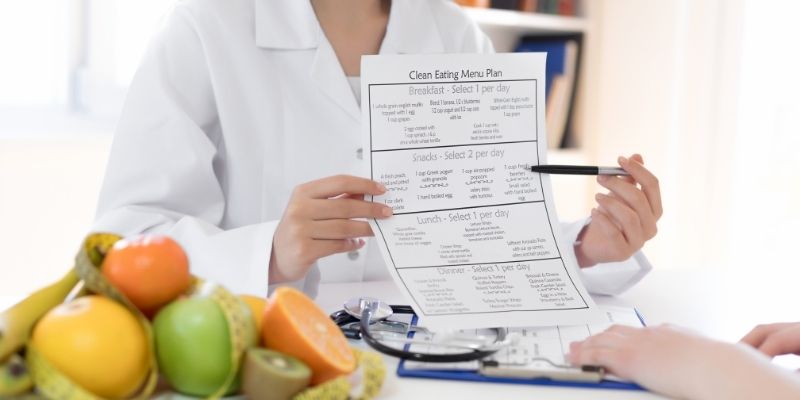
High-protein foods for pregnancy during this stage help maintain maternal energy levels while supporting the final stages of neurological development. Consistency matters more than large single servings. Regular intake throughout the day ensures a steady supply of amino acids.
Monitoring Individual Needs
Although general ranges provide useful guidance, individual protein needs vary based on body size, activity level, and pre-pregnancy weight. A practical approach is to focus on protein distribution across meals. Aiming for 25 to 30 grams of protein per meal, combined with protein-rich snacks, often brings daily intake into the recommended range without complex tracking [2].
Top High-Protein Foods for Brain Health
Protein quality matters as much as quantity. Certain foods provide protein alongside nutrients that directly support brain structure and function.
Eggs: A Choline-Rich Staple
Eggs contain all nine essential amino acids, making them a complete protein source. They are also one of the richest dietary sources of choline, a nutrient essential for memory formation and the integrity of brain cell membranes [6]. One large egg provides approximately 147 milligrams of choline, contributing significantly toward the recommended daily intake of 450 milligrams [6].
Most choline is found in the yolk, so consuming whole eggs is important. Eggs also fit easily into meals and snacks, making them a practical option throughout pregnancy.
Fatty Fish: DHA And Neural Signaling
Fatty fish such as salmon, sardines, and trout supply high-quality protein along with docosahexaenoic acid (DHA). DHA is a key structural component of the brain’s gray matter and plays a direct role in visual and cognitive development [3].
Including two servings of low-mercury fish per week is commonly recommended to support fetal brain development nutrition. These servings provide protein while supplying fats critical for efficient neural signaling.
Greek Yogurt: Iodine And Protein Density
Greek yogurt offers nearly double the protein of regular yogurt, often providing 15 to 20 grams per serving. It is also an important source of iodine, which supports thyroid hormone production. These hormones regulate fetal brain growth and development [3].
Iodine deficiency during pregnancy remains a common but preventable contributor to developmental delays. The probiotics found in yogurt may also support gut health, improving nutrient absorption for both mother and baby.
Lentils And Legumes: Plant-Based Support
Lentils and other legumes provide a reliable plant-based protein source. A half-cup of cooked lentils contains approximately 9 grams of protein along with folate and iron [2]. Iron supports oxygen transport to the developing brain, helping maintain the conditions required for healthy neural growth [3].
These foods also offer flexibility for those limiting animal products while still meeting protein requirements during pregnancy.
Essential Nutrients That Support Protein
Protein works best when paired with other nutrients that help the brain grow.
- Iron: Found in lean red meat, spinach, and fortified cereals. Iron helps prevent anemia and makes sure oxygen gets delivered efficiently to your baby’s developing brain [2]. Without enough iron, both you and your baby may feel fatigued, and brain development can be affected.
- Zinc: Present in pumpkin seeds, beef, and chickpeas. Zinc supports cell division and helps DNA get built correctly in brain tissue, which is essential as neurons multiply and form new connections [3].
- B-vitamins: Particularly B6 and B12. They help turn amino acids from protein into neurotransmitters, the chemical messengers that let brain cells talk to each other [5]. Getting enough B-vitamins supports memory, learning, and emotional development.
Combining protein with these nutrients makes the most of your diet. Including a mix of meats, legumes, leafy greens, and fortified foods can help ensure your baby’s brain gets the building blocks it needs.
Common Myths About Pregnancy Protein
1. You must eat meat at every meal.
Many people think animal protein is the only way to meet pregnancy needs. In reality, dairy, eggs, legumes, nuts, and seeds can easily provide enough protein without relying solely on meat.
2. Protein supplements are always necessary.
Some believe powders or shakes are required. Most experts recommend whole foods first, because they provide vitamins, minerals, and fiber that supplements often lack [1]. 3. More protein is always better.
Extremely high-protein diets can crowd out carbohydrates and healthy fats. Carbs provide energy, which prevents the body from using protein as fuel, so balanced meals are best for steady growth.
4. Plant proteins aren’t “complete.”
Another misconception is that plant-based proteins can’t support fetal development. By combining different plant foods like beans, lentils, grains, and nuts, you can get all essential amino acids needed.
5. You only need protein for physical growth.
Some think protein mainly builds muscle. Protein is also critical for the brain and nervous system, supporting neurotransmitter production and healthy neuron connections.
6. Eating extra protein prevents morning sickness.
While protein can help with satiety, it doesn’t cure nausea or vomiting, which are caused by hormonal changes, not protein deficiency.
7. You can skip protein if you feel full.
Feeling full is common during pregnancy, but skipping protein-rich foods can affect both fetal growth and brain development, so aim for regular intake throughout the day.
Safety Considerations and Practical Tips
Food safety carries added importance during pregnancy. Raw or undercooked meat, fish, and eggs should be avoided to reduce the risk of foodborne illness [2].
Mercury In Fish
Choose low-mercury fish like salmon, shrimp, pollock, and light canned tuna. Limit seafood to 2–3 servings per week. Avoid shark, swordfish, king mackerel, and tilefish, which have higher mercury levels [2].
Liver And Vitamin A Intake
Liver is rich in protein and iron but extremely high in preformed vitamin A. Eat liver no more than once per week to avoid potential harm to the developing fetus [6].
Pasteurization Awareness
Soft cheeses should be confirmed as pasteurized to reduce bacterial risk. Checking labels helps avoid exposure to listeria.
Managing Nausea And Aversions
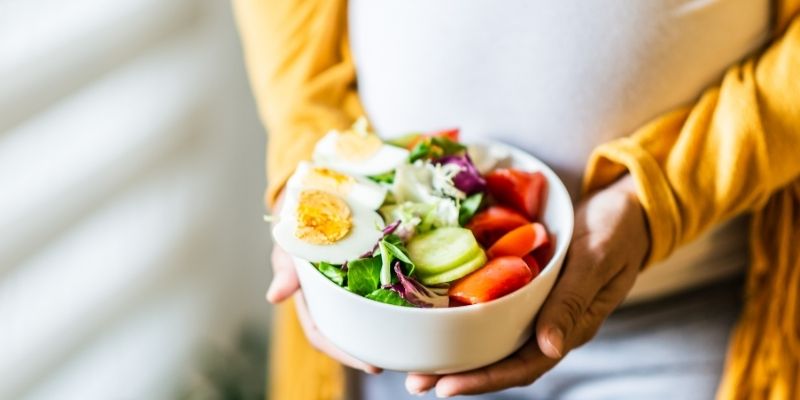
During early pregnancy, food aversions are common. Cold protein options such as Greek yogurt, chilled hard-boiled eggs, or tofu-based smoothies may be easier to tolerate during periods of nausea.
Practical Considerations for Daily Meals
Meeting protein goals does not require complex planning. Thinking in terms of simple combinations can help distribute intake evenly throughout the day.
Pairing whole-grain toast with nut butter combines plant proteins for a more complete amino acid profile. Adding walnuts to oatmeal contributes both texture and DHA [3]. Small adjustments like these improve nutrient density without increasing portion sizes.
Keeping protein-rich snacks accessible supports steady energy levels. Hard-boiled eggs, cheese portions, and roasted chickpeas provide convenient options that help maintain consistent intake between meals. Regular protein availability supports continuous fetal brain development rather than short bursts of supply.
When to Consult a Professional
Most individuals can meet protein needs through diet alone, but some situations benefit from professional guidance. Those following strict vegetarian or vegan diets may need support ensuring adequate vitamin B12 and iron intake [1]. Medical conditions such as gestational diabetes or kidney disorders may also require adjusted protein recommendations.
Prenatal blood tests often assess iron levels and other nutritional markers. If deficiencies appear, healthcare providers may recommend targeted dietary changes or supplements. High-dose protein or iron supplementation should only begin under medical supervision.
Supporting Long-Term Cognitive Health
The groundwork for learning, memory, and emotional regulation is established before birth. Protein requirements during pregnancy shift alongside fetal growth, and meeting these needs supports the development of strong neural connections [4].
Choosing nutrient-dense protein sources improves placental health and supports efficient fetal tissue formation. Thoughtful dietary decisions reduce uncertainty during pregnancy and provide reassurance that developmental needs are being met.
References
[1] NIH - Protein and Amino Acids in Pregnancy
[2] Mayo Clinic - Pregnancy Diet: Essential Nutrients
[3] Dr. Avhad Hospital - Top 10 Foods for Baby's Brain Development
[4] American Pregnancy Association - Pregnancy Nutrition
[5] FamilyNes - How Protein Supports Brain Development
[6] PregnancyPlate - Choline: The "Forgotten" Nutrient for Brain Development
[7] PMC/NIH - Maternal Nutrition during Pregnancy and Offspring Brain Development

Kids
That Messy Room? ADHD Is Running The Show Behind It
March 19, 2026

Kids
7 Daily Routines That Actually Calm Anxious Children
February 17, 2026
Baby
Healthy First Foods for Babies Starting Solids
October 9, 2025

Family lifes
Kid-Friendly Smart Home - Safe, Functional and Comfortable
September 27, 2025