12 Proven Ways to Reduce Anxiety During Pregnancy
Pregnancy|January 16, 2026Top 10 Educational Toys for Kids: Learning Through Play
Kids|January 10, 2026Newborn Skin, Breathing, and Sleep: 8 Things Every New Parent Should Know
Baby|October 14, 2025What Is Parallel Parenting – A Guide for Families
Family lifes|October 6, 2025Safe Skincare And Beauty Products During Pregnancy
Pregnancy|October 5, 2025Protect Your Kids Online: Must-Have Parental Control Apps
Family lifes|September 28, 2025The Truth About Morning Sickness and How to Actually Survive It
Morning sickness is one of the most common and least honestly discussed parts of early pregnancy. It is not always in the morning. It is not always mild. And "eat some crackers" is genuinely unhelpful advice for most women.
Here is what is actually going on, and more importantly, what works.
It Is Not Just Nausea and It Is Not Just Morning
The name is almost offensively misleading. Morning sickness can strike at noon, at 9 pm, or as a relentless all-day undertow of nausea that makes eating, working, and functioning feel like enormous tasks. Around 70 to 80 percent of pregnant women experience nausea and vomiting during pregnancy, according to current maternal health data.
For most, it peaks between weeks 8 and 10 and resolves by week 14. For others, it lingers well into the second trimester. A smaller group, roughly 1 to 3 percent, develops a severe form called hyperemesis gravidarum that requires medical treatment.
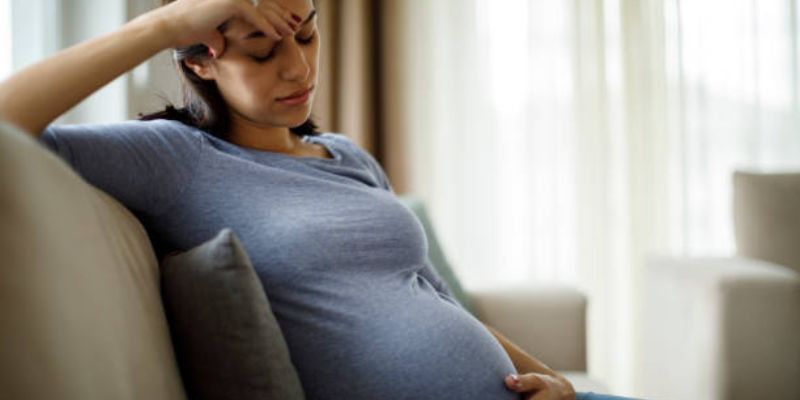
Why It Actually Happens
The primary driver is the rapid rise in human chorionic gonadotropin, the hormone produced after implantation. HCG levels double every 48 to 72 hours in early pregnancy, and the timeline of that surge aligns almost exactly with when morning sickness symptoms [1] tend to peak.
Estrogen also rises sharply, and both hormones appear to affect the chemoreceptor trigger zone in the brain, which regulates nausea. Women pregnant with multiples often have worse symptoms because HCG levels are higher. That part, at least, makes biological sense.
The Cracker Myth and What to Eat Instead
Plain crackers before getting out of bed became standard advice decades ago and it has stuck around longer than it deserves. For some women, a small amount of bland carbohydrates before rising does help settle the stomach. But if crackers are not working for you, that is not a personal failure.
The more effective strategy is eating small amounts every 90 minutes to two hours, before hunger sets in. An empty stomach dramatically worsens nausea during pregnancy. Cold foods tend to be better tolerated than hot ones because they release fewer odor compounds. Many women find that protein-heavy snacks like hard-boiled eggs, cheese, or nut butter stabilize blood sugar in a way that plain starch does not.
Ginger: What the Research Actually Says
Ginger is the most studied natural remedy for morning sickness, and it does have real evidence behind it. Multiple clinical trials have found that ginger in doses of 1,000 to 1,500 mg per day reduces nausea frequency and severity compared to placebo.
The form matters. Ginger capsules, like Nature's Way Ginger Root or Solgar Ginger Root Extract, deliver consistent doses. Ginger candies and teas are less reliable because the ginger content varies wildly by brand. Fresh ginger steeped in hot water for 10 minutes is both effective and cheap. Ginger ale with real ginger, not artificial flavoring, works reasonably well in a pinch.
Vitamin B6 Is Underused and Genuinely Effective
Vitamin B6, specifically pyridoxine, is one of the first-line recommendations from most obstetric guidelines for treating morning sickness. A standard starting dose is 10 to 25 mg taken three times daily. It is safe, widely available, and noticeably effective for many women within a few days.
It is often combined with doxylamine, an antihistamine, to form the combination that was once sold as Bendectin in the United States. That combination was pulled from the market in the 1980s under pressure that was later determined to be scientifically unfounded. It returned as Diclegis and now as Bonjesta. Both are FDA-approved and among the most evidence-backed treatments for nausea during pregnancy [2] available.
Acupressure Is Worth Trying and Costs Almost Nothing
Sea-Band wristbands, which apply pressure to the P6 point on the inner wrist, are popular enough that most pharmacies carry them. The evidence is mixed but leans modestly positive, and given that they are safe, drug-free, and cost around $10 to $14 a pair, they are worth trying.
Some women swear by them through the entire first trimester. Others find them useless after day three. The realistic expectation is edge reduction, not elimination. Wearing them before nausea peaks, such as before getting out of bed or before a known trigger window, seems to produce better results than reactive use.
Smell Triggers Are Real and Managing Them Is a Legitimate Strategy
Olfactory hypersensitivity is extremely common in early pregnancy, and certain smells can trigger nausea within seconds. Coffee, meat cooking, perfume, and cleaning products top most women's lists. This is not psychosomatic. Research suggests estrogen amplifies scent sensitivity, making the olfactory system significantly more reactive during the first trimester.
Practical management includes keeping windows open, switching to fragrance-free products temporarily, asking partners to change their grooming routines, and keeping a small container of a neutral scent like lemon or peppermint nearby to use as an olfactory reset. It sounds strange but many women report it helps.
Hydration When You Cannot Keep Anything Down
Staying hydrated when everything triggers nausea requires a different approach than simply drinking more water. Many women find that cold water with ice or water infused with cucumber or lemon is easier to get down than plain water at room temperature.
Coconut water replenishes electrolytes and is gentler on the stomach than sports drinks. Popsicles made from fruit juice or electrolyte solutions count toward fluid intake and are often better tolerated than liquids. If you are vomiting multiple times a day and cannot keep fluids down for 24 hours, that is a medical situation, not a willpower issue.
Hyperemesis Gravidarum Is Not Morning Sickness
Hyperemesis gravidarum is a clinical condition characterized by severe, persistent vomiting, weight loss of more than 5 percent of pre-pregnancy body weight, and dehydration requiring IV fluids or hospitalization. It affects roughly 1 to 3 percent of pregnancies and is significantly underdiagnosed because women are often told they are just experiencing bad morning sickness.
If you are losing weight, cannot keep any fluids down for more than 24 hours, feel dizzy or faint, or have dark urine, see your provider immediately. HG often requires prescription antiemetics, IV hydration, and sometimes nutritional support. It is a medical condition that deserves proper treatment, not dismissal.

When Medications Are the Right Answer
There is a strange cultural pressure on pregnant women to avoid all medication and push through discomfort. That pressure has real consequences. Severe untreated nausea leads to dehydration, nutritional deficiency, and significant mental health strain.
Several medications are well-established as safe in pregnancy. Beyond B6 and doxylamine, ondansetron (Zofran) is widely prescribed for moderate to severe cases. Promethazine and metoclopramide are also used. These are not last resorts. They are legitimate tools, and talking to your OB or midwife [3] about medication options early rather than waiting until you are depleted is a reasonable and responsible choice.
Getting Through the Days That Feel Impossible
Some days with morning sickness are genuinely terrible. The kind where you are lying on the bathroom floor at 7 am, trying to make it to a 9 am meeting, and wondering how anyone does this. That experience is real, and it is far more common than the cheerful pregnancy content online would suggest.
On those days, survival mode is valid. Eating whatever you can keep down is better than eating nothing. Resting is productive. Telling your employer you are dealing with a medical issue without disclosing the pregnancy is legally protected in most countries. You do not have to perform wellness when your body is working this hard.
What Actually Gets You Through
Morning sickness is survivable, even when it does not feel that way at 6 weeks. The combination of small, frequent meals, consistent B6, managing smell triggers, staying ahead of dehydration, and involving your medical provider early rather than late gives you the best chance of making it through this phase with your health and sanity reasonably intact.
If your symptoms are severe, do not wait to ask for help. Push for real answers, real treatment, and real support. This part of pregnancy is hard enough without also fighting to be taken seriously.
References
[1] Morning Sickness Symptoms and Treatment – https://www.acog.org
[2] FDA-Approved Treatments for Pregnancy Nausea – https://www.fda.gov
[3] Pregnancy Health and Midwife Guidance – https://www.marchofdimes.org

Family lifes
Essential Household Items That Are Secretly Toxic To Your Kitten
February 11, 2026

Pregnancy
How to Have a Healthy Pregnancy With a Busy Lifestyle Without Burning Out
February 6, 2026

Baby
Comparing the Top 5 Organic Baby Formulas for Sensitive Stomachs
January 1, 2026

Baby
How To Choose A Convertible Car Seat That Fits In Small Vehicles
January 1, 2026