6 Simple Ways to Boost Your Child's Attention Span
Kids|January 15, 2026How to Get Your Baby to Sleep Through the Night: Expert-Backed Tips
Baby|October 20, 2025Tips For Managing Screen Time For Kids
Kids|October 17, 2025Best Online Coding Classes for Kids: Fun, Interactive, and Beginner-Friendly
Kids|October 11, 2025Healthy First Foods for Babies Starting Solids
Baby|October 9, 2025Safe Baby Sleeping Positions to Reduce Risk of SIDS
Baby|October 4, 20257 Daily Routines That Actually Calm Anxious Children
Childhood anxiety affects nearly 1 in 8 kids today. Parents often feel helpless watching their children struggle with worry, but the solution isn't always therapy or medication.
Structured daily routines provide predictability, which works to directly decrease cortisol levels in children with anxiety. When children are aware of what is coming next, their nervous system becomes calm. This article will unpack seven research-supported routines to help decrease symptoms of child anxiety.
Consistent Sleep Schedule
Sleep deprivation amplifies anxiety in children more than most parents realize. Kids who sleep irregular hours show higher anxiety scores than those with fixed bedtimes. The brain needs consistent sleep patterns to regulate stress hormones effectively.
Set the same bedtime and wake time every single day, including weekends. This consistency trains the body's circadian rhythm. Most school-age children need 9 to 11 hours of sleep, while teenagers require 8 to 10 hours.
Creating an Effective Wind-Down Period
Start winding down 60 minutes before the target bedtime. This transition period signals the brain that sleep approaches. Dim the lights throughout your home during this window. Bright lights suppress melatonin production.
Cut screens at least 90 minutes before sleep. Blue light from devices disrupts sleep architecture and increases next-day anxiety. Replace screen time with calming activities like reading, drawing, or quiet conversation.
Keep the bedroom cool, dark, and quiet. Temperature matters more than most realize. The ideal sleep temperature for children ranges between 65 and 70 degrees Fahrenheit. Blackout curtains block disruptive light that fragments sleep cycles.

Structured Morning Routine
Chaotic mornings set an anxious tone for the entire day. Rushing creates stress hormones that linger for hours. A predictable morning sequence gives anxious children the control they desperately need.
Design a specific morning order that never changes. The exact sequence matters less than the consistency. One effective pattern: wake up, use bathroom, get dressed, eat breakfast, brush teeth, pack bag, leave house.
Visual Supports for Morning Success
Create a visual checklist for children under age 10. Use pictures alongside words. Laminate the chart and hang it where your child gets ready. Visual reminders reduce nagging and increase independence.
Build buffer time into the morning schedule. If school starts at 8:00 and the commute takes 15 minutes, don't plan to leave at 7:45. Leave at 7:30 instead. This cushion prevents the panic that comes from running late.
Prepare everything possible the night before. Lay out clothes, pack bags, and preset breakfast items. Decision fatigue in the morning overwhelms anxious kids. Eliminating morning choices conserves mental energy for the school day ahead.
Morning predictability teaches anxious children that they can handle what comes next. This confidence transfers to other areas of life. Parents report fewer morning battles within the first week of implementing a structured routine.
Regular Physical Activity
Exercise ranks among the most powerful anxiety reducers available to children. Movement metabolizes stress hormones that build up in anxious bodies. Kids who exercise daily show significantly lower anxiety than sedentary peers.
Aim for 60 minutes of moderate physical activity every day. This doesn't require organized sports or expensive equipment. Playing at the playground, riding bikes, or dancing in the living room all count. The key is consistent daily movement.
Timing Physical Activity for Maximum Benefit
Morning exercise works best for many anxious children. Physical activity early in the day regulates mood for the next 8 to 12 hours. Even 20 minutes of movement before school reduces classroom anxiety and improves focus.
After-school activity provides another strategic window. Many anxious kids accumulate stress throughout the school day. Physical release immediately after school prevents evening meltdowns. This pattern works particularly well for children who struggle with homework anxiety.
Aerobic exercise produces the strongest anti-anxiety effects. Activities that increase heart rate and breathing deliver the most benefit. Running, jumping, swimming, and active play all qualify. Encourage activities your child actually enjoys rather than forcing disliked sports.
Parents often see dramatic anxiety reduction within days of starting daily exercise. The effects compound over time. Children develop better stress tolerance and improved emotional regulation that extends far beyond the exercise period itself.
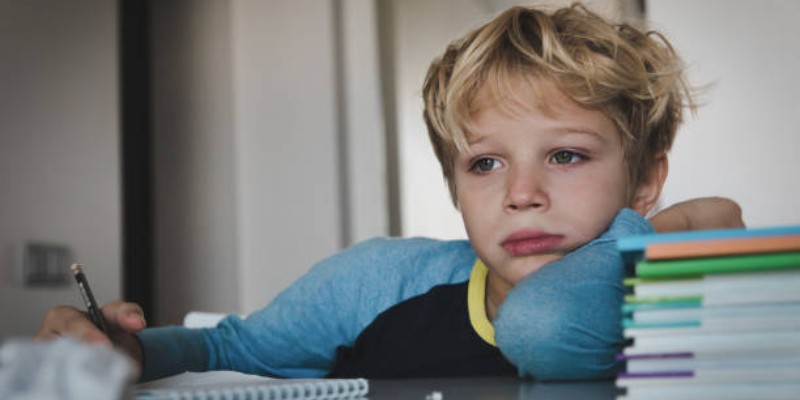
Designated Worry Time
Anxious children often ruminate throughout the day, letting worries interrupt homework, play, and meals. Designated worry time contains anxiety to a specific window. This technique sounds counterintuitive but works remarkably well.
Set aside 10 to 15 minutes each day for worrying. Choose a time that isn't bedtime. Many families find after-school works best. During this window, your child writes or talks about everything causing anxiety.
Implementing Worry Time Effectively
Explain that worries appearing outside the designated time get postponed. When your child starts worrying during dinner, gently remind them to save it for worry time. This teaches the brain that worries don't require immediate attention.
Use a dedicated worry journal or box. Some children prefer writing concerns on paper and placing them in a container. Others talk through worries with a parent. The format matters less than the consistency of timing.
End worry time with a calming transition activity. Take a short walk, do breathing exercises, or read something enjoyable together. Don't let worry time bleed into the rest of the evening. The hard cutoff teaches containment.
Research from Harvard Medical School shows scheduled worry time reduces overall daily anxiety in children. Worries become less intrusive when they have a designated outlet. Kids gain confidence knowing they can manage anxious thoughts rather than being controlled by them.
Predictable Meal Times
Blood sugar fluctuations directly impact anxiety levels in children. Irregular eating patterns create physiological stress that mimics and amplifies psychological anxiety. Consistent meal timing stabilizes both blood sugar and mood.
Serve meals and snacks at the same times every day. This regularity helps the body anticipate and prepare for food intake. Digestive hormones that influence mood begin releasing before meals even start when timing stays consistent.
Nutrition Choices That Support Calm
Prioritize protein at every meal and snack. Protein slows glucose absorption and prevents blood sugar crashes that trigger anxiety symptoms. Greek yogurt, nuts, cheese, eggs, and lean meats all provide sustained energy without mood spikes.
Include complex carbohydrates rather than simple sugars. Whole grains, vegetables, and fruits release energy gradually. Simple sugars from candy, juice, and processed foods create rapid spikes followed by crashes that worsen anxiety.
Hydration affects anxiety more than most realize. Even mild dehydration increases cortisol and anxiety symptoms. Keep water accessible throughout the day. Many children mistake thirst for hunger or anxiety. Establishing regular water breaks between meals helps maintain steady hydration.
Avoid using food as emotional comfort for anxious children. This creates problematic associations between anxiety and eating. Stick to scheduled meals and snacks regardless of emotional state. Consistent timing provides the regulation anxious kids need.
Daily Connection Time
Anxious children need predictable one-on-one attention from parents. This dedicated connection time builds the secure attachment that reduces anxiety. Quality matters more than quantity, but consistency matters most of all.
Schedule 15 to 30 minutes of undivided attention with your child every single day. Put away phones, close laptops, and ignore other distractions. This time belongs entirely to your child.

Making Connection Time Count
1. Let your child choose the activity during this window. The activity itself matters less than the focused presence. Some children want to play games, others prefer talking, and some just want you nearby while they create art.
2. Avoid teaching, correcting, or directing during connection time. This isn't the moment for instruction about behavior or academics. Simply be present and follow your child's lead. This acceptance reduces anxiety about parental approval.
3. Protect this time fiercely from interruptions. Don't answer calls or texts. Don't let siblings interrupt unless absolutely necessary. This boundary communicates to your anxious child that they genuinely matter and deserve your complete attention.
4. Children with daily connection time show lower separation anxiety and improved emotional security. According to child development experts at the Mayo Clinic, consistent parent-child connection time ranks among the top protective factors against childhood anxiety disorders. The routine creates a safe base from which anxious children can face daily challenges.
When Routines Aren't Enough
Healthy routines dramatically reduce anxiety for most children. Some kids need additional support beyond lifestyle changes. Persistent anxiety that interferes with school, friendships, or family life requires professional evaluation.
Watch for anxiety that worsens despite consistent routines. If your child's symptoms intensify or new fears emerge, consult a pediatrician or child psychologist. According to mental health resources from the National Institutes of Health, early intervention prevents anxiety disorders from becoming entrenched patterns.
Physical symptoms like frequent stomachaches, headaches, or difficulty breathing warrant medical assessment. Anxiety sometimes masks underlying physical conditions. Rule out medical causes before attributing everything to anxiety.
Routines provide the foundation for anxiety management, but don't replace professional treatment when needed. Therapy techniques like cognitive behavioral therapy work more effectively when practiced within consistent daily routines. Medication, when appropriate, produces better results alongside healthy lifestyle patterns.
Most children respond well to routine-based anxiety reduction. Parents see meaningful improvements within the first month of implementation. These seven routines create the predictability and security that help anxious children thrive.
Sources
Harvard Medical School
Mayo Clinic
National Institutes of Health

Kids
7 Best Mattress for Kids Who Toss, Sweat, and Grow Fast
January 10, 2026

Kids
Top 10 Educational Toys for Kids: Learning Through Play
January 10, 2026

Pregnancy
How Stress Can Affect Your Body While Pregnant: 12 Signs to Watch
October 22, 2025

Kids
Tips For Managing Screen Time For Kids
October 17, 2025