10-Minute Nightly Routine To Restore Your Baby’s Natural Skin Barrier
Baby|March 6, 2026Why Your Baby Won’t Stop Crying and What Each Cry Really Means
Baby|February 21, 2026Safe Exercises That Support a Healthy Pregnancy: Your Complete Guide
Pregnancy|December 28, 2025Introduce The Pacifier - A Practical Guide for New Parents
Kids|October 29, 2025Best Online Coding Classes for Kids: Fun, Interactive, and Beginner-Friendly
Kids|October 11, 20255 Daily Routines That Make Caring for a Newborn Easier
Baby|October 1, 202510 Best Tips for a Healthy and Happy Pregnancy
I still remember the moment I found out I was pregnant, it was pure excitement! Along with the joy came a whirlwind of emotions and a flood of questions that kept running through my mind.
What are the early symptoms of pregnancy? What pregnancy tips should I follow? What to expect when you are expecting? These are some of the many questions that every mom-to-be wonders.
How to have a healthy pregnancy and give their little one the best start in life. That is why I have put together this guide to a healthy pregnancy with the 10 best tips for a healthy and happy pregnancy.
Pregnancy Care is Very Important
Research shows that 70-80% of moms experience common maternity symptoms like nausea, fatigue, or swelling during pregnancy. With proper guidance most of these are manageable.
When started early and followed consistently antenatal care reduces pregnancy complications by up to 40%.
But we know that every pregnancy is unique. These tips for healthy pregnancy can guide you on how to be healthy in pregnancy. They are not a substitute for medical advice.
You should always consult your doctor, midwife, or healthcare provider. They can offer personalized guidance about what the pregnancy symptoms mean or how to respond to changes in your body.

1. Check Up and Regular Prenatal Care
During the first trimester, spotting, nausea, or fatigue can make you worry about whether your symptoms are normal. Prenatal checkups help monitor your baby’s growth and development, as well as keep a watch on your blood pressure and overall well-being.
Tips For A Healthy Pregnancy:
Schedule your first visit to your doctor or healthcare provider as soon as you learn you are pregnant.
Keep up with recommended ultrasounds, blood work, and screenings. For example, first trimester screenings often include blood tests for hormone levels, nuchal translucency ultrasound, and blood type/Rh factor testing.
Track your questions in advance, such as “how to maintain a healthy pregnancy” or “what to expect in the coming weeks,” so you feel prepared.
Record key health metrics like weight gain, blood pressure, and fetal movements to discuss with your provider.
2. Take Nutritious Foods
Nutrition is one of the most effective ways to support a healthy pregnancy, but morning sickness, food aversions, and cravings can make it challenging to get the vitamins and minerals your baby needs.
Tips for Taking Nutritious Foody:
Eat small, frequent meals, around 5-6 per day, to manage nausea and maintain energy levels.
Include key nutrients:
Folic acid: 600 mcg/day to support neural tube development
Calcium: 1,000 mg/day for bone health
Iron: 27 mg/day to prevent anemia
Protein: 70-100 g/day depending on weight and trimester
Fiber: 25-30 g/day for digestion
Keep easy, nutrient-dense snacks on hand: nuts, Greek yogurt, whole-grain crackers, or cut fruits and vegetables.
Avoid raw fish, unpasteurized soft cheeses, undercooked meat, and high-mercury seafood.
Hydrate alongside meals, as fluids help digestion and nutrient absorption.
3. Stay Hydrated
Hydration improves circulation, supports digestion, and helps reduce swelling, which are all vital during pregnancy. Adequate fluid intake also helps maintain healthy amniotic fluid levels and can reduce the risk of urinary tract infections.
Experts recommend aiming for about 8 to 10 cups (64 to 80 ounces) of water per day, with some pregnant women needing up to 10 to 12 cups depending on activity level and climate.
Many moms forget to drink enough water, which can lead to dizziness, headaches, or constipation.
Tips to Remain Hydrated During Pregnancy:
Carry a reusable water bottle with you every day so water is easy to access.
If plain water feels boring, add lemon, cucumber, or a splash of 100 percent fruit juice for flavor without added sugar.
A simple way to check hydration is to watch your urine color. Pale yellow generally means you are well hydrated; dark yellow may be a sign you need more fluids.
In hot weather, during activity, or if you are vomiting due to morning sickness, increase your water intake.
Hydration is simple but essential if you are wondering how to stay healthy during pregnancy.

4. Exercise With Precaution
Exercise is great for both the body and mind. Regular movement can boost your mood, improve circulation, reduce stress, and ease back pain. However, pregnancy calls for caution. Too intense or high-impact workouts should be avoided, especially as your body changes.
Fatigue, fear of hurting the baby, and a growing bump can make exercise feel tricky, but staying active safely can benefit you and your baby.
Exercise Tips:
Aim for about 150 minutes of moderate activity per week, such as brisk walking, prenatal yoga, or swimming. That breaks down to about 20 to 30 minutes most days of the week.
Gentle stretching can help reduce muscle tightness and cramps.
Avoid workouts with a high risk of falling, contact sports, heavy weightlifting, or activities where you might lose balance.
Always listen to your body. If you feel short of breath, dizzy, or experience pain, stop and rest.
Staying active with safe movement is an important part of maintaining a healthy pregnancy and supporting your overall well-being.
5. Get Plenty of Rest
Rest is vital for energy, healing, and supporting your growing baby. Adequate sleep helps your body recover from daily activity, supports immune function, and reduces stress hormones. Most pregnant women need about 7 to 9 hours of sleep per night, and short naps of 20 to 30 minutes can help make up for lost sleep during the day.
Frequent bathroom trips, heartburn, and an expanding baby bump often disrupt sleep, especially in the second and third trimesters.
Tips for Sleeping Better During Pregnancy:
Sleep on your left side to improve circulation to your baby and reduce swelling in your legs and feet.
Use pillows to support your back, hips, and belly. A wedge pillow or stacked regular pillows can help maintain a comfortable position.
Keep naps short and early in the day to avoid interfering with nighttime sleep.
Maintain a consistent sleep schedule and avoid screens right before bed to improve sleep quality.
If heartburn or congestion interrupts sleep, try elevating your head slightly with an extra pillow.
Quality rest is a core part of staying strong and healthy throughout pregnancy.
6. Manage Stress and Emotions
Emotional health is just as important as physical health during pregnancy. High stress can contribute to fatigue, sleep problems, and even elevated blood pressure.
Worries about labor, finances, or simply not knowing what to expect can create anxiety for many expectant moms.
Tips for Stress Management:
Practice meditation, deep breathing, or progressive muscle relaxation for at least 10 minutes per day.
Journaling your feelings, milestones, and questions can help you track changes and reduce mental clutter.
Take a prenatal class to learn breathing techniques, labor positions, and newborn care. Knowing what to expect can reduce fear and increase confidence.
Stay connected with supportive friends, family, or online communities for encouragement and shared experiences.

7. Be Informed, Trimester by Trimester
For a new mom to be, you should learn what happens in each stage. This will make you more confident.
First trimester weeks: Manage nausea and fatigue with rest and healthy snacks. Track your weight gain, aiming for 1-4 pounds total in this trimester if you had a healthy BMI before pregnancy. Attend your first prenatal visit and schedule early blood tests and an ultrasound.
Second trimester: Your baby bump grows; focus on exercise and nursery prep. Try 150 minutes of moderate activity per week, such as walking or prenatal yoga. Monitor weekly weight gain, about 0.5-1 pound per week, and discuss any unusual swelling with your provider.
Third trimester: Learn labor positions and prepare your hospital bag. Track fetal movements daily and attend regular prenatal checkups to monitor blood pressure, gestational diabetes, and overall well-being.
8. Avoid Harmful Substances
At all costs, consumption of alcohol, caffeine, and other unnecessary drugs and medicines should be avoided. You should not take in toxin substances. This is one of the top tips for healthy pregnancy.
Tips to Avoid Hazardous Substances During Pregnancy:
Cut out smoking, alcohol, and recreational drugs completely. Even small amounts of alcohol can increase the risk of birth defects and low birth weight.
Limit caffeine to 200 mg a day, about one 12-ounce cup of coffee.
Avoid exposure to harsh cleaning chemicals, paint fumes, or solvents; use gloves and ensure proper ventilation.
Always check with your healthcare provider before taking any over-the-counter or prescription medication, including herbal supplements.
9. Get Vaccinated
During pregnancy, your immune system naturally lowers to protect your growing baby. This makes you more vulnerable to infections. Certain vaccines can protect both you and your little one. For example, the flu vaccine and Tdap vaccine (tetanus, diphtheria, and pertussis) are recommended.
The flu vaccine can be taken any time during pregnancy, and Tdap is usually given between 27 and 36 weeks to maximize antibodies for your baby.
Tips on Getting Vaccinated in Pregnancy:
Get information from your doctor or midwife about which vaccines are safe and recommended for your stage of pregnancy.
Keep a record of your previous vaccinations, as some vaccines are given as boosters and timing matters.
Stop relying on general internet searches. Vaccine recommendations depend on your health conditions, trimester, and local guidelines.
Ask your provider if you need additional vaccines, such as COVID-19 or Hepatitis B, based on your exposure risk.
Consider scheduling vaccinations alongside regular prenatal visits to track reactions and monitor your health.
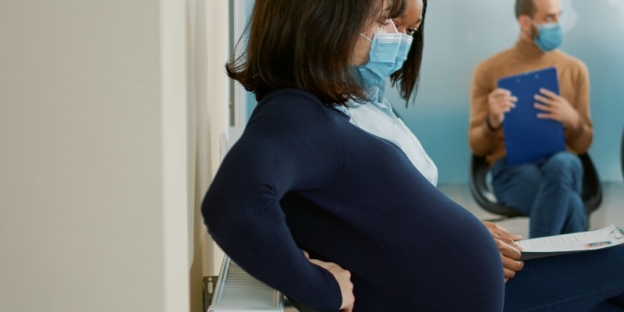
10. Get Support at Work in Later Trimesters
Your baby bump grows over time. Sometimes even simple tasks can feel difficult and tiring. Many moms-to-be push themselves at work, wanting to keep up. This can lead to extra fatigue, back pain, and stress.
Tips to Get Work Support During Pregnancy:
Connect with your manager or HR and request adjustments in workload if needed. Consider lightening heavy lifting or long periods of standing.
Where possible, opt for flexible hours, remote work days, or more frequent breaks to rest and stretch.
Use ergonomic chairs, supportive cushions, or footrests to ease discomfort at your desk.
Keep water nearby and take short walks during the day to improve circulation and prevent swelling.
Discuss a plan for your last weeks before maternity leave so tasks can be gradually delegated and stress reduced.
Follow the Best Tips on Pregnancy and Stay Healthy
Pregnancy is a happy journey. But it is not always smooth. There can be morning sickness, swollen ankles, and endless questions about “how to remain healthy during pregnancy”. But by following these 10 best tips for a healthy and happy pregnancy, you can be confident and supported.
Remember: every mom’s experience is different. By making smart choices, you will feel prepared, supported, and ready for the big moment of giving birth for a healthy baby and finally getting to have a baby in your arms.

Family lifes
How to Get Your Child Off Video Games Without Daily Arguments
February 28, 2026

Baby
Why Your Baby Won’t Stop Crying and What Each Cry Really Means
February 21, 2026

Pregnancy
How to Have a Healthy Pregnancy With a Busy Lifestyle Without Burning Out
February 6, 2026

Pregnancy
Safe Exercises That Support a Healthy Pregnancy: Your Complete Guide
December 28, 2025