High-Protein Foods to Support Your Baby's Brain Development
Pregnancy|January 6, 2026How Stress Can Affect Your Body While Pregnant: 12 Signs to Watch
Pregnancy|October 22, 2025How to Get Your Baby to Sleep Through the Night: Expert-Backed Tips
Baby|October 20, 2025Healing Broken Relationships: How To Rebuild Trust After Family Conflicts
Family lifes|October 14, 2025What Is Parallel Parenting – A Guide for Families
Family lifes|October 6, 2025Safe Skincare And Beauty Products During Pregnancy
Pregnancy|October 5, 2025How to Sleep Comfortably During Pregnancy When Nothing Seems to Work
Pregnancy sleep is its own special kind of exhausting. You are tired enough to fall asleep standing up, but the moment you lie down, something aches, kicks, or burns. It is one of the more cruel ironies of the first and third trimesters.
The strategies below are specific, practical, and honest about what works and what is mostly wishful thinking.
Start With Your Sleep Position and Get It Right Early
Sleeping on your left side is the most clinically supported position during pregnancy, particularly from the second trimester onward. It improves blood flow to the uterus, kidneys, and fetus by reducing pressure on the inferior vena cava, the large vein that carries blood back to your heart.
Sleeping on your back during pregnancy [1] after 20 weeks is associated with reduced fetal oxygen levels in some studies, though researchers clarify that briefly waking on your back is not an emergency. The goal is to start sleeping on your side, not panicking if you roll over.
Knowing the correct position and staying in it are two completely different problems. Most pregnant women find that they naturally roll to their backs during deep sleep, especially in the third trimester when the belly makes any movement feel like a production.
The frustrating part is that knowing the right position does not make it easier to stay there. In the third trimester, even small shifts in sleep position can wake you up because your body feels heavier and less stable.
Many women also notice a pattern where they fall asleep on their side but wake up on their back without realizing it happened. This is not something you can fully control since it happens during deeper stages of sleep.
The most effective solution is physical barriers. Placing a firm pillow or rolled blanket behind your back prevents rolling without requiring conscious effort. Some women use a wedge pillow specifically behind the lower back. This is cheaper than a full body pillow and works well for back-rollers specifically.

Invest in a Pregnancy Pillow Before You Think You Need One
Most women wait until the third trimester to get a pregnancy pillow, which is about 10 weeks too late. The Leachco Snoogle, which retails around $60 to $70, is one of the most consistently recommended options, and for good reason. It supports the bump, keeps the hips aligned, and props the upper body slightly to reduce acid reflux.
The Boppy Total Body Pillow, around $80, is slightly firmer and works better for women who run warm because it has less dense fill. Both are significantly more effective than stacking regular pillows, which shift throughout the night and require constant readjustment.
The difference between using a pregnancy pillow and not using one is often more noticeable than expected. A lot of the night disruption comes from repeatedly adjusting pillows, especially when your hips or shoulders start to feel uneven. Once that constant micro-adjusting stops, sleep tends to feel more continuous even if discomfort is still present.
That said, not everybody responds the same way. Some women find full body pillows too warm or restrictive, particularly in later pregnancy when temperature sensitivity increases.
Address Heartburn Before It Wrecks Your Nights
Heartburn is one of the top reasons pregnant women wake repeatedly between 11 pm and 3 am. Progesterone relaxes the lower esophageal sphincter, which normally keeps stomach acid where it belongs. Add a growing uterus pushing up against the stomach, and nighttime acid reflux becomes nearly constant in the third trimester.
Stop eating at least two to three hours before bed. Sleep with your upper body elevated using a wedge pillow or by raising the head of the bed on blocks by 6 to 8 inches. Lying completely flat with active heartburn is genuinely counterproductive, and the elevation makes a measurable difference.
What makes heartburn worse at night is the timing. You are finally relaxed, trying to fall asleep, and then the burning starts. That contrast is often what wakes people up repeatedly, rather than the symptom itself.
Some people also notice that even small things, like drinking water too close to bedtime or having a light snack, can trigger symptoms again. Timing becomes more important than most expect.
Manage Frequent Night Urination Without Giving Up on Sleep
Waking two to four times per night to urinate is normal, particularly in the first and third trimesters. In early pregnancy, rising HCG levels increase kidney filtration. In late pregnancy, the baby's head pressing on the bladder creates almost constant urgency.
The practical fix is front-loading fluid intake. Drink the majority of your daily water before 6 pm and taper off significantly in the two hours before bed. Keep a nightlight in the bathroom path so you do not fully wake your brain with bright overhead lights. Getting back to sleep quickly depends heavily on how stimulated your nervous system gets during those trips.
The disruption often comes not from the bathroom trip itself but from how awake your brain becomes during it. If the lights are too bright or you start checking your phone, your body can shift into full alert mode, which makes falling back asleep harder than the original wake-up.
Restless Leg Syndrome Is More Common in Pregnancy Than Most People Realize
Restless leg syndrome affects an estimated 26 percent of pregnant women, according to current research, making it one of the most underreported sleep disruptors of the third trimester. The crawling, tingling, irresistible urge to move the legs typically worsens at night and makes falling asleep feel close to impossible.
Iron deficiency is strongly linked to pregnancy-related RLS. Restless leg syndrome during pregnancy [2] often improves with iron supplementation when levels are low, which is why a blood panel is worth requesting if this is affecting your sleep. Magnesium glycinate at 200 to 400 mg before bed also helps many women and is safe during pregnancy.
Many describe it less as pain and more as a pressure that builds until movement becomes the only relief. Staying still feels unnatural, which is why even small changes like cooling the legs or shifting position can bring temporary relief.
Use Magnesium Strategically, Not Just as a General Supplement
Magnesium is having a well-deserved moment in prenatal care conversations, and the sleep benefits are real. Magnesium glycinate is better absorbed and gentler on the stomach than magnesium oxide, which is the cheaper form found in many generic supplements.
Beyond RLS, magnesium supports muscle relaxation, reduces nighttime leg cramps, and has a mild calming effect on the nervous system. A dose of 200 to 350 mg taken 30 to 60 minutes before bed is what most practitioners recommend. It is not a sleeping pill, but the difference it makes on leg cramps and general tension is noticeable within a few nights.
Create a Wind-Down Routine That Your Body Actually Learns to Recognize
The nervous system responds to patterns. A consistent pre-sleep routine signals the body to begin melatonin production and lower core temperature, both of which support sleep onset. This sounds basic, but the specifics matter more than people realize.
A warm shower or bath 60 to 90 minutes before bed raises body temperature temporarily, and the subsequent drop as your body cools mimics the natural temperature decrease that triggers sleep. Keep the bedroom cool, ideally between 65 and 68 degrees Fahrenheit. Pregnancy already raises core body temperature slightly, so a cool room becomes more important, not less.
The challenge is consistency. One late night of scrolling or skipping the routine can disrupt the pattern, and the body may stop responding to the usual cues for sleep.
Reduce Screen Exposure in the Hour Before Bed
Blue light from phones and tablets suppresses melatonin production by up to 50 percent, according to sleep research, which is a significant problem when pregnancy already disrupts your sleep architecture. Most pregnant women are on their phones reading about pregnancy, which is deeply ironic.
Switch to blue light filtering glasses after 8 pm or use your device's night mode. Better still, replace the last 30 minutes of phone time with something that does not involve a screen. Audiobooks, gentle stretching, and light reading all work well. The payoff is falling asleep faster, which matters enormously when your sleep window is already fragmented.
This is often the hardest habit to maintain because pregnancy insomnia creates a cycle where you are already awake, so reaching for your phone feels automatic. The longer you stay on it, the more alert your brain becomes.

Handle Anxiety and Racing Thoughts, Because They Are Sleep Killers Too
Pregnancy anxiety is extremely common and consistently disrupts sleep quality even when physical discomfort is managed. Worrying about labor, the baby's health, finances, and the future all tend to surface the moment the room goes quiet.
Keeping a notebook by the bed specifically for offloading anxious thoughts before sleep is a practical and underrated tool. Writing the worry down signals to the brain that it has been acknowledged and does not need to be rehearsed repeatedly. Structured breathing exercises, like the 4-7-8 technique, reduce cortisol and help the body shift out of alert mode before sleep.
The goal is not to remove all thoughts. It is to stop them from looping in the same direction once you are trying to fall asleep. Pregnancy often makes these loops stronger because there is less external distraction at night.
When Poor Sleep Becomes a Medical Concern
Persistent, severe sleep disruption during pregnancy is not something to push through indefinitely. Poor sleep is linked to higher rates of gestational diabetes, elevated blood pressure, and longer labor duration. If you are getting fewer than five hours of broken sleep per night consistently, talk to your provider.
Sleep apnea, which can develop or worsen during pregnancy due to weight changes and nasal congestion, is significantly underdiagnosed in pregnant women. Loud snoring, waking gasping, or morning headaches warrant a proper evaluation. Pregnancy-related sleep disorders [3] are treatable, and addressing them is genuinely important for both maternal and fetal health.
Putting It All Together on the Hard Nights
Sleep during pregnancy, especially in the third trimester, will rarely be perfect. The goal is not eight uninterrupted hours. It is enough quality sleep, consistently enough, that your body can function and recover.
Start with your sleep position and pillow setup, address the specific disruptors that are affecting you most, whether that is heartburn, leg cramps, or anxiety, and involve your healthcare provider earlier rather than later if things are not improving. This phase is temporary, but your sleep during it genuinely affects your health and your baby's. Make it a priority and give yourself real tools to protect it.
References
[1] Sleep Positions and Pregnancy Guidance – https://www.acog.org
[2] Restless Leg Syndrome in Pregnancy – https://www.nih.gov
[3] Pregnancy-Related Sleep Disorders – https://www.marchofdimes.org

Kids
Top 10 Educational Toys for Kids: Learning Through Play
January 10, 2026

Kids
How Much Sleep Children Really Need by Age: The Complete Guide
January 3, 2026
Baby
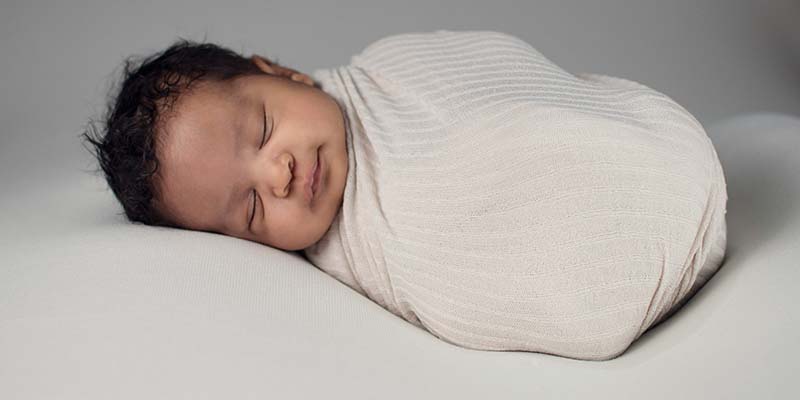
How to Get Your Baby to Sleep Through the Night: Expert-Backed Tips
October 20, 2025

Baby
Safe Baby Sleeping Positions to Reduce Risk of SIDS
October 4, 2025