How to Help Your Anxious Child: A Practical Guide for Parents
Kids|March 11, 2026Practical Parenting Hacks To Save 10 Hours Of Chores Every Week
Family lifes|February 9, 20266 Simple Ways to Boost Your Child's Attention Span
Kids|January 15, 20267 Best Mattress for Kids Who Toss, Sweat, and Grow Fast
Kids|January 10, 2026Top 10 Educational Toys for Kids: Learning Through Play
Kids|January 10, 2026How to Get Your Baby to Sleep Through the Night: Expert-Backed Tips
Baby|October 20, 2025Tips For Managing Screen Time For Kids
The battle against screens is real—tablets and TVs easily draw kids in, leaving parents torn between entertainment and concern. Excessive screen time can impact sleep, behavior, and social skills. But with the right approach, you can set healthy boundaries and build better digital habits without daily battles. Here are some helpful tips.
Set Clear Screen Time Guidelines For Children
Children thrive within the safety of structured routines, and screen time is no exception.
The Scientific Gold Standard
Age-Appropriate Limits: Adhere to the World Health Organization (WHO) and American Academy of Pediatrics (AAP) guidelines. For toddlers under two, sedentary screen time (like watching TV) is generally discouraged. For children aged two to five, limit recreational screen usage to one hour of high-quality programming per day. For older children, a cap of two hours is a solid baseline for recreational use.
The "Digital Contract": Don't just speak the rules—write them down. Create a physical "Family Media Plan" that both you and your child sign. This formalizes the agreement and shifts the role of the parent from "enforcer" to "partner in a contract."
Consistency and Automation
Use Hard Constraints: Be consistent. If you let rules slide during the week, enforcing them on weekends becomes an uphill battle. To reduce friction, use Parental Control Apps (like Apple Screen Time, Google Family Link, or Qustodio). Let the device’s "Auto-Lock" be the one that says "Time's Up," which often reduces the direct emotional conflict between parent and child.
The Weekend Buffer: If you choose to allow more time on weekends, define exactly how much. For example, "You get an extra 30 minutes on Saturday if your room is clean."
Create Tech-Free Zones At Home
The environment often dictates behavior. If a child’s environment is saturated with screens, their willpower will eventually fail. By designating physical spaces where technology is prohibited, you create "sanctuaries" for focus and connection.
Reclaiming the Bedroom and Dining Table
The Bedroom Sanctuary: Keeping screens out of bedrooms is the single most effective way to protect a child’s sleep. The blue light emitted by screens inhibits melatonin production, making it harder for children to fall asleep and reach deep, restorative REM cycles. Replace tablets with books or audio storybooks at the bedside.
The Dinner Table Rule: The dining area should be a "Zero-Notification Zone." This space is reserved for face-to-face communication, eye contact, and the development of conversational social skills.
The "Screen Parking Lot" Strategy
Centralized Charging: Establish a "Screen Parking Lot" or a charging station in a common area like the kitchen or hallway. At a specific time—for example, 7:00 PM—all devices must be "parked" for the night. This prevents late-night YouTube binges and ensures that the last hour before sleep is spent in a calm, screen-free state.

Make Screen Time A Reward, Not A Given
One of the biggest mistakes in modern parenting is treating screen time as an infinite resource or a fundamental right. To build a healthy relationship with tech, kids must view it as a privilege that is earned through the completion of real-world responsibilities.
The "Power-Up" Checklist
Before the power button is pressed, ensure your child completes a "Basic Needs Checklist." This might include:
-
Physical Activity: 30 minutes of outdoor play or movement.
-
Education: Completion of all homework and 15 minutes of reading.
-
Contribution: One household chore (e.g., clearing the table or feeding the pet).
-
Self-Care: Getting dressed and brushing teeth.
The "Token System"
Consider using a "Screen Token" system. Each token represents 30 minutes. Children can earn tokens throughout the week for extra helpfulness or good behavior. This teaches delayed gratification and basic "digital economics"—if they use all their tokens on Saturday morning, they have none left for Sunday.
Be A Role Model For Healthy Digital Habits For Kids
Children are intuitive observers. They will always prioritize your actions over your words. If you are constantly scrolling through social media while telling your child to go play outside, the message they receive is that the screen is more valuable than the real world.
Lead by Example
The "Phone-Down" Greeting: When your child walks into the room or when you pick them up from school, put your phone away and give them 100% of your attention for the first five minutes. This reinforces their self-worth and models focused attention.
Declare Your Intentions: When you use your phone for a task, say it out loud. Instead of silently staring at your screen, say, "I am just checking the weather for our walk," or "I am replying to a work email for five minutes, then I am putting my phone away." This helps the child distinguish between productive use and mindless scrolling.
Family Screen-Free Hours
Set specific times when the entire family—parents included—disconnects. Whether it’s "Sunday Morning Adventure" or "Wednesday Board Game Night," these windows show kids that life’s most joyful moments happen offline.
Encourage Offline Activities
The "pull" of the screen is strongest when there is a "push" from boredom. Kids often turn to devices because they lack the immediate inspiration to engage in other activities.
Creating an "Activity Menu"
Boredom as a Catalyst: Sometimes, boredom is the best thing for creativity. Don't feel the need to entertain your child every second. However, you can provide a "Boredom Jar" filled with slips of paper containing ideas: "Build a fort," "Draw a comic book," "Start a scavenger hunt," or "Bake a treat."
High-Dopamine Alternatives: Screens provide high levels of dopamine. To compete, offline activities need to be engaging. Engaging in sports, arts and crafts, or complex puzzles helps retrain the brain to find pleasure in slower-paced, tactile activities.
Plan Family Bonding
Make offline time an event. A family bike ride, a storytelling session where everyone contributes a sentence, or a messy science experiment in the kitchen provides the social connection that no app can replicate.

Use Educational Content To Your Advantage
Not all screen time is created equal. There is a vast difference between mindlessly watching "unboxing" videos and learning how to code or speak a new language.
Transition from Consumption to Creation
The "Active Use" Rule: Encourage apps that require the child to produce something. Digital art programs (like Procreate), music production (GarageBand), or coding platforms (Scratch) transform the tablet into a tool of creation.
Curate the Content: Be the gatekeeper of the App Store. Introduce your kids to language learning platforms (Duolingo for Kids), digital logic puzzles, or documentaries about subjects they love, such as space or animals. When screen time is purposeful, it becomes an opportunity for cognitive growth rather than passive entertainment.
Talk About The Impact Of Screens
Education is the key to long-term self-regulation. Kids are far more likely to follow boundaries when they understand the biological and psychological "why" behind them.
The "Science of the Brain" Conversation
Explain the "Glitch": Talk to your kids about how apps are designed by "brain experts" to keep people hooked. Explain that too much screen time can make the "calm part" of their brain go to sleep and the "cranky part" wake up.
The Feeling Experiment: Ask your child to do a "body scan." Ask them, "How do your eyes feel after playing that game for an hour? Do you feel energetic or tired? Are you feeling more frustrated than usual?" Helping them connect their physical and emotional state to their screen habits empowers them to make better choices as they grow.

Learn How To Reduce Kids' Screen Time Without A Fight
The "Transition Tantrum" is one of the most common hurdles for parents. Abruptly ending a digital session feels like a physical shock to a child’s dopamine-driven brain.
Soften the Landing
The Multi-Stage Warning: Give a 10-minute, 5-minute, and 2-minute warning. This allows the child to find a "natural stopping point" in their game or video.
Ask About the Game: Instead of just saying "Turn it off," ask a question: "What level are you on? Can you show me how to save the game so we can finish it tomorrow?" This shows respect for their digital effort and makes the transition feel less like a punishment.
The "Bridge" Activity: Transition them into an engaging offline task immediately. "Time's up! Come help me mix the pancake batter—I need your expert whisking skills." Moving from a high-stimulation screen to a rewarding physical task prevents the "crash" that leads to meltdowns.
Finding The Right Balance
Managing screen time for kids doesn't mean banning devices altogether. It's about balance. By setting clear screen time guidelines, engaging in offline activities, and leading by example, you can raise kids with a healthy relationship with technology without daily battles.
Technology is a part of modern life, and instead of fighting it, we should teach kids how to use it responsibly. By setting boundaries, encouraging real-world interactions, and making screen time purposeful, we're not just reducing screen time—we're shaping kids into well-rounded individuals.
Start small, stay consistent, and remember: you're the parent, not the screen police. The goal isn't perfection—it's progress. Every small step counts toward creating healthy digital habits for kids that will benefit them for life.

Kids
How to Know If Your Child’s Autism Evaluation Is Done Right
March 20, 2026

Family lifes
How Co-Parenting Can Work Better After Separation
March 19, 2026
Baby
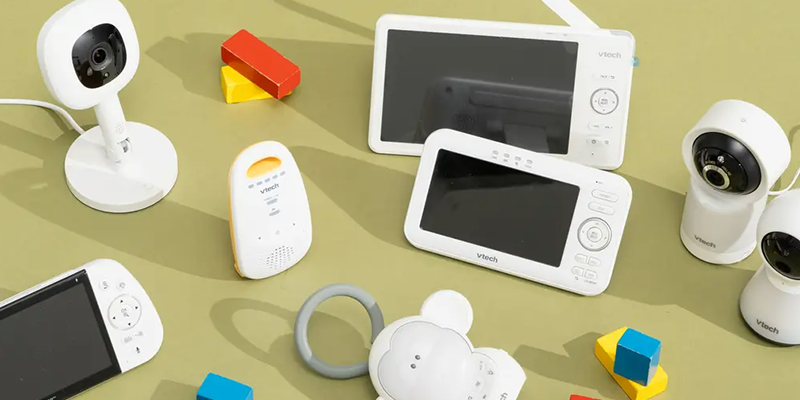
Baby Monitor With Pan Tilt Camera: Why You Need It And Top Models
March 16, 2026

Pregnancy
High-Protein Foods to Support Your Baby's Brain Development
January 6, 2026