How to Get Your Child Off Video Games Without Daily Arguments
Family lifes|February 28, 2026Introduce The Pacifier - A Practical Guide for New Parents
Kids|October 29, 2025Tips For Managing Screen Time For Kids
Kids|October 17, 20257 Early Signs Of Pregnancy You Might Miss
Pregnancy|October 14, 2025Safe Baby Sleeping Positions to Reduce Risk of SIDS
Baby|October 4, 2025Protect Your Kids Online: Must-Have Parental Control Apps
Family lifes|September 28, 2025That Messy Room? ADHD Is Running The Show Behind It
A messy room can feel like a battle you keep losing. But for many kids with ADHD, it's not about "not caring." It's a mix of executive function challenges, attention drift, emotional overload, and a setup that asks too much from a developing brain.
Why The Mess Keeps Happening
Most children don't trash their room on purpose. With ADHD, the brain struggles to start, sequence, and finish tasks that look simple to you. "Clean your room" sounds easy to an adult, but to a child, it can feel like ten jobs at once: pick up clothes, decide where they go, open the drawer, resist the toy on the floor, and finish without getting distracted.
That's why repeated reminders often fail. Your child may agree, intend to clean, and still freeze. They aren't refusing the way a typical kid might. They have a weaker internal system for planning and follow-through. The messy room is just the visible result of that invisible struggle.
What ADHD Changes
Three specific challenges affect how your child handles their room:
Working memory — the brain's ability to hold a thought while acting on it — is often weaker. Your child might pick up a shirt, spot a book, put the shirt down, and forget what they were doing. Small interruptions pile up. That's why a room can go from "slightly untidy" to "disaster zone" in an hour.
Time perception is another issue. Cleanup can feel endless even when it's not. Your child may believe it will take "forever," so they avoid starting. That avoidance creates more clutter, which makes the next cleanup feel even heavier. It becomes a loop: the mess feels too big, so they delay, and the mess gets bigger.
Impulsivity also plays a role. Kids with ADHD drop things where they stand, switch activities quickly, or leave items half-put away. That doesn't mean they're careless in a moral sense. It means they act before organizing, then get pulled to the next thing before the first one is done.
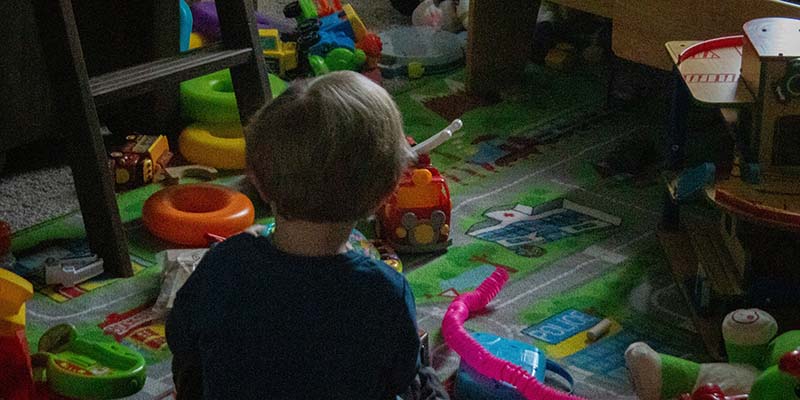
What Parents Often Misread
It's easy to turn a messy room into a moral issue. Here's what usually gets misunderstood:
Laziness Vs. Skill Gap
You might think a messy room means lazy or testing limits. But often the bigger problem is shame. If your child already knows the room is messy, hearing the same criticism again can make them shut down. They stop hearing the instruction and start hearing "I'm a failure."
Punishment Doesn't Teach
Taking away privileges may produce a rushed cleanup, but it doesn't teach the skill. If your child doesn't know how to break the room into steps, the same mess will return tomorrow. The long-term fix isn't stricter anger. It's clearer structure, smaller tasks, and support right when the task begins.
Visible Clutter Can Be Functional
Some kids actually function better with some visible clutter because it helps them remember where things are. That can look messy to you, but it may feel usable to your child. The aim isn't perfect minimalism. It's a room your child can actually manage.
What Actually Helps
Start by making the room easier to read. Use simple storage and keep categories obvious. Clothes go here. Books go there. Trash goes in one bin. Toys belong in one or two places, not five. If your child has to decide where every single item goes, the system is too complicated. The best setup is one they can use when tired, distracted, or rushed.
Shrink the task. Don't say "clean your room." Say:
"Put dirty clothes in the hamper."
"Now put books on the shelf."
"Pick up trash for three minutes."
Short, visible steps lower resistance. Your child is more likely to begin when the task has a clear end point. Progress feels real, which builds motivation.
Use a timer — but only to reduce pressure, not add it. A 5-minute race often works better than an open-ended cleanup. It turns a vague demand into a contained challenge. Your child knows there is an end. You can also try a 10-minute reset before dinner or bedtime so cleanup becomes routine instead of a crisis.
Build a Room That Works
Let the room do more of the work. Clear bins are usually better than opaque boxes because your child can see what belongs inside. Labels help, but only if they're simple and visual. A picture of socks works better than the word "socks" for younger kids. Open baskets can work better than drawers for items used every day.
Reduce the number of decisions. One bin for action figures is better than a separate drawer for every type. One hook for a backpack is better than a complicated closet system. A child with ADHD needs fewer steps, not more rules. If putting something away requires opening three things, it's probably too hard.
Create landing zones. For example:
A small tray by the door for school papers.
A basket for loose items (keys, headphones, small toys).
A hook for a backpack or jacket.
These spots catch clutter before it spreads. They make cleanup feel less like a major project and more like returning things to their home.
Use Routines, Not Lectures
Routine beats emotion. If every cleanup happens the same way, at the same time, with the same steps, your child uses less mental energy. For example: clothes first, trash second, books third, floor last. That order turns a fuzzy job into a predictable sequence. Predictability is powerful for ADHD.
Keep your language short. One instruction at a time. Too much talking can drown out action. Instead of explaining why the room matters, show the next move: "Trash first." "Now clothes." "Now books." The more concrete the prompt, the easier it is for your child to respond.
Praise effort, not just results. Your child may still have a messy room after working hard. If you only notice the final state, they learn that effort doesn't count. If you notice progress — "Hey, you got all the trash in the bag!" — they're more likely to try again. That's how habits form: from repeated small wins, not one perfect cleanup.
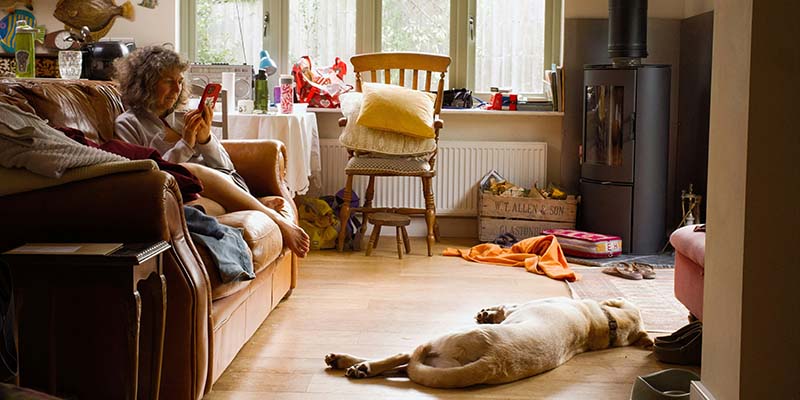
When Clutter Has a Deeper Meaning
Sometimes a messy room isn't just about organization. It can be tied to anxiety, low mood, perfectionism, or burnout. A child who feels overwhelmed may avoid the room because every item reminds them of what they haven't finished. If the mess comes with tears, strong resistance, sleep problems, or sudden behavior changes, the issue may need more attention than a cleaning plan.
Even then, don't shame your child into action. Lower the barrier. One trash bag. One laundry pile. One surface cleared. Start where success is most likely. Once your child sees movement, the room stops feeling like a failure and starts feeling fixable.
Action First, Motivation Later
Kids with ADHD often need more external support than other kids. That doesn't mean they can't learn independence. It means independence is built in smaller pieces.
First, they learn where things go. Then they learn the cleanup sequence. Then they learn to begin without being asked three times. Over time, the room becomes less of a fight.
Don't wait for motivation. Motivation often shows up after action, not before. A child who starts with a 3-minute task is more likely to keep going than a child told to finish everything at once. The first win is the hardest. After that, momentum helps.
A Practical Reset Plan For Tonight
Here's a simple reset you can try tonight:
Open the curtains and turn on the lights.
Put one trash bag in the room.
Set a 5-minute timer.
Pick one category: clothes, trash, books, or toys.
Stop when the timer ends.
Repeat tomorrow with a different category.
This isn't about making the room perfect in one session. It's about making the room less overwhelming. A little progress every day is easier to sustain than a huge cleanup that ends in tears. Your child learns that the room is manageable — and that's the real win.
A messy room in a child with ADHD is usually a skill problem, not a values problem. When you make the task smaller, clearer, and less emotional, cleanup becomes more realistic and less painful. That's better for your child, and better for you too.

Family lifes
How Co-Parenting Can Work Better After Separation
March 19, 2026

Pregnancy
The Best and Safest Exercises During Pregnancy for Every Trimester
February 20, 2026

Pregnancy
12 Proven Ways to Reduce Anxiety During Pregnancy
January 16, 2026

Family lifes
How Predictable Routines Reduce Family Stress (and What Actually Works)
October 16, 2025