Best Sound Machine For Baby: 5 White Noise Machines That Improve Sleep
Baby|March 12, 2026How to Raise Resilient Kids Who Can Handle Stress and Pressure
Family lifes|February 26, 2026Introduce The Pacifier - A Practical Guide for New Parents
Kids|October 29, 20257 Early Signs Of Pregnancy You Might Miss
Pregnancy|October 14, 2025What Is Parallel Parenting – A Guide for Families
Family lifes|October 6, 2025Protect Your Kids Online: Must-Have Parental Control Apps
Family lifes|September 28, 2025Safe Exercises That Support a Healthy Pregnancy: Your Complete Guide
Staying active during pregnancy can help both you and your baby. Regular exercise eases aches, lifts mood, and prepares your body for labor. Knowing which movements are safe helps you stay strong throughout all three trimesters.
Walking for Pregnancy Fitness
Experts recommend at least 150 minutes of moderate exercise each week during pregnancy, and brisk walking counts toward that goal. Regular moderate-intensity activity like walking can improve cardiovascular health, reduce the risk of gestational diabetes, ease back pain, and boost overall mood.
Starting with just 10 minutes a day and gradually increasing to 30 minutes. Focus on consistency and duration rather than speed, a comfortable pace that allows you to talk without gasping ensures you are exercising at a safe intensity.
Proper Walking Technique for Pregnant Women
- Maintain Good Posture
Keep your shoulders back, chin parallel to the ground, and engage your core muscles gently. This prevents back pain and maximizes exercise benefits.
- Natural Arm Movement
Allow your arms to swing naturally at your sides to help maintain balance and rhythm.
- Foot Placement and Footwear
Wear supportive athletic shoes with good arch support to protect your joints as your weight increases. Replace worn shoes every 300 to 500 miles or when you notice uneven wear. Many pregnant women may need shoes a half size larger than usual due to foot swelling.
Swimming and Water-Based Exercises
Swimming and water workouts are safe ways to stay active while pregnant. The buoyancy of water supports your weight, easing pressure on joints and your back, while resistance strengthens muscles and improves heart and lung fitness. The American College of Obstetricians and Gynecologists says that most pregnant women can safely do swimming and other water exercises as moderate aerobic activity.
The weightless feeling in water makes it easier to move, and water aerobics classes for pregnant women adapt standard moves to stay safe and effective.
Tips for Safe Swimming
- Strokes and techniques
Breaststroke strengthens chest and back without much twisting.
Front crawl is safe but may feel uncomfortable later in pregnancy.
Backstroke works your back well, but be careful standing up from the pool to avoid dizziness.
- Avoid risky moves
No diving, jumping, or activities with collision risks.
- Water and pool conditions
Keep water 78-84°F to avoid overheating. Avoid hot tubs and saunas.
Prenatal Yoga for Flexibility and Strength
Prenatal yoga combines gentle stretches, strength-building moves, and breathing exercises designed for pregnancy. It improves flexibility in the hips and pelvis, supports posture, and encourages mindfulness to reduce stress and promote better sleep.
Essential Prenatal Yoga Poses
Cat-cow stretches relieve back tension by gently moving your spine. They can be done daily and feel especially good in the morning.
Squats open the pelvis and strengthen your legs, but it’s best to have support nearby for balance. Seated side stretches keep your obliques and ribcage flexible as your uterus grows.
Butterfly pose opens the hips while you sit safely on the floor. Supported child’s pose with knees wide gives rest and gentle stretching between more active poses.
Poses to Avoid During Pregnancy
Deep backbends put too much pressure on your belly and should be skipped after the first trimester. Closed twists that compress your abdomen should be replaced with open twists that rotate away from your pregnant side. Hot yoga is not recommended because high heat can be unsafe for your baby.
After 20 weeks, lying flat on your back for long periods can press on major blood vessels, which may reduce blood flow to your baby and cause dizziness. Inversions like headstands or shoulder stands carry a risk of falling and should be avoided unless you practiced them regularly before pregnancy.
Low-Impact Strength Training
Maintaining muscle strength during pregnancy supports posture, eases daily activities like lifting your baby, and helps protect your joints. Strength training does not require heavy lifting. Using light dumbbells, resistance bands, or body weight allows you to maintain strength safely without overloading your body.
Safe Exercises
Squats: Stand with feet hip-width apart, weight in your heels, and knees behind your toes. Strengthens legs and glutes while gently opening the pelvis.
Wall Push-Ups: Stand a few feet from a wall, place your hands on it, and bend and straighten elbows. Strengthens chest, shoulders, and arms without straining your belly or wrists.
Bicep Curls: Lift light dumbbells or bands slowly, exhaling as you curl. Builds arm strength for carrying your baby and gear.
Shoulder Raises: Lift arms to side or front to shoulder height using light weights or bands, then lower slowly. Reduces shoulder and neck tension.
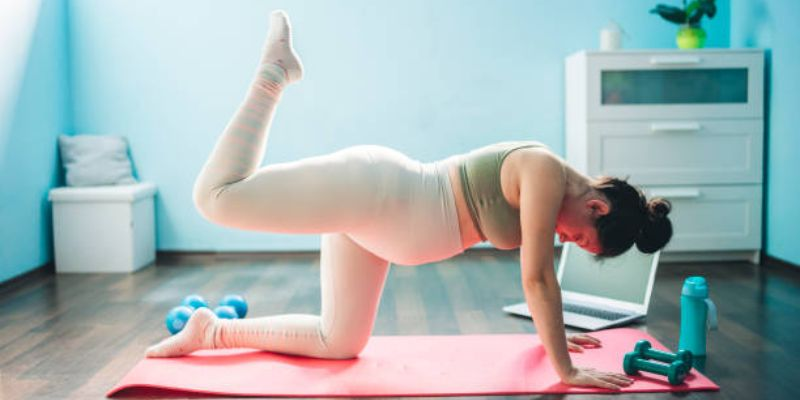
Side-Lying Leg Lifts: Lie on your side with a pillow under your belly if needed. Lift the top leg slowly, then lower with control. Targets hips and outer thighs safely.
Modifications and Tips
Swap barbells for dumbbells or bands for better balance and control.
Try seated versions of exercises like shoulder raises or curls to reduce fall risk while still working the muscles effectively.
Resistance bands are easy to adjust for difficulty and are travel-friendly.
As pregnancy progresses, reduce weight but increase repetitions to maintain strength safely. Avoid going to exhaustion and focus on consistency.
Move slowly, breathe steadily, and rest between sets whenever needed.
Stationary Cycling for Cardiovascular Health
Stationary bikes are a safe low-impact cardio option during pregnancy. Recumbent bikes provide back support as your belly grows, while upright bikes engage the core.
Adjust seat height so your knee has a slight bend at the bottom of each pedal stroke to prevent strain, and keep handlebars high to avoid rounding your back. Start with 10-15 minutes, gradually increasing as endurance improves, using moderate resistance and sipping water throughout.
App Support & Workouts
Use fitness apps that offer pregnancy-safe cycling or overall prenatal workouts to keep routines interesting and structured:
FitMama: guided prenatal workouts, strength and mobility tailored to each trimester.
Juna: Pregnancy Workouts: trimester-based workouts plus nutrition and guidance.
Expect: OB/GYN-approved pregnancy fitness plans with pelvic floor and core.
Sweat (with a pregnancy program): includes low-impact cardio and strength options you can do at home.
Apple Fitness+: "Stay Active During Pregnancy" program with modified workouts for different trimesters.
Combining Cycling with Other Activities
Alternate cycling with walking or light strength work to mix muscle groups and prevent boredom. Use short indoor cycling sessions as warm-ups before strength training, and gentle cycling as a cool-down to reduce dizziness after other workouts.
Pelvic Floor Exercises for Birth Preparation
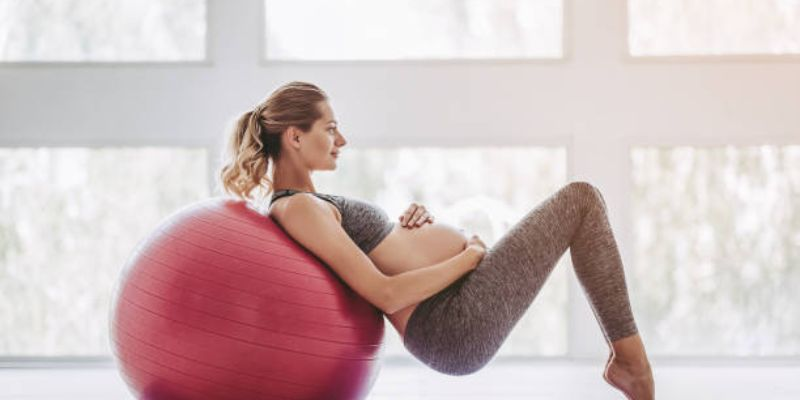
Pelvic floor muscles support your bladder, uterus, and bowels, and strengthening them reduces urinary incontinence and can aid labor and postpartum recovery. Kegels can be performed discreetly anywhere. Focus on contracting and fully relaxing the pelvic floor while breathing normally, avoid tightening your stomach, thighs, or buttocks.
Performing Kegels Correctly
Contract your pelvic floor muscles and hold for five seconds, then relax completely for five seconds. Repeat this cycle 10 times for one set. Aim for three sets daily, gradually increasing hold time to 10 seconds as muscles strengthen.
Avoid holding your breath or tightening stomach, thigh, or buttock muscles during Kegels. These compensations reduce effectiveness and can increase abdominal pressure unnecessarily. Breathing normally throughout the exercise ensures proper technique and prevents dizziness.
Advanced Pelvic Floor Techniques
Elevator exercises: Visualize the pelvic floor as an elevator, contracting in stages from first to third "floor," then releasing slowly.
Quick flicks: Rapid contractions and releases improve muscle responsiveness and endurance. Combining sustained holds with quick flicks provides comprehensive conditioning.
Creating Your Pregnancy Exercise Schedule
Consistency matters more than intensity when exercising during pregnancy. Establishing a regular routine helps you maintain activity levels without overexertion. Three to five days per week of moderate activity provides optimal benefits without excessive fatigue or recovery demands.
Mix different exercise types throughout the week to work various muscle groups. Combining cardiovascular activities with strength training and flexibility work creates balanced fitness. Listen to your body - some days you'll have more energy than others, and that's completely normal.
First Trimester Exercise Guidelines
Many women feel more fatigued during early pregnancy due to hormonal changes. Shorter, more frequent exercise sessions may feel more manageable than longer workouts. Morning sickness can affect your ability to exercise at certain times, so remain flexible with scheduling.
This trimester typically allows most pre-pregnancy exercises to continue with minimal modification. Focus on establishing consistent habits that will carry through your entire pregnancy. Building a strong fitness foundation now makes maintaining activity easier as your pregnancy progresses.
Second Trimester Adjustments
Energy levels often improve during weeks 13 through 27, making this an ideal time to increase activity if desired. Your belly grows more noticeably, requiring balance and positioning adjustments. Avoid exercises requiring you to lie flat on your back for extended periods.
Add exercises that strengthen your back and improve posture as your center of gravity shifts forward. Increase the frequency of pelvic floor exercises as your baby's weight increases. Stay hydrated and eat adequate snacks to fuel your workouts as your caloric needs increase.
Third Trimester Modifications
Size and comfort become primary considerations in your final weeks. Lower-intensity activities often feel better than high-intensity workouts during this period. Swimming may feel especially comfortable as water supports your weight and relieves pressure.
Focus on maintaining fitness rather than improving it during these final weeks. Pelvic floor exercises become increasingly important as you approach delivery. Gentle stretching helps manage the aches and discomfort common in late pregnancy.
Exercises to Avoid During Pregnancy
Contact sports like basketball, soccer, or hockey carry collision risks that could harm your baby. Your loosened joints also make you more susceptible to sports-related injuries during pregnancy. Activities with fall risks, such as downhill skiing, horseback riding, or surfing, should be postponed until after delivery.
High-impact activities like running remain controversial among experts. Some women continue running throughout pregnancy without problems, while others experience pelvic pain or joint issues. If you ran before pregnancy, you may continue with modifications, but pregnancy isn't the time to start a running program.
Temperature and Altitude Considerations
Overheating can increase risks to fetal development, especially in the first trimester. Avoid exercising in hot, humid weather or heated studios. If outdoor temperatures rise above 90°F, choose an air-conditioned space instead.
Activities above 6,000 feet can reduce oxygen levels for you and your baby. If you already live at high altitude, your body is likely adapted. However, traveling to higher elevations for workouts is not recommended.
Scuba diving must be completely avoided. The pressure changes create serious risks for fetal development.
When to Resume Restricted Activities
Most restricted activities can resume after your healthcare provider gives clearance postpartum. This usually happens at the six-week checkup, though some women need more time to recover.
If you are breastfeeding, wear a supportive sports bra. Feeding or pumping before exercise may help you feel more comfortable.
Your abdominal muscles and pelvic floor need time to rebuild strength. Ease back into your pre-pregnancy routine gradually to avoid injury and allow proper healing. Many women see their fitness levels return within three to six months with consistent activity.

Nutrition and Hydration for Exercise
During pregnancy, your body needs more energy to support your baby’s growth. According to the CDC, most women need about 340 extra calories per day in the second trimester and about 450 extra calories per day in the third trimester.
If you exercise regularly, your needs may be slightly higher depending on intensity and duration. Focus on nutrient-dense foods that provide protein, healthy fats, fiber, vitamins, and minerals rather than foods high in added sugar or low in nutrients.
Protein is especially important during pregnancy. Experts generally recommend around 71 grams per day to support fetal growth and maternal tissue changes. Good sources include eggs, dairy, lean meats, beans, lentils, tofu, nuts, and seeds.
Eating a light snack with both carbohydrates and protein about an hour before exercise can help maintain steady energy. Carbohydrates fuel your workout, and protein supports muscle function. Simple options include Greek yogurt with fruit, whole grain crackers with cheese, apple slices with peanut butter, or a small smoothie. Avoid working out on an empty stomach, as low blood sugar can lead to dizziness or weakness.
Staying Properly Hydrated
Drinking enough water is especially important when exercising during pregnancy. Drink some water before you start, take small sips during your workout, and continue after you finish. A simple guideline is about 8 ounces before exercise, around 8 ounces every 15 to 20 minutes while active, and about 16 ounces afterward. You do not need to measure exactly, but it helps to stay mindful.
Urine color can offer a quick clue. Dark yellow usually means you need more fluids. Pale yellow or almost clear is a good sign you are well hydrated.
Pregnant women may become dehydrated more easily. Not drinking enough water can increase the chance of contractions and affect amniotic fluid levels. Keeping a water bottle nearby makes it easier to sip throughout the day. Small, steady sips often feel better than drinking a large amount at once.
If you feel dizzy, very thirsty, or unusually tired, pause and drink water before continuing.
Post-Exercise Recovery
- After a workout, your body needs nutrients to recover.
Protein helps repair and maintain muscle tissue. Adding lean protein to a snack or meal can also help keep blood sugar steady. Options like chocolate milk, hard-boiled eggs, Greek yogurt, or a simple protein smoothie are practical choices.
- Rest matters just as much as movement.
During pregnancy, your body is already working hard, so you may need more downtime than before. Rest days allow muscles to recover and adjust. Getting enough sleep also supports recovery and overall health. When well rested, your body handles activity better and you are more likely to feel energized the next day.
- Listen to your body.
If you feel unusually tired, sore, or dizzy, it may be a sign to slow down and allow extra recovery time.
Staying Active Throughout Pregnancy
Pregnancy lasts about 40 weeks. Starting healthy movement habits now can benefit you long after your baby is born. Exercise during pregnancy supports your baby’s growth and helps achieve a healthy birth weight. These benefits go beyond your own body and can have a positive impact on your overall well-being and your family’s health over time.

Family lifes
How Co-Parenting Can Work Better After Separation
March 19, 2026

Family lifes
The Reason Why Your Child Throws Tantrums and How to Handle It Calmly
February 18, 2026

Family lifes
How To Create A Morning Routine That Keeps Your Family Stress-Free
February 8, 2026

Baby
Newborn Care Guide: What to Expect in Your Baby's First 30 Days
October 24, 2025