5 Signs Your Baby’s Skin Barrier Is Damaged (And Which Creams Help Fast)
Baby|March 1, 2026How to Have a Healthy Pregnancy With a Busy Lifestyle Without Burning Out
Pregnancy|February 6, 2026High-Protein Foods to Support Your Baby's Brain Development
Pregnancy|January 6, 2026How to Get Your Baby to Sleep Through the Night: Expert-Backed Tips
Baby|October 20, 2025Healing Broken Relationships: How To Rebuild Trust After Family Conflicts
Family lifes|October 14, 2025Safe Baby Sleeping Positions to Reduce Risk of SIDS
Baby|October 4, 202510-Minute Nightly Routine To Restore Your Baby’s Natural Skin Barrier
Is your baby's skin prone to dryness, redness, or irritation? Many parents struggle with keeping their little ones' delicate skin soft and healthy. What if a simple, consistent nightly routine could dramatically improve their skin's natural defenses?
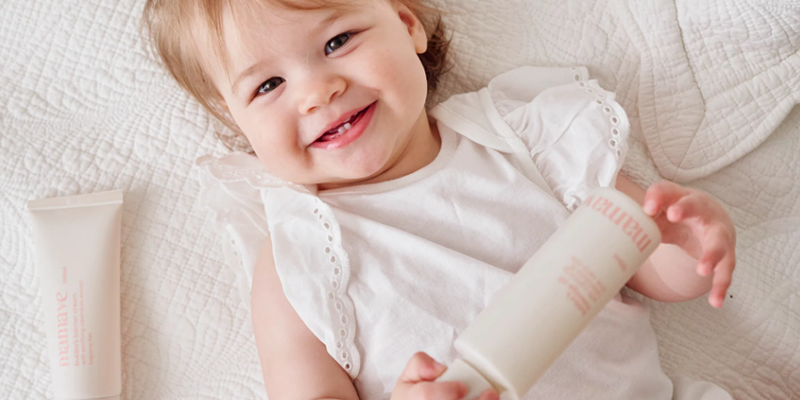
You're about to discover how a focused 10-minute nightly baby skincare routine can transform your baby's skin, making it stronger, healthier, and more resilient against daily irritants. Let's dive in and unlock the secrets to a happy, healthy skin barrier for your little one.
Why Nighttime Is Key For Baby Skin Barrier Repair
You might wonder why focusing on baby skincare at night is so crucial. Here's the secret: your baby's body, much like yours, goes into repair mode during sleep. When your little one is resting peacefully, their skin is less exposed to environmental stressors, such as friction from clothing, dirt, or varying temperatures.
This downtime creates an optimal window for the skin barrier to heal, regenerate, and strengthen itself. Think of it as a natural reset button. By providing the right support through a targeted baby skincare routine before bed, you're maximizing this natural recovery process, helping to seal in moisture and build a stronger protective shield against future irritations.
Step 1: Gentle Cleansing – The Foundation Of Good Baby Skincare
The first step in any effective baby skincare routine is gentle cleansing. This doesn't necessarily mean a full bath every night. If your baby isn't visibly dirty, a quick sponge bath or even just cleaning critical areas can suffice. The goal here isn't to strip the skin, but to gently remove accumulated dirt, sweat, or lingering food particles without disrupting the skin's natural balance.
When you do give a bath, keep it short – no more than 5-10 minutes – using lukewarm water, not hot. Hot water can strip the skin of its natural oils, leading to dryness. Choose a mild, fragrance-free cleanser specifically designed for babies. Look for tear-free, hypoallergenic products that are free of harsh soaps, dyes, and parabens. Gently wash your baby, paying attention to skin folds, behind the ears, and the diaper area. Remember, less is often more when it comes to infant cleansing products; a small amount is usually sufficient. This gentle approach sets the stage for the rest of your baby's skincare efforts.
Step 2: Pat Dry, Don't Rub – Protecting Delicate Skin
Your baby's skin is incredibly delicate and prone to irritation, so aggressive rubbing can cause tiny abrasions and further disrupt the skin barrier. Instead, gently pat your baby dry with a soft, clean cotton towel.
Focus on absorbing excess water from all areas, especially in creases and folds where moisture can get trapped and lead to irritation. Here's a pro tip: leave their skin slightly damp. This slight dampness provides the perfect canvas for the next crucial step – moisturizing. When skin is still a little moist, moisturizers can lock in that existing hydration more effectively, helping to create a stronger, more supple skin barrier. This simple drying technique significantly enhances the efficacy of your entire baby skincare routine.
Step 3: Moisturize Effectively – Sealing In Hydration For Baby's Skin Barrier
This is arguably the most vital step in your nightly baby skincare routine for barrier restoration. After gently patting your baby dry, apply a generous amount of moisturizer within 3 minutes.
When choosing a moisturizer for your baby, prioritize thick, emollient-rich creams or ointments over thinner lotions. Lotions often contain more water and alcohol, which can be drying. Look for products that are fragrance-free, dye-free, phthalate-free, and paraben-free. Key ingredients to seek out include ceramides, colloidal oatmeal, hyaluronic acid, shea butter, or petrolatum. These ingredients are excellent for repairing and strengthening the skin barrier, reducing water loss, and soothing irritation.
Warm a small amount of product between your hands before applying it to your baby's skin. Use gentle, circular motions to massage it in, covering all areas of their body, from head to toe. Pay extra attention to areas prone to dryness, such as the cheeks, elbows, and knees, as well as any rough or irritated patches. This dedicated application helps create a protective layer that reinforces their natural skin barrier throughout the night. Consistent moisturizing is the cornerstone of healthy baby skincare.
Step 4: Diaper Care – A Critical Part Of Nightly Baby Skincare
Even after a thorough cleansing and moisturizing, effective diaper care is a non-negotiable part of your nightly baby skincare routine. A clean, dry diaper area is paramount for preventing diaper rash, which can quickly compromise the skin barrier and cause discomfort.
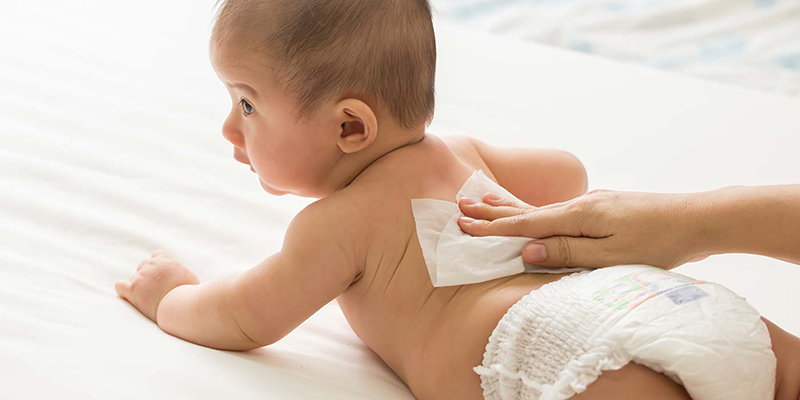
Before putting on a fresh diaper, ensure the area is completely clean and dry. If your baby has sensitive skin or is prone to redness, consider applying a thin layer of a barrier cream, such as one containing zinc oxide or petrolatum. These creams create a protective barrier between your baby's skin and the wetness of the diaper, effectively preventing moisture and irritants from penetrating.
Common Baby Skin Concerns And When To Seek Help
Even with a meticulous baby skincare routine, your little one might occasionally experience common skin concerns. Baby acne, cradle cap, and eczema are frequently encountered conditions in infants. Baby acne typically appears as small red bumps or whiteheads, often on the face, and usually resolves on its own. Cradle cap presents as greasy, yellowish, scaly patches on the scalp and is generally harmless. Eczema, on the other hand, involves dry, red, itchy patches that can appear anywhere on the body and often requires more dedicated management.
While many of these conditions are common and often mild, it's crucial to know when to consult a pediatrician. If your baby's rash is persistent, causing severe discomfort or itching, spreading rapidly, or showing signs of infection (such as pus or fever), it's time to seek medical advice. A doctor can accurately diagnose the condition and recommend appropriate treatments, ensuring your baby's skincare efforts are always aligned with their health needs. Please reach out to a healthcare professional if you have concerns about your baby's skin.
Choosing The Right Products For Your Baby's Skincare Routine
Navigating the vast world of baby skincare products can feel overwhelming. To make informed choices, always look for specific labels that indicate product suitability for delicate skin. Prioritize products that are clearly marked fragrance-free, dye-free, and hypoallergenic. Fragrances, even natural ones, are common irritants for sensitive skin. Hypoallergenic indicates that the product has been formulated to minimize the risk of allergic reactions.
Seek out products that are dermatologist-tested or pediatrician-recommended. These labels suggest that the products have undergone testing or received endorsements from skin health professionals. Before fully integrating any new product into your baby's daily baby skincare routine, perform a patch test.
Apply a small amount of the product to a discreet area of your baby's skin, such as a patch on their arm or leg. Wait 24-48 hours to observe for any redness, itching, or irritation. If no reaction occurs, the product is likely safe to use more broadly. Investing in the right products is a vital step in maintaining your baby's healthy skin barrier.
Your Path To Happier, Healthier Skin
By consistently following this 10-minute nightly baby skincare routine, you're not just applying products; you're actively building and protecting your baby's natural skin barrier. A little dedication each night goes a long way in preventing dryness, irritation, and discomfort. You're empowering their delicate skin to thrive, leading to more comfortable nights and happier days for your little one.

Pregnancy
12 Proven Ways to Reduce Anxiety During Pregnancy
January 16, 2026

Kids
Introduce The Pacifier - A Practical Guide for New Parents
October 29, 2025

Baby
6 Gentle Ways to Soothe a Crying Baby
October 18, 2025

Family lifes
Which Parenting Style Is Most Encouraged in Modern America
September 27, 2025