6 Simple Ways to Boost Your Child's Attention Span
Kids|January 15, 20267 Critical Signs Your Parenting Style Is Stressing Your Child Out
Family lifes|October 22, 20256 Gentle Ways to Soothe a Crying Baby
Baby|October 18, 2025Healthy First Foods for Babies Starting Solids
Baby|October 9, 2025What Is Parallel Parenting – A Guide for Families
Family lifes|October 6, 2025Protect Your Kids Online: Must-Have Parental Control Apps
Family lifes|September 28, 2025Why Your Baby Won’t Stop Crying and What Each Cry Really Means
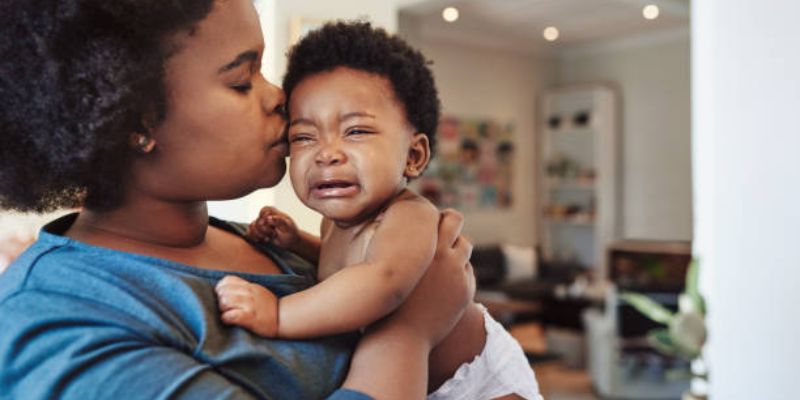
Babies cry. That part you knew. What nobody fully prepares you for is the wall of sound at 2am when you have already tried everything and the crying just keeps going.
The cries are not random. They are communication, and once you start recognizing the patterns, the whole experience becomes a little easier to manage.
How Much Crying Is Actually Normal
Newborns cry an average of two to three hours per day in the first few weeks of life. That number peaks around six weeks and typically drops off by three to four months.
This pattern is so consistent across cultures and geographies that researchers consider it a standard part of early neurological development rather than a parenting variable. Normal newborn crying patterns [1] are well documented, and knowing you are inside the expected range does not make the crying easier to hear, but it does make it easier to respond to calmly rather than frantically.
Why the Hunger Cry Comes First and How to Recognize It
Hunger is the most common reason a newborn cries, and it is usually the first thing to check, especially in babies under three months. A hunger cry typically starts low and rhythmic, almost like a repetitive "neh" sound, and escalates quickly if feeding is delayed.
Before the cry even starts, hunger cues often appear first: rooting, sucking on fists, turning the head side to side, or opening and closing the mouth. If your baby is doing those things, feeding first saves everyone ten minutes of escalating distress.
Breastfed newborns usually feed every one and a half to three hours. Formula-fed babies typically go two to four hours between feeds. If the baby recently ate but is still rooting or fussing, it can also help to check whether they need to burp or whether the feed was interrupted before they got full.
Why Your Baby Cries From Overtiredness More Than You Expect
Overtiredness is one of the most underestimated causes of persistent infant crying, and it catches almost every new parent off guard. Newborns can only comfortably handle 45 to 90 minutes of awake time before needing to sleep again.
Push past that window even slightly, and cortisol rises, making it much harder for them to settle. The overtired cry tends to be high-pitched, frantic, and accompanied by eye rubbing, arching backward, or staring blankly.
The counterintuitive part is that overtired babies often seem wired rather than sleepy, which leads parents to keep them up longer and makes the cycle worse. If the baby has already missed their sleep window, reducing stimulation quickly and moving them to a dark, quiet room often works better than trying more activity.
Why Gas and Digestive Discomfort Make Babies Cry for Long Stretches
A gassy baby cry sounds different from hunger. It is sharp, often comes in waves, and may stop and start rather than staying constant.
The baby may pull their knees toward their chest, arch their back, pass gas, or have a visibly tight belly. Gas pain is extremely common in the first three months because the digestive system is still immature.
Bicycle legs, gentle tummy massage in a clockwise direction, and keeping the baby upright for 20 to 30 minutes after feeds can all help move trapped air. If the crying keeps happening after most feeds, it can also be worth checking bottle flow, latch, or whether the baby is swallowing air.
Gripe water and simethicone drops like Mylicon are widely used, though evidence for their effectiveness is modest at best.
Why Colic Is Its Own Category and What Makes It Different
Colic is diagnosed when an otherwise healthy baby cries for more than three hours a day, more than three days a week, for more than three weeks. It affects roughly 10 to 40 percent of infants worldwide and typically appears around two to four weeks of age, peaks at six weeks, and resolves on its own by three to four months.
The cause is not fully understood, which is both the honest answer and genuinely frustrating for parents in the middle of it. Current research points to gut microbiome immaturity, sensory processing sensitivity, and feeding-related factors as possible contributors, but no single explanation covers all cases.
If your baby is feeding well, gaining weight, and otherwise seems healthy but still has long periods of crying, colic becomes a more likely explanation. It is not a sign that you are doing something wrong.
Why the Pain Cry Sounds Different and Demands Immediate Attention
A pain cry is usually distinct enough that many parents recognize it instinctively, even without prior experience. It is sudden, shrill, high-pitched, and often followed by a brief silent pause before the next cry, as if the baby is catching their breath from the shock of the sensation.
Common sources of sudden pain in infants include hair tourniquets, where a strand of hair wraps tightly around a finger, toe, or the penis, ear infections, urinary tract infections, and in rare cases, intussusception, a bowel condition requiring urgent care.
If a cry is sudden, extreme, and nothing you do helps, check the baby's body carefully, especially fingers, toes, and diaper area, and contact your pediatrician.
Why Discomfort From Temperature or Environment Triggers Crying
Babies are far more sensitive to environmental conditions than most new parents initially realize. A room that is slightly too warm, a clothing tag rubbing against skin, a wet diaper that has been on for too long, or a sitting position that puts pressure on an uncomfortable spot are all enough to trigger sustained crying.
The check sequence is worth running methodically: diaper, clothing, room temperature, and positioning. Newborns generally sleep comfortably in rooms between 68 and 72 degrees Fahrenheit.
Overdressing is a more common problem than underdressing because parents instinctively want babies to be warm. If the back of the baby's neck feels sweaty or damp, that is often a better clue than cold hands or feet.
Why Overstimulation Causes Crying That Looks Like Inconsolable Fussiness
Newborn nervous systems are not yet equipped to process a full day of sensory input. Lights, sounds, multiple people, noise, movement, and stimulation that adults barely register can overwhelm a young baby quickly.
When that threshold is crossed, the result is crying that does not respond well to feeding, holding, or rocking. An overstimulated cry often comes at the end of a busy day or after a long social outing.
The baby may turn their head away, hiccup frequently, yawn, or have a glazed look. Moving to a darker, quieter room and reducing stimulation entirely, rather than adding more distraction, is usually the most effective response.
Why the Need-for-Contact Cry Is Real and Not a Bad Habit
Some babies cry simply because they want to be held, and this is biologically normal. Human infants are among the most physically dependent newborns of any primate species.
Skin-to-skin contact releases oxytocin, helps regulate heart rate and body temperature, and reduces cortisol in both the baby and the parent. Skin-to-skin contact benefits for newborns [2] are well supported by research, and responding to a baby's need for contact does not create spoiled behavior.
Babies under six months do not have the neurological development to manipulate. Holding them when they cry is a physiological need, not a negotiation.

Why Teething Crying Starts Earlier Than Parents Expect
Most parents associate teething with six to eight months, but some babies begin experiencing gum discomfort as early as three to four months when teeth start moving under the gum surface before breaking through.
The teething cry tends to be whiny and continuous rather than sharp, often paired with excessive drooling, chewing on hands, flushed cheeks, and general irritability. If the baby is otherwise feeding normally and has no fever, teething becomes a more likely explanation.
Chilled silicone teething toys usually work better than frozen ones, which can be too hard and may irritate the gums. Avoid any teething gels containing benzocaine for babies under two years.
Why Illness Makes Crying Sound Distinctly Different
A sick baby often cries differently from a healthy one. The cry may be weak, whiny, or unusually persistent, and it is often accompanied by fever, lethargy, poor feeding, congestion, vomiting, or a noticeable change in energy.
A baby who is normally active and responsive but suddenly crying weakly and not engaging is worth calling the pediatrician about. If the baby is harder to wake, refusing feeds, or seems floppy or unusually quiet, that is more concerning than crying alone.
Fever in babies under three months requires immediate medical evaluation regardless of how mild it seems. A rectal temperature of 100.4 degrees Fahrenheit or higher in a newborn is a medical urgency, not a wait-and-see situation.
Why Nothing Working Is Also a Real Answer Sometimes
There will be days, particularly during the six-week peak, where you have addressed every possible need and the baby is still crying. You are fed, changed, burped, held, and in a quiet room.
And the crying continues.
This is one of the hardest parts of early parenthood and one of the most common triggers for parental stress and postpartum mood disorders. It is okay to put a safely sleeping baby down in their crib and step out of the room for five to ten minutes to reset. Safe infant sleep and coping strategies for parents [3] emphasize that a brief, safe pause is far better than responding while completely overwhelmed.
Reading the Patterns Takes Time, and That Is Okay
No parent decodes their baby's cries perfectly in the first week, or even the second. Pattern recognition builds gradually, through repetition rather than instinct.
Pay attention to what happened right before the cry: how long it has been since the last feed, the last nap, the last diaper change, and whether the baby has been overstimulated or held too long. Context is the interpreter.
Give yourself a realistic timeline of four to six weeks before the cry types start feeling more distinguishable. Keep your pediatrician in the loop about any crying patterns that feel extreme, sudden, or accompanied by other symptoms. Your observations matter, and your instincts about your own baby are worth voicing.
References
[1] Normal Newborn Crying Patterns – https://www.aap.org
[2] Skin-to-Skin Contact Benefits for Newborns – https://www.nichd.nih.gov
[3] Safe Infant Sleep and Coping Strategies – https://www.cdc.gov

Pregnancy
How to Sleep Comfortably During Pregnancy When Nothing Seems to Work
February 14, 2026

Kids
How Sleep Affects Child Growth and Immunity: A Parent’s Guide
February 7, 2026

Pregnancy
7 Early Signs Of Pregnancy You Might Miss
October 14, 2025

Baby
5 Daily Routines That Make Caring for a Newborn Easier
October 1, 2025