5 Signs Your Baby’s Skin Barrier Is Damaged (And Which Creams Help Fast)
Baby|March 1, 20267 Daily Routines That Actually Calm Anxious Children
Kids|February 17, 20266 Simple Ways to Boost Your Child's Attention Span
Kids|January 15, 2026Introduce The Pacifier - A Practical Guide for New Parents
Kids|October 29, 2025Tips For Managing Screen Time For Kids
Kids|October 17, 2025The Importance of Physical Activity For Kids
Kids|October 11, 2025Soft Structured Vs. Wrap Vs. Hip Seat: Which Baby Carrier Fits You
Your back aches, the baby is crying, and you want your hands back. Sound familiar? Finding the right baby carrier changes everything, but the choices are overwhelming. Let's break down exactly which type fits your daily life right now.
The Soft Structured Baby Carrier: The Heavy-Duty Helper For Everyday Life
If you only want to buy one piece of baby gear that will last from the newborn days straight through to the toddler years, the Soft Structured Baby Carrier is usually the safest bet. Think of this like a high-end hiking backpack made specifically for carrying a tiny human.
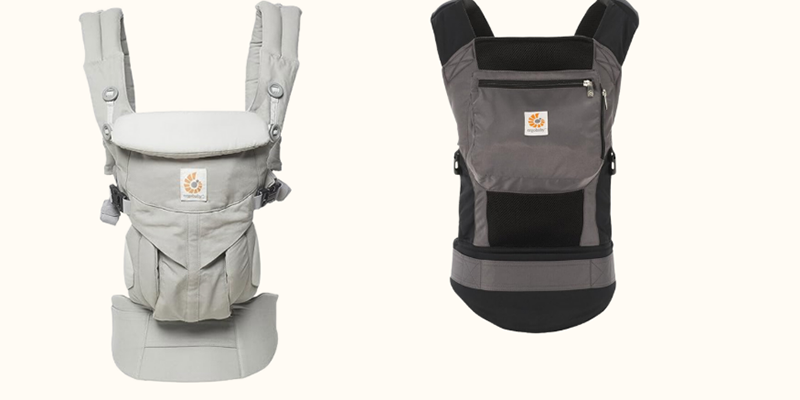
It comes with padded shoulder straps, a thick waist belt, and sturdy buckles. You don't need to learn any complicated tying methods; you click it in, pull the straps tight, and you are ready to go.
Where It Shines (The Pros)
1. Fast and easy: When it's raining in the grocery store parking lot, and your baby is fussy, you can get them into a soft-structured carrier in about ten seconds.
2. Serious back support: Because of the thick waist belt, the baby's weight sits on your hips rather than pulling on your shoulders. This means you can wear it for hours without feeling like your spine is going to snap.
3. Dad-friendly: Many partners prefer the backpack-like feel of these carriers compared to long yards of fabric.
4. Multiple positions: Most models let you carry your baby facing inward, facing outward (when they are older and have head control), or even on your back like a piggyback ride.
What To Watch Out For (The Cons)
1. They are bulky: You can't easily stuff a heavy-duty structured carrier into a small diaper bag. It takes up space.
2.It can get hot: Thick padding means less airflow. If you live in a hot climate, wearing this during summer can leave both you and the baby sweaty.
Best Scenarios For This Carrier
This is your go-to for leaving the house. It is perfect for walking the dog, navigating airport security, hiking on dirt trails where a stroller can't go, or doing weekly grocery shopping.
Buying Tip: Always look for a carrier that supports the baby's legs in an M shape (with the knees higher than the bottom). If you run hot, skip the heavy canvas materials and buy a version made entirely of breathable mesh.
The Wrap Baby Carrier: The Snug Fix For Newborn Naps
A Wrap Baby Carrier is exactly what it sounds like: a very long, continuous piece of stretchy fabric that you tie around your body to hold your baby tight against your chest.
In the first three months of life, babies want to feel close to you. They want to hear your heartbeat and feel your body heat. A wrap mimics the feeling of being in the womb better than any other option on the market.
Where It Shines (The Pros)
1. Custom fit for everybody: Because you tie it yourself, it perfectly fits any body shape or size. You don't have to adjust buckles if you and your partner share the carrier.
2. Instant sleep magic: For colicky or fussy newborns, the tight, gentle pressure of a wrap often puts them to sleep in minutes.
3. Super soft and cozy: No hard plastics or thick foams are pressing against you. You can easily sit on the couch and relax while wearing it.
4. Budget-friendly: Wraps are typically much cheaper than structured carriers.
What To Watch Out For (The Cons)
1. The learning curve: Tying a long piece of fabric around yourself while holding a crying baby is stressful at first. Please watch a few online videos and practice in front of a mirror.
2. The parking lot problem: The fabric is usually about 5 yards long. If you try to tie it in a parking lot, the ends will drag on the dirty ground or wet grass.
3. Sagging over time: Stretchy wraps are only good for the first few months. Once your baby hits around 15 pounds, the stretchy fabric starts to sag, pulling on your neck and shoulders.
Best Scenarios For This Carrier
The Wrap is the absolute king of the fourth trimester. It is best for wearing around the house when you need to make a sandwich, fold laundry, or get your newborn to take a nap without being held.
Practical Tip: Tie the Wrap at home before you get in the car. Wear it like a t-shirt while you drive. When you arrive at the store, pop the baby in. No dragging fabric on the ground!
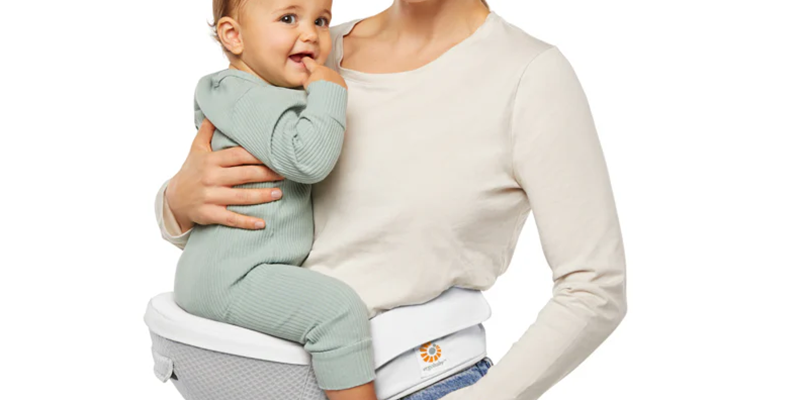
The Hip Seat Baby Carrier: Quick Ups And Downs For Toddlers
Right around the time your baby turns one and starts walking, everything changes. They want to walk. Then they want to be held. Then they want to walk again. Doing this fifty times a day will destroy your arms. Enter the Hip Seat baby carrier.
Instead of a full pouch, this carrier features a firm shelf (a literal seat) that straps around your waist. Your child sits on the shelf, and you keep one arm around them for safety. Many models also come with a detachable back panel, turning it into a full carrier when needed.
Where It Shines (The Pros)
1. Saves your spine: Parents naturally pop their hips to the side to hold a heavy toddler, which throws the spine out of alignment. The hip seat takes that weight and puts it squarely on the thick waist belt.
2. Zero restriction for the child: Toddlers hate feeling trapped. The hip seat gives them the freedom to look around and move their arms while still resting comfortably.
3. Lightning fast: Picking up and putting down your child takes one second: no straps, no buckles, no tying.
What To Watch Out For (The Cons)
1. Not totally hands-free: Unless you attach the extra back panel, you always need one hand on your child to keep them steady on the seat.
2. Looks quite bulky: The seat itself is a hard piece of foam or plastic. Wearing it around your waist makes it look like a very large fanny pack.
Best Scenarios For This Carrier
This is an absolute lifesaver for family trips to the zoo or theme parks, as well as for walking around the neighborhood. It's also great for days at home when your toddler is sick or clingy, and you need to carry them while making dinner.
Buying Tip: Look for a hip seat with a storage pocket built into the seat beneath the baby. It's the perfect spot to shove your phone, keys, and a single diaper so you don't even need a bag.
Quick Match: What Do You Actually Need?
Still not sure? Here is the fast way to make your choice based on your current lifestyle:
Pick the Wrap if: Your baby is under 3 months old, you want to do chores around the house while they nap, and you love soft, clothing-like fabrics.
Pick the Soft Structured Carrier if you want to buy exactly one item that will last 2 years. You plan to walk outside a lot, go to the store, and need both hands free.
Pick the Hip Seat if: Your child is over 6 months old, getting too heavy for your arms, and constantly begs to be picked up and put down.
Final Thoughts
You don't need to buy every baby item on the internet. Think about what annoys you most right now. If your arms are tired from a heavy toddler, grab the hip seat. If you want a solid daily workhorse for errands, go with the soft-structured option. Pick the tool that solves today's problem, get your hands back, and make your day just a little bit easier.

Baby
Why Your Baby Won’t Stop Crying and What Each Cry Really Means
February 21, 2026

Family lifes
How To Create A Morning Routine That Keeps Your Family Stress-Free
February 8, 2026

Kids
6 Simple Ways to Boost Your Child's Attention Span
January 15, 2026

Kids
Introduce The Pacifier - A Practical Guide for New Parents
October 29, 2025