7 Best Mattress for Kids Who Toss, Sweat, and Grow Fast
Kids|January 10, 2026How to Discipline Kids Without Fear or Punishment: A Complete Guide
Family lifes|October 20, 2025Tips For Managing Screen Time For Kids
Kids|October 17, 2025How Predictable Routines Reduce Family Stress (and What Actually Works)
Family lifes|October 16, 2025Newborn Skin, Breathing, and Sleep: 8 Things Every New Parent Should Know
Baby|October 14, 2025A Parent’s Guide to the Best Phone Plan for Kids
Kids|October 7, 20255 Signs Your Baby’s Skin Barrier Is Damaged (And Which Creams Help Fast)
Is your baby crying from dry, red patches? Nothing feels worse than watching them scratch a stubborn baby rash. If standard lotions aren't working, their skin barrier might be broken. Let's look at the signs and the exact ingredients to fix it.
Sign 1: The Skin Feels Like Rough Sandpaper
Normal baby skin is soft and plump. When you run your hand over your baby's arms, legs, or cheeks and it feels bumpy, dry, or like fine sandpaper, their skin is losing water rapidly.
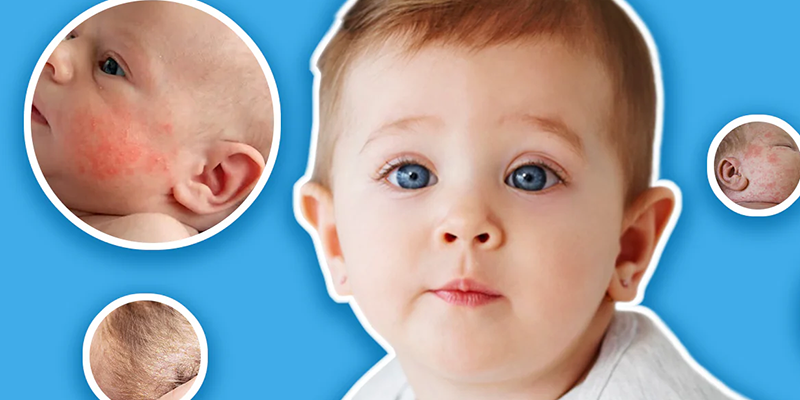
The outer layer of the skin is like a brick wall. The skin cells are the bricks, and the natural oils are the mortar holding them together. When that mortar washes away from hot baths or dry air, the bricks shrink and crack. This creates that rough texture.
The Fix: Ceramides
You need to replace the missing mortar, and ceramides are the exact lipids your skin uses to do this. They bind the cells back together and trap water inside.
What To Buy:
Pick up CeraVe Baby Moisturizing Cream. Please do not buy the lotion in the pump bottle; choose the thick cream in the tub. It contains three essential ceramides.
How To Use It:
Use the Soak and Seal method. Give your baby a lukewarm bath for five minutes. Pat them dry with a towel—leave the skin slightly damp. Within three minutes, slather a thick layer of the ceramide cream all over the rough areas. Apply it thick, almost like frosting a cake, and let it sink in.
Sign 2: Angry Red Patches That Look Like a Baby Rash
When the skin barrier breaks down, it stops keeping things out. Irritants from laundry detergent, pet dander, or even the baby's own sweat can slip past the broken barrier. This triggers the immune system, causing a sudden, angry baby rash.
These red, inflamed patches often show up in the creases of the elbows, behind the knees, or on the neck.
The Fix: Colloidal Oatmeal
Plain moisture will not make the redness go away. You need an ingredient that actively calms inflammation. Colloidal oatmeal is finely milled oat powder that binds to the skin, creating a protective film while naturally lowering inflammation and easing the sting.
What To Buy:
Aveeno Baby Eczema Therapy Nighttime Balm is highly effective here. It is a gentle moisturizer for sensitive skin, but it is formulated as a heavy balm rather than a liquid. It contains a high percentage of colloidal oatmeal to calm the red patches while they sleep.
Sign 3: Flaking And Peeling Skin
If you take off your baby's onesie and see tiny white flakes of skin clinging to the fabric, it's shedding abnormally fast. Severely dry skin cannot shed its dead cells properly. Instead of falling off invisibly, the cells clump together and flake off in visible scales.
The Fix: Squalane
When flaking happens, the skin is desperate for oil, not water. Squalane is a plant-derived oil (usually from olives or sugarcane) that mimics the natural oils produced by human skin. It sinks in quickly, stops the flaking instantly, and does not leave a greasy, sticky mess that rubs off on clothes.
What To Buy:
Pipette Baby Balm is an excellent choice. It relies heavily on sugarcane-derived squalane. It comes in a stick or a tube, making it easy to glide over peeling cheeks or flaky legs before going outside in cold or windy weather.
Sign 4: Tiny Cracks Or Weeping Fluid
This is a sign of severe barrier damage. The skin wall has completely cracked open. You might notice tiny splits behind the ears, under the chin folds, or on the knuckles. Sometimes, these cracks leak a clear fluid. At this stage, standard baby lotions will actually sting and make your baby cry because the water and preservatives in the lotion sink straight into the raw tissue.
The Fix: Panthenol (Vitamin B5)
You need a thick ointment that acts as a temporary bandage while speeding up cell repair. Panthenol acts as a healer. It tells the skin cells to multiply and close the wound, while also pulling moisture into the newly formed skin.
What To Buy:
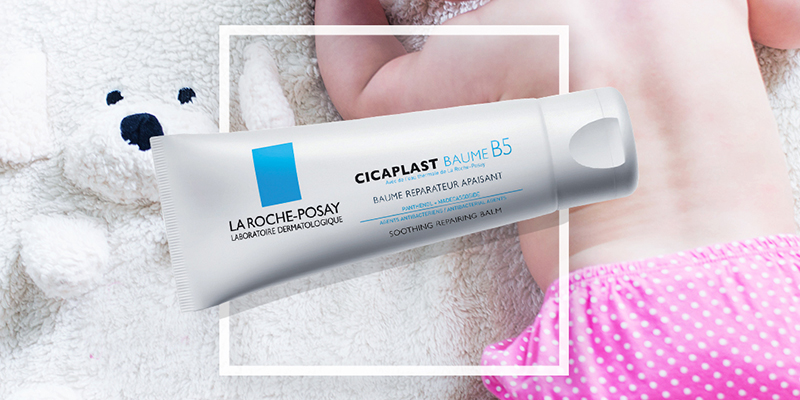
La Roche-Posay Cicaplast Baume B5. This is a staple in many households for a reason. It contains 5% panthenol, shea butter, and madecassoside (a soothing plant extract).
How To Use It:
Do not rub this in aggressively. Squeeze a pea-sized amount onto your finger, then gently tap it onto the cracks or weeping spots. Let the white paste sit on top of the skin. It will act as a physical shield against bacteria, while panthenol does the repair work beneath.
Sign 5: Relentless Scratching That Ruins Sleep
When moisture escapes, and irritants enter, the nerve endings in the skin misfire, sending constant itch signals to the brain. If your baby is waking up multiple times a night, rubbing their face against the mattress, or scratching their legs, their skin barrier is screaming for help.
The Fix: Shea Butter And Niacinamide
You need extreme, heavy-duty lipid replenishment combined with an anti-itch agent. Niacinamide reduces redness and soothes the itch, while raw shea butter provides a thick, protective coating that lasts for hours.
What To Buy:
Mustela Stelatopia Emollient Balm. This is specifically formulated for extremely dry, itchy skin. It uses sunflower oil distillate and shea butter to coat the nerve endings and stop the itch cycle so your baby can finally rest.
Why Basic Baby Lotions Fail
Many parents see dry skin and immediately reach for a cheap baby lotion from the grocery store. You pump it out, rub it in, and the skin looks wet for five minutes. An hour later, the skin is dry again.
Here is why that happens: basic lotions are mostly water.
When you put water on a damaged skin barrier, that water evaporates into the air. Worse, as it evaporates, it can actually pull the baby's natural moisture out with it, worsening the dryness.
To fix a damaged barrier, you must switch from a lotion to a cream, balm, or ointment.
Lotions are thin, watery, and pump easily. They are for healthy skin.
Creams are thick, usually come in a tub, and contain equal parts oil and water.
Balms/Ointments are mostly oil, butter, or wax. They feel greasy but are the absolute best choice for locking in moisture.
Stop buying products based on how they smell. Fragrance is the number one enemy of a broken skin barrier. It provides zero benefits and acts as a direct irritant to raw skin. A good baby cream should smell like nothing at all, or slightly like oats or clay.
When To Stop Trying Creams And See a Doctor
While thick balms and ceramides will fix 90% of dry skin problems, a broken barrier is prone to bacterial and fungal infections.
Stop treating it at home and call a pediatric dermatologist if you see any of the following:
1. The clear weeping fluid turns yellow, cloudy, or forms a honey-colored crust.
2. The redness spreads rapidly across the body within 24 hours.
3. Your baby develops a fever alongside the rash.
4. You have applied barrier repair creams twice a day for a full week with zero signs of improvement.
The Bottom Line
Fixing your baby's skin does not happen overnight. Pick the right ingredient for the exact symptom you are seeing, whether it is colloidal oatmeal for redness or panthenol for cracks. Apply a thick layer immediately after bath time every single night. Stick to this routine, throw away the scented watery lotions, and you will see your baby's soft, comfortable skin return in just a few days.

Family lifes
Stop the Battles: What Is Family Conflict and How to Handle It
January 3, 2026

Pregnancy
How Stress Can Affect Your Body While Pregnant: 12 Signs to Watch
October 22, 2025

Pregnancy
7 Early Signs Of Pregnancy You Might Miss
October 14, 2025

Pregnancy
Safe Skincare And Beauty Products During Pregnancy
October 5, 2025