How to Get Your Child Off Video Games Without Daily Arguments
Family lifes|February 28, 2026Stress-Free Family Vacation Ideas You Can Trust: Insider Tips Included
Family lifes|December 26, 20256 Gentle Ways to Soothe a Crying Baby
Baby|October 18, 20255 Foods to Eat (and Avoid) During Pregnancy
Pregnancy|October 12, 2025Breastfeeding Basics: Essential Tips For First-Time Moms
Pregnancy|September 29, 2025Useful Baby Care Tips Every First-Time Parent Should Know
Baby|September 28, 2025Baby Sleep Monitor With Heart Rate Alerts: Keep Your Baby Safe Overnight
You are exhausted, yet the moment you lay your baby down, you find yourself staring at the video feed, squinting to see if their chest is rising. That new parent anxiety is real. Let's explore how a smart baby monitor can finally help you get some sleep.
Wearable Vs. Non-Contact: Which One Fits Your Nursery?
When you start looking for a sleep monitoring device, you'll quickly realize there are two main camps of technology. One involves something your baby wears, like a sock or a clip, and the other uses high-tech cameras or under-mattress pads to track movement from a distance.
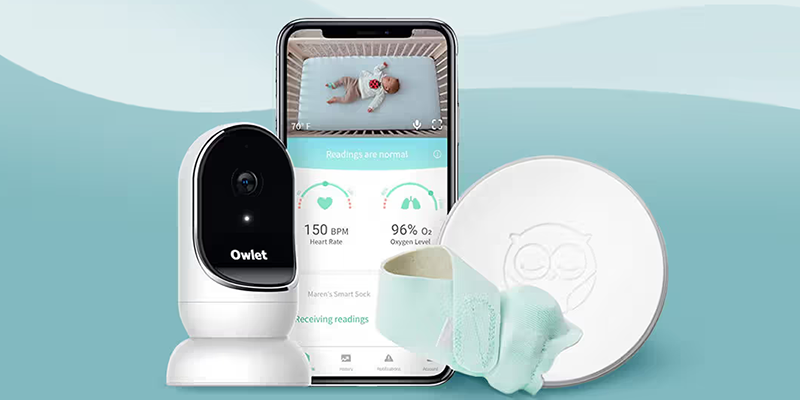
Wearable monitors, like the famous Owlet Dream Sock, are popular because they provide a direct reading of your baby's vitals—these function as a baby heart rate and Breathing monitor, all in one. Because the sensor is in contact with the skin, it's generally very accurate at detecting the pulse. If you are the type of parent who needs to see a specific number—like 125 BPM—to feel calm, a wearable is likely your best bet.
On the other hand, non-contact monitors are perfect for babies who hate having things attached to their feet or waist. Devices like the Nanit Pro or the Miku Pro use computer vision or radar. The camera sees the subtle movement of the baby's chest or the pattern on a special swaddle. These Breathing monitors for newborns are great because there are no batteries to charge on the sensor itself, and you don't have to worry about a sensor falling off in the middle of the night and triggering a false alarm (the dreaded blue or yellow alert).
The Science Of The Sock: How A Baby Heart Rate Monitor Works
It sounds like magic, but the tech inside a baby heartbeat monitor is actually quite established. Most wearables use something called Pulse Oximetry. If you've ever had a little plastic clip put on your finger at the doctor's office, you've used it.
A small light shines through the skin, and a sensor measures how much light the blood absorbs. This tells the device two things: how fast the heart is beating and how much oxygen is in the blood. For a baby heart beat monitor, this is the gold standard for data.
However, there is a catch. These sensors need a snug fit. If the sock is too loose, the light leaks out, and the base station will start chirping. If you choose a wearable, make sure you follow the sizing guides strictly. Most brands provide different sock sizes as your baby grows, usually covering them from birth up to about 18 months.
Camera-Based Breathing Monitors For Newborns
If you don't want to mess with socks or buttons, a camera-based sleep monitor is a game-changer. These devices use incredibly sensitive software to track physical movement.
- Nanit: This system uses a specific Breathing Band with a unique geometric pattern. The camera tracks that pattern as it moves up and down with the baby's breath. It's simple, has no electronics touching the baby, and provides a very reliable baby tracker for sleep patterns.
- Miku: This one is even more high-tech. It uses SensorFusion technology (essentially a form of radar) to detect respirations without the baby needing to wear anything—no special swaddle required. It can track Breathing through blankets and even in total darkness.
The benefit here is the all-in-one nature. You get a high-definition video feed, two-way audio, and a baby Breathing monitor without adding extra steps to your already hectic bedtime routine.
Why You Might Want An Under-Mattress Sensor
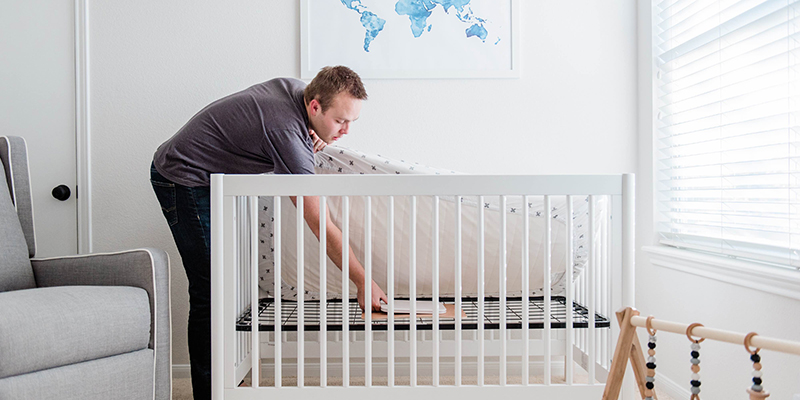
Before cameras got smart, we had the movement pad. Brands like Angelcare or Babysense use piezoelectric sensors. These are thin, flat pads that you slide under the crib mattress.
They don't track heart rate, but they are incredibly sensitive to the tiny vibrations of a baby Breathing. If the pad doesn't detect any movement for 20 seconds, an alarm sounds. These are often the most affordable Breathing monitors for newborns. They are set-it-and-forget-it devices. You don't need a smartphone, you don't need Wi-Fi, and there are no hacking concerns because the system is hardwired.
If you live in an area with spotty internet, a hardwired pad-and-monitor system is much more reliable than a Wi-Fi-dependent smart baby monitor.
Dealing With The Dreaded False Alarm
Ask any parent who has used a sleep monitoring device, and they will tell you about the False Alarm. This is when the monitor goes off at 3:00 AM, your heart stops, you sprint to the nursery, and find your baby... peacefully sleeping.
False alarms usually happen for three reasons:
- Poor Fit: The wearable sock or clip shifted while the baby was kicking.
- The Edge Problem: The baby rolled to the very corner of the crib, away from the under-mattress sensor or out of the camera's field of view.
- Network Lag: Your Wi-Fi dipped, causing the app to think it lost the signal from the baby heart rate monitor.
To minimize these, ensure the nursery has a strong Wi-Fi signal (consider a mesh router) and always double-check the sensor's placement during your last check-in of the night. It's better to spend 30 seconds adjusting a sock than to be woken up by a siren for no reason.
Using A Baby Tracker To Improve Sleep Quality
Most modern monitors do more than monitor for emergencies; they act as comprehensive baby trackers. They log when your baby fell asleep, how many times they woke up, and how long it took them to settle back down.
By looking at this data over a week, you might notice patterns. Maybe your baby sleeps better at 68 degrees than at 72. Or perhaps they have a false start every night at 8:00 PM because the neighbor's dog starts barking. Using a sleep monitor as a data tool helps you make small adjustments that lead to longer stretches of sleep for everyone in the house.
Practical Recommendations: Which One Should You Buy?
Choosing the right smart baby monitor depends on your specific fears and your lifestyle.
- The Data-Driven Parent: Go for the Owlet Dream Sock. Having the heart rate and oxygen levels on your phone is the ultimate peace of mind. It's the closest thing to a hospital-grade baby heartbeat monitor you can get for home use.
- The Minimalist Parent: Go for the Nanit Pro. It's a fantastic camera first, and the Breathing tracking is a bonus that doesn't require charging extra batteries or putting sensors on the baby's skin.
- The Budget-Conscious Parent: Look at the Babysense 7. It's a non-Wi-Fi movement monitor that uses two pads under the mattress. It's reliable, private, and much cheaper than the high-tech AI cameras.
- The On-the-Go Parent: The Snuza Hero is a tiny device that clips directly onto the diaper. It doesn't need a base station or a phone, making it the best baby Breathing monitor for travel or napping at grandma's house.
Safety First: Monitors Are Tools, Not Babysitters
Please remember that no baby heart rate monitor or movement sensor is a medical device. They are designed to give you information, not to prevent SIDS (Sudden Infant Death Syndrome) on their own.
The best way to keep your baby safe is to follow the ABC rules: Alone, on their Back, in a Crib. A smart baby monitor is an extra layer of security, like a car seatbelt. It's there to alert you if something is wrong, but it doesn't replace safe sleep practices. Always ensure the crib is free of blankets, pillows, and bumpers, regardless of how many sensors you have active.
Making The Final Decision
Investing in a sleep monitoring device is really about investing in your own mental health. If having a baby heartbeat monitor allows you to actually fall asleep instead of hovering over the bassinet, it is worth every penny.
Consider your home's layout, your Wi-Fi reliability, and whether you prefer a wearable or a camera. Once you have your monitor set up, take a deep breath. You've done the work to create a safe environment. Now, let the technology do its job so you can finally get the rest you need to be the best parent possible tomorrow morning. Sleep well!
Pregnancy
10 Best Tips for a Healthy and Happy Pregnancy
January 19, 2026

Family lifes
Stress-Free Family Vacation Ideas You Can Trust: Insider Tips Included
December 26, 2025

Kids
Best Math Apps for Kindergartners: Fun, Engaging, and Educational
October 22, 2025
Baby
12 Baby Care Mistakes Most New Parents Make (And How to Fix Them)
October 22, 2025