Why Your Baby Won’t Stop Crying and What Each Cry Really Means
Baby|February 21, 20267 Critical Signs Your Parenting Style Is Stressing Your Child Out
Family lifes|October 22, 2025How to Get Your Baby to Sleep Through the Night: Expert-Backed Tips
Baby|October 20, 2025How to Foster Social Skills in Kids
Kids|October 20, 2025Healthy First Foods for Babies Starting Solids
Baby|October 9, 2025A Parent’s Guide to the Best Phone Plan for Kids
Kids|October 7, 2025How Stress Can Affect Your Body While Pregnant: 12 Signs to Watch
Pregnancy brings incredible changes to your life, but when stress becomes overwhelming, your body sends clear warning signals. Understanding these signs can protect both you and your developing baby from serious complications.
Many expectant mothers experience some level of anxiety during pregnancy. However, when stress becomes chronic or intense, it triggers physiological changes that affect your health. Recognizing the physical manifestations of pregnancy stress allows you to seek help before complications develop.
Physical Signs of Pregnancy Stress
Persistent Headaches and Migraines
Stress hormones during pregnancy can trigger frequent headaches that don't respond to typical remedies. These headaches often accompany tension in your neck and shoulders as your body remains in a heightened state of alert. When cortisol levels spike, blood vessels constrict and expand irregularly, causing throbbing pain that disrupts your daily activities.

Sleep Disturbances and Insomnia
Your racing mind keeps you awake at night, preventing the rest your body desperately needs. Pregnancy stress intensifies natural sleep difficulties caused by physical discomfort and hormonal fluctuations. Women experiencing high stress levels report waking multiple times throughout the night, struggling to fall back asleep despite exhaustion.
Digestive Problems and Appetite Changes
Stress affects your digestive system dramatically during pregnancy. You might lose your appetite completely or find yourself overeating as a coping mechanism. Nausea becomes more severe, morning sickness intensifies, and you may experience persistent stomach upset beyond typical pregnancy discomfort. These digestive issues prevent proper nutrient absorption, potentially leading to inadequate weight gain or excessive weight gain.
Cardiovascular Warning Signs
Elevated Blood Pressure
Pregnancy stress can cause your blood pressure to climb to dangerous levels. When stress hormones flood your system repeatedly, your blood vessels constrict, forcing your heart to work harder. This condition puts you at risk for developing gestational hypertension, a serious complication affecting both maternal and fetal health.
Continuous high blood pressure during pregnancy may progress to preeclampsia, characterized by protein in your urine and organ damage. Women with chronic stress face significantly higher risks of these complications compared to those managing stress effectively.
Racing Heart and Palpitations
Your heart pounds rapidly, even during rest or light activity. Stress triggers your fight-or-flight response, causing your cardiovascular system to work overtime. These palpitations feel alarming and contribute to increased anxiety, creating a cycle that's difficult to break without intervention.
Chest Discomfort
Tightness in your chest signals that stress is taxing your cardiovascular system beyond normal pregnancy demands. While pregnancy naturally increases blood volume and cardiac output, stress amplifies these changes to unhealthy levels. This sensation should never be ignored, as it indicates your body is struggling to cope.
Metabolic and Immune System Effects
Increased Risk of Gestational Diabetes
Chronic stress during pregnancy affects how your body processes glucose. When stress hormones remain elevated, they interfere with insulin function, potentially triggering gestational diabetes. This condition requires careful management to prevent complications for both mother and baby, including increased birth weight and future health risks.
Research demonstrates that stress-related hormonal changes contribute to glucose intolerance during later pregnancy weeks. Women under significant stress show higher blood sugar levels and greater difficulty maintaining healthy glucose readings throughout their pregnancy.
Immune Response
Your immune system becomes compromised when stress persists throughout pregnancy. Scientists have found that elevated cortisol suppresses immune function, making you more susceptible to infections, colds, and illnesses. During pregnancy, this vulnerability poses risks not only to you but also to your developing baby.
Frequent infections during pregnancy may trigger inflammatory responses that affect fetal development and increase the likelihood of preterm labor. Your body's reduced ability to fight off pathogens creates additional health challenges during an already demanding time.
Musculoskeletal Symptoms
Chronic Muscle Tension and Pain
Stress causes your muscles to remain constantly contracted, leading to persistent aches throughout your body. Your shoulders stay hunched, your jaw clenches without conscious thought, and back pain intensifies beyond typical pregnancy discomfort. This tension restricts blood flow to muscles, creating painful knots and trigger points.
Muscle aches from stress differ from normal pregnancy aches because they don't improve with rest or position changes. The tension originates from your nervous system's stress response rather than from physical strain or the weight of your growing baby.
Teeth Grinding
Many stressed pregnant women grind their teeth during sleep, often without awareness. This condition, called bruxism, damages tooth enamel and causes jaw pain that radiates to your head and neck. The grinding represents your body's attempt to release built-up tension during rest periods.
Neurological and Sensory Changes
Vision Problems and Dizziness
Stress-related high blood pressure can affect your vision, causing blurred sight or seeing spots. These symptoms require immediate medical attention, as they may indicate preeclampsia or other serious complications. Dizziness accompanies these vision changes as your cardiovascular system struggles to maintain adequate blood flow to your brain.
Your eyes might feel strained, and you may experience difficulty focusing on tasks. These visual disturbances worsen when you're tired or after periods of intense stress, signaling that your body needs relief.

Difficulty Concentrating
Mental fog becomes overwhelming when pregnancy stress affects your brain function. You forget appointments, lose track of conversations, and struggle to complete simple tasks. This cognitive impairment results from chronically elevated cortisol levels interfering with brain regions responsible for memory and executive function.
Behavioral and Emotional Indicators
Increased Irritability and Mood Swings
Your emotional responses become exaggerated beyond normal pregnancy mood fluctuations. Small inconveniences trigger disproportionate anger or tears, and you find yourself snapping at loved ones without provocation. This heightened reactivity reflects your nervous system operating in overdrive.
Stress amplifies the hormonal mood changes inherent to pregnancy, creating emotional volatility that affects your relationships and daily functioning. Healthcare providers recognize this pattern as a warning sign that stress management strategies are necessary.
Social Withdrawal
You avoid friends, skip social gatherings, and prefer isolation when stress becomes overwhelming. This withdrawal represents your mind's attempt to reduce stimulation and demands. However, isolation often worsens stress by eliminating important support systems and healthy distractions.
Understanding the Stress-Pregnancy Connection
How Stress Hormones Affect Your Baby
When you experience stress, your body releases cortisol and other hormones that cross the placenta and reach your developing baby. Elevated maternal cortisol levels can affect fetal brain development, particularly in regions controlling stress response and emotional regulation. This exposure may influence your child's temperament and stress reactivity throughout their life.
Research shows that babies born to highly stressed mothers often display different behavioral patterns compared to those whose mothers managed stress effectively. They may be more difficult to soothe, show increased irritability, and exhibit heightened sensitivity to environmental stimuli.
Risk Factors for Pregnancy-Related Complications
Chronic stress significantly increases your chances of preterm birth, delivering before 37 weeks of gestation. Women experiencing prolonged stress deliver low-birthweight babies more frequently than those with managed stress levels. These complications arise because stress hormones trigger inflammatory responses and interfere with normal placental function.
The relationship between stress and pregnancy complications operates through multiple pathways. Stress suppresses your immune system, promotes unhealthy eating patterns, disrupts sleep quality, and encourages harmful coping mechanisms. Each of these factors independently contributes to adverse pregnancy outcomes, and their combined effect substantially elevates risk.
When Stress Becomes Dangerous
Recognizing Emergency Warning Signs
Certain symptoms demand immediate medical attention regardless of your stress levels. Severe headaches that don't improve with rest, sudden visual changes, intense abdominal pain, or significant swelling in your face and hands all indicate potential preeclampsia or other serious conditions requiring urgent care.
Difficulty breathing, chest pain that persists, or feeling faint warrant emergency evaluation. While stress can cause mild versions of these symptoms, sudden or severe presentations may signal life-threatening complications that need immediate intervention.
The Impact on Pregnancy Outcomes
Unmanaged pregnancy stress affects both immediate and long-term health outcomes. Beyond increasing risks for preterm birth and low birth weight, chronic stress may contribute to developmental differences in your child that persist through childhood and adolescence. These effects include attention difficulties, behavioral challenges, and increased susceptibility to anxiety disorders.
Your own health faces consequences as well. Women who experience high stress during pregnancy show elevated risks for cardiovascular disease, diabetes, and hypertension in later life. The physiological changes triggered by chronic stress don't always resolve after delivery, potentially setting the stage for future health problems.
Effective Stress Management Strategies
Physical Activity and Movement
Regular exercise approved by your healthcare provider helps regulate stress hormones and improve overall well-being. Walking, swimming, and prenatal yoga classes provide both physical and mental benefits. Movement releases endorphins that naturally counteract stress effects while strengthening your body for labor and delivery.
Even gentle stretching throughout the day helps release muscle tension and improves circulation. The key involves consistency rather than intensity, as moderate activity performed regularly provides greater stress reduction than occasional vigorous exercise.
Nutrition and Hydration
Eating small, frequent meals maintains stable blood sugar levels and prevents stress-related appetite fluctuations. Focus on whole foods rich in nutrients that support both your health and fetal development. Avoid excessive caffeine and processed foods that can worsen anxiety symptoms and contribute to energy crashes.
Proper hydration supports every bodily function and helps flush stress hormones from your system. Many women mistake dehydration symptoms for stress responses, so maintaining adequate fluid intake throughout the day becomes essential for accurate self-assessment.

Building Support Networks
Connecting with other expectant mothers provides validation and practical advice for managing pregnancy challenges. Support groups, whether in-person or online, create communities where you can share experiences without judgment. These relationships often continue beyond pregnancy, providing lasting friendships and parenting resources.
Don't hesitate to ask family members and friends for specific help with tasks that feel overwhelming. Most people genuinely want to assist but don't know what you need. Clear requests for grocery shopping, meal preparation, or help with household chores allow loved ones to provide meaningful support.
Professional Mental Health Support
Therapy provides a safe space to process fears, develop coping strategies, and address underlying anxiety or depression. Cognitive-behavioral therapy, in particular, helps identify thought patterns that worsen stress and teaches practical techniques for managing overwhelming emotions. Many therapists specialize in perinatal mental health and understand the unique challenges of pregnancy.
Some women benefit from medication management when stress reaches levels that threaten pregnancy health. Your healthcare provider can discuss safe options for managing severe anxiety or depression during pregnancy, weighing benefits against any potential risks to ensure optimal outcomes for both you and your baby.
Creating a Stress-Reduction Plan
Daily Relaxation Practices
Incorporating relaxation techniques into your daily routine helps reset your stress response system. Deep breathing exercises, progressive muscle relaxation, and guided imagery require only minutes but provide significant benefits. These practices work by activating your parasympathetic nervous system, which counteracts stress-induced physiological changes.
Meditation apps designed for pregnancy offer guided sessions addressing specific concerns like sleep difficulties, birth anxiety, and body image issues. Regular practice strengthens your ability to calm yourself during stressful moments, building a skill that proves valuable during labor and beyond.
Environmental Modifications
Reducing external stressors creates space for better stress management. This might involve delegating work responsibilities, simplifying your schedule, or setting boundaries with demanding relationships. While you can't eliminate all stress sources, identifying controllable factors allows strategic modifications that ease your overall burden.
Creating a calm home environment supports stress reduction efforts. Dim lighting in the evening, comfortable resting spaces, and limiting news consumption before bed all contribute to a more peaceful atmosphere that promotes relaxation and better sleep quality.
Monitoring Your Stress Levels
Keeping a Symptom Journal
Tracking your symptoms helps identify patterns and triggers that worsen pregnancy stress. Note physical symptoms, emotional responses, and circumstances surrounding stress episodes. This information proves valuable when discussing concerns with your healthcare provider and helps measure whether stress management strategies are working effectively.
Journaling also provides an emotional outlet for processing fears and worries. Writing about your experiences often brings clarity and reduces the mental burden of carrying anxieties alone.
Regular Communication with Healthcare Providers
Discuss stress openly during prenatal appointments rather than dismissing it as a normal pregnancy experience. Your provider needs accurate information about your mental and emotional state to assess overall pregnancy health comprehensively. Honest communication enables appropriate interventions before stress leads to serious complications.
Schedule additional appointments if stress symptoms worsen between regular visits. Don't wait until your next scheduled checkup if you notice concerning changes in your physical or emotional health. Early intervention prevents minor issues from developing into major problems.
Moving Forward with Confidence
Managing pregnancy stress protects both your immediate well-being and your baby's long-term development. Recognizing the physical signs that stress is affecting your body empowers you to seek help before complications develop. Remember that asking for support demonstrates strength rather than weakness, and prioritizing your mental health benefits everyone in your growing family.
Every pregnancy brings unique challenges, and stress responses vary from person to person. What matters most is acknowledging when stress exceeds normal levels and taking active steps to address it. With proper support, effective coping strategies, and regular monitoring, you can navigate pregnancy stress successfully and enjoy this transformative time in your life.
Sources
Baby
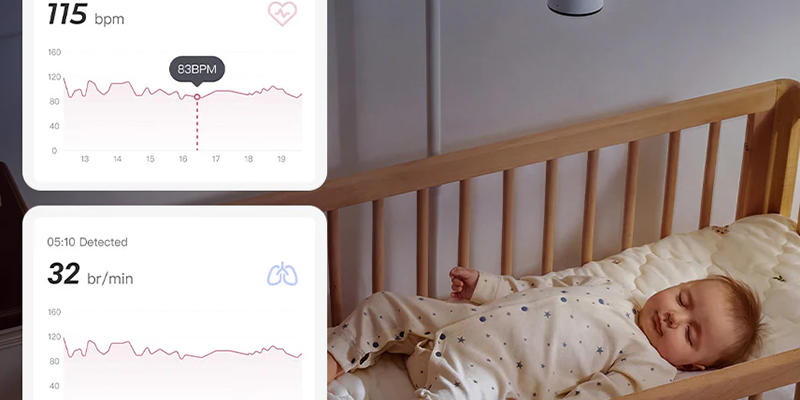
Baby Sleep Monitor With Heart Rate Alerts: Keep Your Baby Safe Overnight
March 2, 2026

Baby
5 Signs Your Baby’s Skin Barrier Is Damaged (And Which Creams Help Fast)
March 1, 2026

Pregnancy
High-Protein Foods to Support Your Baby's Brain Development
January 6, 2026

Baby
5 Daily Routines That Make Caring for a Newborn Easier
October 1, 2025