That Messy Room? ADHD Is Running The Show Behind It
Kids|March 19, 2026Soft Structured Vs. Wrap Vs. Hip Seat: Which Baby Carrier Fits You
Baby|March 10, 2026The Truth About Morning Sickness and How to Actually Survive It
Pregnancy|February 17, 2026Comparing the Top 5 Organic Baby Formulas for Sensitive Stomachs
Baby|January 1, 2026Safe Exercises That Support a Healthy Pregnancy: Your Complete Guide
Pregnancy|December 28, 2025Tips For Managing Screen Time For Kids
Kids|October 17, 2025Safe Skincare And Beauty Products During Pregnancy
Pregnancy is a time when everything in your body changes. This includes your skin. Suddenly, you might have skincare issues like acne, dryness, hyperpigmentation, or stretch marks.
At the same time, you will see warnings everywhere about certain skincare lotions, serums, or beauty products you should stop using when you are pregnant. This can be confusing. But you can have a skincare routine that feels good and is safe for your baby. Here are some safe skincare and beauty products that you can use during pregnancy.
But first, let us understand how skin changes during pregnancy.
What Happens to Your Skin During Pregnancy
Hormonal Shifts: Hormones like estrogen and progesterone change levels. This can lead to oilier skin or sudden breakouts.
Increased Sensitivity: Increased blood flow within the body can make your skin more sensitive. There will be more flushing, more reactions to strong scents, and a greater likelihood of irritation.
Pigmentation & Elasticity: Skin may get darker due to pigmentation and melasma. It will stretch more easily and lose moisture quickly.
Beauty Product Ingredients to Avoid During Pregnancy
Dermatologists and researchers have widely agreed upon certain beauty product ingredients that should not be used during pregnancy because of risks to the fetus or lack of safety data.
-
Retinoids (Retinol, Tretinoin, Oral Vitamin A): Found in anti-aging serums and acne treatments. There is strong evidence of birth defects (teratogenic effects); these are not safe during pregnancy.
-
Hydroquinone: Used in skin lighteners and dark spot creams. It has a high absorption rate, and there is not enough data to prove safety.
-
High-dose Salicylic Acid: Often found in peel treatments and large leave-on exfoliants. While small concentrations in cleansers are safer, high doses should be avoided.
-
Chemical Sunscreens (Oxybenzone, etc.): Some filters may disrupt hormones. Mineral-based filters are considered much safer.
-
Potent Essential Oils (Sage, Rosemary, etc.): These can cause skin sensitivity or possible systemic effects; avoid these, especially during the first trimester.
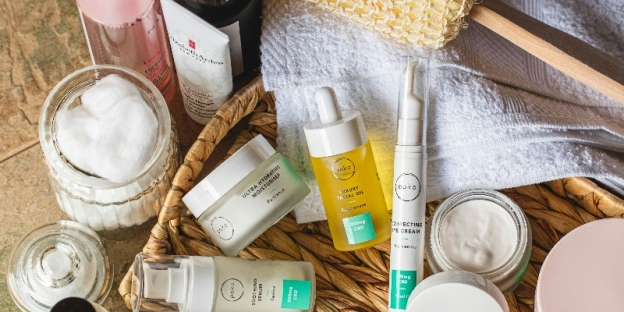
Safe Ingredients & Friendly Skincare Alternatives During Pregnancy
These ingredients are generally considered to be safer during pregnancy, and many dermatologists recommend them to address common skin concerns without risk.
Hyaluronic Acid – It is excellent for hydration. It supports skin moisture and elasticity.
Vitamin C – It is an antioxidant. It helps with brightening up skin and reducing pigmentation (like melasma).
Niacinamide – It has a calming effect. It helps control oil/sebum. It is good for acne and sensitive skin.
Azelaic Acid – This reduces inflammation. It is helpful for acne or rosacea and reduces dark spots.
Gentle exfoliating acids like Glycolic Acid, Lactic Acid, Mandelic Acid in low concentrations (<10%) – good for dullness or texture.
Mineral sunscreens – using zinc oxide/titanium dioxide to protect from UV without risky chemical filters.
Moisturizers with ceramides, glycerin, shea butter, etc. – They can strengthen sthe kin barrier, reduce dryness & stretch marks.
Targeted Solutions for Common Pregnancy Skin Concerns
Knowing which ingredients to avoid is the first step, but knowing how to treat specific issues effectively creates a truly helpful routine:
-
For Pregnancy Acne: Since Retinoids are off-limits, look for products containing Azelaic Acid or Niacinamide. These are powerhouses for calming redness. You can also use low-concentration Glycolic Acid pads once or twice a week to keep pores clear.
-
For Melasma (The "Mask of Pregnancy"): Beyond strict mineral sun protection, use a Vitamin C serum every morning. Vitamin C inhibits melanin production and protects against environmental damage that darkens spots.
-
For Dehydration: As your body directs fluids to your baby, your face might feel parched. Hyaluronic Acid acts like a sponge, holding moisture in. Apply it to damp skin before your moisturizer for maximum effect.
The "Less is More" Pregnancy Skincare Routine
When your skin is reactive and your energy is low, a simple routine is often most effective.
-
Morning (Protect): Cleanse with a soap-free, pH-balanced cleanser, apply a Vitamin C serum to fight pigmentation, and finish with a Mineral SPF 30+.
-
Evening (Repair): Double cleanse to remove mineral sunscreen, apply Azelaic Acid or a gentle hydrating serum, and use a thicker moisturizer containing Shea Butter or Ceramides.
-
Body Care: Massage your belly and hips with a safe body butter or oil to support skin elasticity and reduce stretch marks.
Safety Tips for Using Beauty Products During Pregnancy
-
Patch Test First: Use new products on a small skin area (like the inner arm) first, as sensitivity can change during pregnancy.
-
Keep it Simple: Select beauty products with fewer actives and gentler formulas. Avoid mixing too many strong treatment products.
-
Check for Fragrance: Always check labels for strong perfumes or essential oils that may trigger nausea or irritation.
-
Consult Professionals: Before using prescription treatments, talk with your obstetrician or dermatologist. Avoid aggressive chemical peels or laser treatments in early pregnancy.
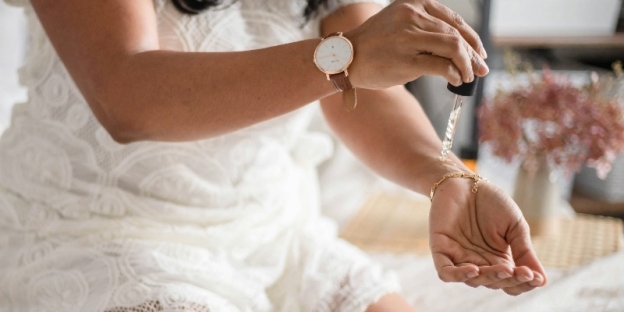
Safe Skincare and Beauty Products For Pregnant Women
Based on expert reviews, here are some popular and well-rated pregnancy-safe products that combine safety and effectiveness.
Remember, these are suggestions. You should always double-check ingredients. See what feels right for your skin.
1. La Roche-Posay Anthelios Mineral SPF 50
La Roche-Posay is a dermatologist-favorite brand. The Anthelios Mineral SPF 50 is ideal for moms-to-be.
Instead of chemical filters, it uses zinc oxide and titanium dioxide to shield your skin from UV rays. These are safe for pregnancy. It is also lightweight, blends smoothly, and is gentle enough even for sensitive skin.
This sunscreen is also recommended for preventing pregnancy melasma. It is a common concern caused by hormonal changes.
2. COOLA Organic Mineral Sunscreen SPF 50
COOLA’s mineral sunscreen is certified organic, reef-safe, and free of oxybenzone or octinoxate. These are two ingredients pregnant women are advised to avoid.
It feels weightless. It does not leave a heavy white cast and hydrates with natural antioxidants. Many women like it for everyday use under makeup for pregnant women. It doubles as both sun protection and skincare.
3. Bio-Oil Skincare Oil
A popular choice worldwide for the skincare of pregnant women is Bio-Oil. It is often used to support skin elasticity and reduce the appearance of stretch marks during pregnancy.
Its formula includes plant extracts and vitamins. They nourish the skin deeply. However, because it contains retinyl palmitate (a vitamin A derivative), it’s best to check with your doctor before regular use. Many moms still find it useful when applied sparingly to areas like the belly, thighs, and breasts.
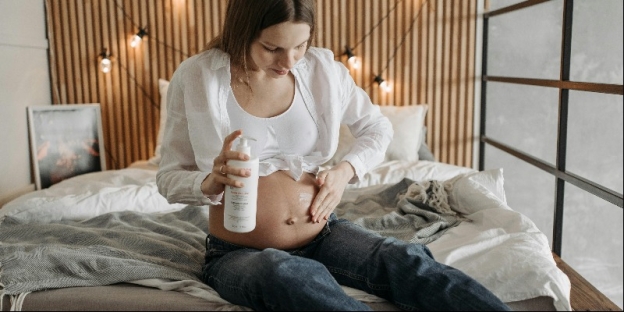
4. Evereden Sheer Botanical Facial Sunscreen SPF 30
Evereden is a mom-founded brand. It specializes in safe skincare for pregnancy and postpartum. Their Sheer Botanical Sunscreen uses non-nano zinc oxide. It blends in beautifully without leaving a greasy residue.
It is free of parabens, sulfates, and synthetic fragrances. This makes it especially good for pregnant women who experience extra-sensitive skin during pregnancy.
5. Babo Botanicals Sheer Mineral SPF 50
Babo Botanicals is known for mild plant-based formulas. Their Sheer Mineral SPF 50 provides broad-spectrum protection with non-nano zinc oxide. It is enriched with soothing botanicals like aloe vera.
Since it’s fragrance-free and hypoallergenic, it’s safe for pregnant women with skin sensitivities or allergies.
It’s also water-resistant. This makes it good for outdoor activities.
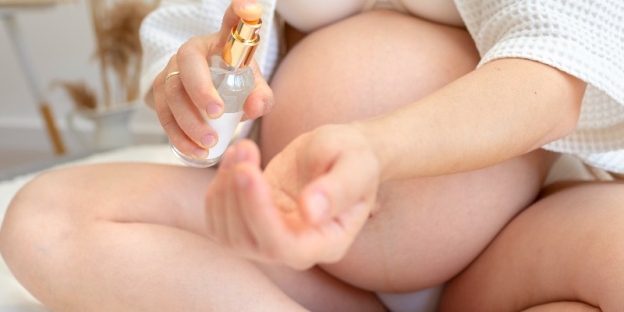
Beauty Devices and Treatments: What’s Safe?
Many women wonder if they can continue using their favorite beauty gadgets. While topical skincare is the focus, professional treatments and home devices require caution:
LED Light Therapy: Generally considered safe for pregnancy as it is non-invasive and does not use UV light. Blue light is great for acne, and Red light helps with collagen.
Microcurrent & Ultrasonic Devices: Most experts recommend pausing the use of devices that send electrical currents through the body (like NuFace) due to a lack of safety studies on pregnant women.
Professional Facials: Opt for gentle "Oxygen Facials" or manual extractions rather than deep chemical peels or aggressive procedures.
Have Beautiful and Glowing Skin
Being pregnant does not mean you have to give up all your skincare pleasures.
Instead, you can swap risky ingredients. Substitute them for safer alternatives. This lets you keep glowing and feeling good without unnecessary worry. A gentle routine with good cleansers, moisturizers, sunscreen, and pregnancy-safe products can keep your skin healthy, hydrated, and radiant.
Always listen to your body, and when in doubt, ask a healthcare or skin specialist.

Family lifes
How to Get Your Child Off Video Games Without Daily Arguments
February 28, 2026

Kids
6 Simple Ways to Boost Your Child's Attention Span
January 15, 2026

Family lifes
Why Your Child's "Sorry" Might Not Be Real: Helping Kids Feel Empathy
December 27, 2025

Family lifes
7 Critical Signs Your Parenting Style Is Stressing Your Child Out
October 22, 2025