How to Choose Between an Infant and a Convertible Car Seat
Baby|March 25, 2026The Truth About Morning Sickness and How to Actually Survive It
Pregnancy|February 17, 2026Tips For Managing Screen Time For Kids
Kids|October 17, 2025Newborn Skin, Breathing, and Sleep: 8 Things Every New Parent Should Know
Baby|October 14, 2025Effective Ways To Improve Sleep During Pregnancy
Pregnancy|October 7, 2025Breastfeeding Basics: Essential Tips For First-Time Moms
Pregnancy|September 29, 2025Proven Ways to Reduce Back Pain During Pregnancy and Stay Comfortable
Pregnancy brings incredible joy, but it often comes with an unwelcome companion: back pain. Nearly 50 to 70 percent of expectant mothers experience some form of back discomfort as their bodies undergo remarkable changes to accommodate their growing baby.
The good news is that back pain during pregnancy doesn't have to steal your happiness or limit your daily activities. Understanding why it happens and learning effective relief strategies can help you enjoy this special time while keeping discomfort manageable. From simple posture adjustments to targeted exercises, numerous practical solutions can provide meaningful relief.
Why Pregnancy Causes Back Pain
Physical Changes That Affect Your Spine
Your body undergoes dramatic transformations during pregnancy that directly impact your back. As your uterus expands, your center of gravity shifts forward, causing your spine to curve more than usual. This increased lumbar curvature, called lordosis, places extra strain on your lower back muscles and ligaments.

Weight gain during pregnancy, while completely normal and necessary, adds additional stress to your spine and joints. Most women gain between 25 to 35 pounds, and this extra weight increases pressure on blood vessels and nerves in your pelvis and back.
Hormonal Factors Contributing to Discomfort
Your body produces a hormone called relaxin that loosens the ligaments in your pelvic area to prepare for childbirth. While this is essential for delivery, relaxin also affects ligaments throughout your body, including those supporting your spine. This increased ligament laxity can lead to instability and pain in your back and pelvis.
Progesterone levels also rise significantly during pregnancy, which can contribute to muscle fatigue and make it harder for your back muscles to support your changing body effectively.
Practice Proper Posture Throughout Your Day
Standing Posture Techniques
Maintaining correct posture is one of the most effective ways to prevent and reduce back pain during pregnancy. When standing, keep your shoulders back and relaxed, not rounded or hunched forward. Your chest should be lifted, and you should avoid locking your knees.
Distribute your weight evenly on both feet rather than shifting to one side. If you must stand for extended periods, place one foot on a low stool and alternate feet regularly. This simple adjustment reduces strain on your lower back significantly.
Sitting Position Guidelines
Choose chairs with good back support and avoid soft couches that allow you to sink in. Sit with your back straight against the chair, and place a small pillow or rolled towel behind your lower back for additional lumbar support. Your feet should rest flat on the floor or on a footrest.
When working at a desk, position your computer screen at eye level to prevent neck strain. Take breaks every 30 minutes to stand, stretch, and walk around briefly. Prolonged sitting in one position increases back stiffness and discomfort.
Sleeping Positions for Back Relief
Your sleeping position plays a crucial role in managing back pain. Sleep on your side, preferably your left side, which improves circulation to your baby and reduces pressure on your liver. Place a pillow between your knees to keep your pelvis aligned and reduce strain on your lower back.
Consider using a pregnancy pillow that supports your entire body. These specially designed pillows provide support for your belly, back, and legs simultaneously. Avoid sleeping on your back after the first trimester, as this position can compress major blood vessels and worsen back pain.
Engage in Safe Pregnancy Exercises
Low-Impact Cardiovascular Activities
Regular exercise strengthens the muscles that support your spine and improves flexibility. Walking is an excellent low-impact option that most pregnant women can safely enjoy. Aim for 30 minutes of walking most days of the week, wearing supportive shoes with good arch support.
Swimming and water aerobics are particularly beneficial for back pain during pregnancy. The water supports your body weight, relieving pressure on your joints and spine while allowing you to move freely. Many communities offer prenatal water exercise classes designed specifically for expectant mothers.
Strengthening Exercises for Core Support
Strengthening your core muscles provides better support for your spine and can significantly reduce back pain. Pelvic tilts are safe and effective throughout pregnancy. While on your hands and knees, gently arch your back like a cat, then return to a neutral position. Repeat 10 times several times daily.
Modified planks performed against a wall or sturdy countertop help maintain core strength without putting excessive pressure on your abdomen. Hold the position for 10 to 15 seconds and gradually increase duration as your strength improves.
Stretching Routines for Flexibility
Gentle stretching relieves muscle tension and improves flexibility in your back muscles. The child's pose stretch from yoga is particularly soothing. Kneel on the floor with your knees wide apart, sit back on your heels, and extend your arms forward while lowering your chest toward the floor.
Hip flexor stretches also help alleviate back pain because tight hip flexors can pull on your lower back. Perform stretches slowly and never push into pain. Hold each stretch for 20 to 30 seconds and breathe deeply to enhance relaxation.
Use Proper Body Mechanics for Daily Activities
Lifting Techniques to Protect Your Back
Pregnancy significantly changes how you should approach lifting objects. Always bend at your knees, not your waist, when picking up items from the floor. Keep the object close to your body and use your leg muscles to stand up rather than straining your back muscles.
Avoid lifting heavy objects whenever possible during pregnancy. If you must lift something substantial, ask for help rather than risking injury. Never twist your body while holding something heavy, as this movement can strain your back muscles and ligaments.

Safe Reaching and Bending Methods
Reaching overhead repeatedly can strain your back muscles during pregnancy. Use a stable step stool to reach high items instead of stretching upward. When bending forward, support yourself by placing one hand on a counter or table to reduce strain on your lower back.
Getting in and out of bed requires special attention to avoid back pain. Sit on the edge of your bed first, then swing your legs up while lying down simultaneously. To get up, reverse this process by rolling onto your side, using your arms to push yourself up into a sitting position.
Apply Heat and Cold Therapy
When to Use Heat Treatment
Heat therapy relaxes tense muscles and increases blood flow to painful areas. A warm bath can provide significant relief from back pain during pregnancy. Keep the water temperature comfortable but not too hot, as overheating can be harmful during pregnancy.
Heating pads or warm compresses applied to your lower back for 15 to 20 minutes can ease muscle tension effectively. Many women find relief by applying heat before bed or after activities that typically trigger back pain. Always place a thin towel between the heat source and your skin to prevent burns.
Cold Therapy Benefits
Cold therapy reduces inflammation and numbs acute pain. Ice packs work well for sudden back pain or flare-ups. Wrap ice or a cold pack in a thin towel and apply it to the painful area for 10 to 15 minutes several times daily.
Some women find alternating between heat and cold provides the most relief. Try applying cold first to reduce inflammation, then follow with heat to relax muscles. Listen to your body and use whichever temperature brings you more comfort.
Wear Supportive Clothing and Accessories
Maternity Support Belts
Maternity support belts help redistribute the weight of your growing belly and provide external support to your lower back and abdominal muscles. These belts wrap around your lower back and under your belly, lifting upward to reduce strain on your spine.
Choose a belt that fits comfortably without being too tight and can be adjusted as your pregnancy progresses. Wear it during activities that typically trigger back pain, such as walking, standing for long periods, or doing housework. Organizations like Mayo Clinic provide guidance on selecting appropriate pregnancy support products.
Proper Footwear Selection
Your shoes play a surprising role in back pain during pregnancy. Avoid high heels, as they tilt your pelvis forward and increase the curve in your lower back. Completely flat shoes without arch support can also contribute to back pain by failing to absorb shock properly.
Choose shoes with low heels, good arch support, and cushioned soles. Many women find that athletic shoes or supportive walking shoes work best during pregnancy. Replace worn shoes that no longer provide adequate support, as this can worsen back discomfort.
Manage Your Weight Gain Appropriately
Healthy Weight Gain Guidelines
Gaining the appropriate amount of weight during pregnancy reduces unnecessary stress on your back. Women with normal pre-pregnancy weight should aim for 25 to 35 pounds total weight gain. Underweight women may need to gain more, while overweight women typically need to gain less.
Work with your healthcare provider to establish realistic weight gain goals based on your individual circumstances. Rapid or excessive weight gain increases back pain and can lead to other pregnancy complications. Gradual, steady weight gain is healthier for both you and your baby.
Nutritional Strategies
Eating a balanced diet supports healthy weight gain and provides nutrients your body needs to manage pregnancy-related changes. Focus on whole foods, including fruits, vegetables, lean proteins, whole grains, and healthy fats. These foods provide sustained energy and support muscle and bone health.
Calcium and vitamin D are particularly important for maintaining bone strength during pregnancy. Include dairy products, leafy greens, and fortified foods in your diet. Adequate protein intake supports muscle health and tissue repair, which can help your body better manage the physical demands of pregnancy.
Try Prenatal Massage Therapy
Benefits of Professional Massage
Prenatal massage specifically addresses the unique needs of pregnant women and can significantly reduce back pain. Trained massage therapists use techniques that are safe during pregnancy and focus on areas that commonly cause discomfort, including the lower back, hips, and shoulders.
Regular massage sessions improve circulation, reduce muscle tension, and promote relaxation. Many women find that massage helps them sleep better and reduces stress, which can indirectly help manage pain. Schedule massages with therapists certified in prenatal massage for optimal safety and effectiveness.
Self-Massage Techniques
Between professional sessions, you can practice simple self-massage techniques at home. Use a foam roller to gently massage your upper and middle back muscles. Roll slowly over tight areas, pausing on particularly tender spots for 20 to 30 seconds.
Ask your partner to massage your lower back using gentle, circular motions. A tennis ball placed between your back and a wall provides targeted pressure to specific tight spots. Move your body to roll the ball over tense muscles for temporary relief.

Consider Alternative Therapies
Acupuncture for Pain Management
Acupuncture has been used for centuries to manage various types of pain, including back pain during pregnancy. This traditional Chinese medicine practice involves inserting very thin needles into specific points on your body to promote healing and pain relief.
Research suggests that acupuncture may help reduce pregnancy-related back pain for some women. Choose an acupuncturist experienced in treating pregnant women, as certain acupuncture points should be avoided during pregnancy. Many women report feeling more relaxed and experiencing improved sleep after acupuncture sessions.
Chiropractic Care
Chiropractic adjustments can help realign your spine and pelvis, potentially reducing back pain during pregnancy. Chiropractors who specialize in prenatal care use techniques specifically modified for pregnant women, avoiding pressure on the abdomen and using specially designed tables.
Regular chiropractic care throughout pregnancy may improve pelvic alignment, which some practitioners believe can facilitate easier labor and delivery. Always inform your chiropractor about your pregnancy and consult your healthcare provider before beginning chiropractic treatment.
Modify Your Work Environment
Workplace Ergonomic Adjustments
If you work at a desk, making ergonomic adjustments can significantly reduce back pain during pregnancy. Adjust your chair height so your feet rest flat on the floor and your knees are level with or slightly lower than your hips. Position your computer monitor at eye level to prevent neck and upper back strain.
Use a document holder placed at eye level if you frequently reference papers while typing. This prevents repetitive neck bending that can contribute to upper back pain. Consider a standing desk converter that allows you to alternate between sitting and standing throughout the day.
Taking Regular Movement Breaks
Sitting or standing in one position for extended periods worsens back pain during pregnancy. Set a timer to remind yourself to change positions every 30 minutes. Stand up, walk around briefly, and perform gentle stretches to keep muscles from becoming stiff.
Simple stretches you can do at your desk include shoulder rolls, gentle neck stretches, and seated spinal twists. These movements take only a few minutes but can prevent the muscle tension that leads to back pain later in the day.
Practice Stress Reduction Techniques
Connection Between Stress and Pain
Stress causes muscle tension throughout your body, including your back muscles, which can worsen back pain during pregnancy. Chronic stress also increases inflammation and can lower your pain threshold, making you more sensitive to discomfort you might otherwise tolerate better.
Learning to manage stress effectively benefits your overall health during pregnancy and may reduce back pain intensity. Mental and physical health are deeply connected, so addressing emotional stress can have real physical benefits for your back pain.
Relaxation Methods
Deep breathing exercises activate your body's relaxation response and can help reduce muscle tension. Practice diaphragmatic breathing by breathing deeply into your belly rather than shallowly into your chest. Inhale slowly for four counts, hold briefly, then exhale for six counts. Repeat for several minutes whenever you feel stressed or notice back pain worsening.
Prenatal yoga combines gentle movement, stretching, and breathing techniques that reduce stress and strengthen muscles supporting your spine. Many communities offer prenatal yoga classes designed specifically for pregnant women. Meditation and guided imagery can also promote relaxation and may help you better manage pain sensations.
Know When to Seek Medical Attention
Warning Signs That Require Evaluation
While back pain during pregnancy is common, certain symptoms warrant immediate medical attention. Seek care if you experience severe back pain that doesn't improve with rest, back pain accompanied by fever, or sudden onset of severe pain. These symptoms could indicate serious conditions requiring prompt treatment.
Contact your healthcare provider if you have back pain along with vaginal bleeding, painful urination, numbness or tingling in your legs, or difficulty controlling your bladder or bowels. Back pain that radiates down one or both legs may indicate sciatica, which requires professional evaluation and treatment.
Treatment Options Your Doctor May Recommend
Your healthcare provider can evaluate your back pain and recommend appropriate treatments based on your specific situation. They may suggest physical therapy, where a trained therapist can teach you exercises and techniques specifically tailored to your needs and pregnancy stage.
In some cases, your doctor might recommend acetaminophen for pain relief, as it's generally considered safe during pregnancy when used as directed. However, always consult your healthcare provider before taking any medication during pregnancy. Resources like the Cleveland Clinic offer additional information about safe pain management during pregnancy.
Embracing Comfort Throughout Your Pregnancy Journey
Taking care of your back during pregnancy sets the foundation for better recovery after delivery and helps you maintain the strength and energy you'll need for caring for your new baby. The habits you develop now, including regular exercise, proper body mechanics, and stress management, will continue serving you well long after your pregnancy ends.
Sources
Baby
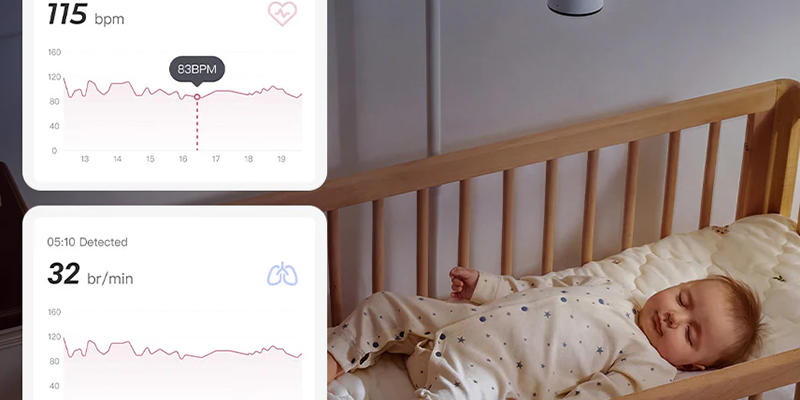
Baby Sleep Monitor With Heart Rate Alerts: Keep Your Baby Safe Overnight
March 2, 2026

Family lifes
How to Discipline Kids Without Fear or Punishment: A Complete Guide
October 20, 2025

Family lifes
Understanding the Concept of Helicopter Parenting
October 6, 2025

Baby
Safe Baby Sleeping Positions to Reduce Risk of SIDS
October 4, 2025