The Best and Safest Exercises During Pregnancy for Every Trimester
Pregnancy|February 20, 2026How To Create A Morning Routine That Keeps Your Family Stress-Free
Family lifes|February 8, 2026How Sleep Affects Child Growth and Immunity: A Parent’s Guide
Kids|February 7, 2026Top 10 Educational Toys for Kids: Learning Through Play
Kids|January 10, 2026High-Protein Foods to Support Your Baby's Brain Development
Pregnancy|January 6, 20266 Gentle Ways to Soothe a Crying Baby
Baby|October 18, 20255 Foods to Eat (and Avoid) During Pregnancy
The day I saw those two pink lines was full of excitement, joy, and a hundred questions. One of the first thoughts was: “What should I eat, and what should I avoid during pregnancy?” Suddenly, every craving made me second-guess myself. If you’re pregnant and wondering the same, this will help.
Some people think pregnancy means eating for two. But in reality, it should be eating smart. You should eat foods that support your baby’s growth. Things that keep you healthy along the way. Let’s walk through some of the best foods in pregnancy, what to skip, and how to build a healthy pregnancy diet plan you can actually enjoy.
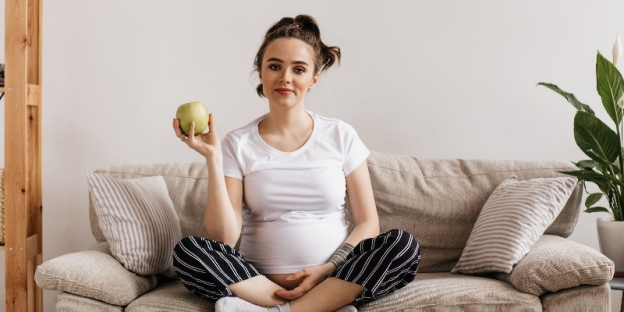
1. Iron-Rich Foods in Pregnancy
Fatigue and anemia are common in pregnancy. This is especially true in the second and third trimesters. You need energy boosters.
Iron helps your body make extra blood for your growing baby. It also keeps your energy levels steady. Around 40% of pregnant women worldwide are anemic, mainly due to iron deficiency. During pregnancy, your blood volume increases by nearly 50%, making iron non-negotiable for oxygen transport.
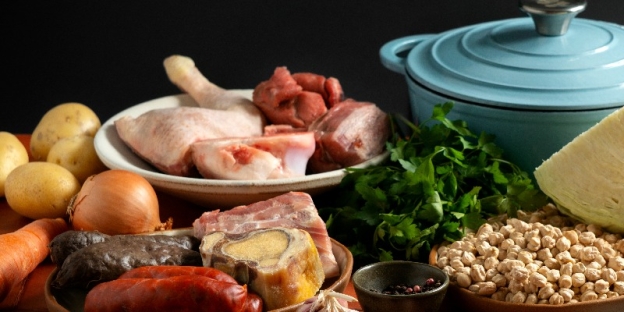
Iron- Rich Food Suggestions for Pregnancy Women
-
Heme Iron (Best Absorption): Lean red meat, chicken, and turkey.
-
Non-Heme Iron (Plant-Based): Lentils, chickpeas, beans, and pumpkin seeds.
-
Greens: Spinach and kale.
-
Fortified Foods: Iron-fortified cereals and whole-grain bread.
Tip: Pair iron foods in pregnancy with vitamin C-rich foods (oranges, bell peppers, or strawberries). Commercial Value Note: Avoid drinking tea or coffee within an hour of your iron-rich meals, as tannins can block iron absorption by up to 60%.
2. High-Fiber Foods in Pregnancy
Constipation is one of the most frustrating pregnancy symptoms. It happens thanks to hormonal changes (progesterone slows down the gut). The growing baby pressing on your digestive system causes further trouble.
Suggestions for High-Fiber Diet Food for Pregnant Women
-
Soluble Fiber: Oats, barley, and beans (helps stabilize blood sugar).
-
Insoluble Fiber: Whole grains (brown rice, quinoa), apples (with skin), and prunes.
-
Vegetables: Peas, lentils, and broccoli.
Tip: Remember to drink plenty of water alongside fiber rich foods in pregnancy. Fiber without hydration can actually worsen constipation. Aim for at least 8-10 glasses of water a day to keep the digestive "track" moving smoothly.
3. Protein-Rich Foods in Pregnancy
You need to eat things that fuel your baby’s growth. Protein is the building block for your baby’s brain, muscles, and tissues. Without enough proteins in your pregnancy diet plan, you might feel weak or notice slower growth in your baby bump.
Protein Foods to Add in Your Pregnancy Diet Plan
- Dairy & Eggs: Eggs (contain Choline, vital for brain health) and Greek yogurt.
- Lean Seafood: Fish (low-mercury options like salmon, which provides Omega-3 DHA).
- Plant Proteins: Tofu, tempeh, and lentils.
- Snacks: Almonds, walnuts, and pumpkin seeds.
Tip: Target for at least 60-75 grams of protein foods in pregnancy daily. Strategic Add-on: If you struggle with morning sickness, try cold protein sources like a Greek yogurt smoothie or chilled hard-boiled eggs, which often have a milder aroma.
4. Calcium & Fermented Foods
This is really important for strong bones and healthy digestion. Your baby needs calcium to build bones and teeth. If you do not eat foods with enough calcium, your body will pull it from your own stores. This will weaken your bones over time.
Foods with Calcium that can be Added to Pregnancy Diet
- Dairy: Milk, cheese, and pasteurized cottage cheese.
- Fortified Alternatives: Fortified plant-based milks like almond, soy, or oat milk.
- Fermented Foods (The Gut-Health Secret): Kefir, pasteurized yogurt, or kimchi (safe only when pasteurized). These help balance your microbiome, which may reduce the risk of infant eczema.
Tip: Calcium works best with vitamin D. Hence, make sure to take a little safe sunshine or check your Vitamin D levels with your doctor, as it’s essential for calcium absorption.
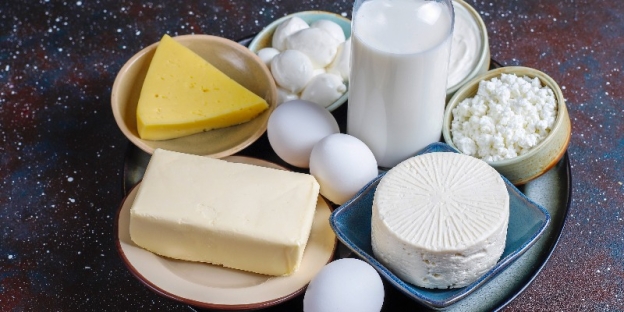
5. Safe & Healthy Foods to Include in Your Pregnancy Diet
Beyond specific pregnancy nutrients, a well-rounded pregnancy diet helps you stay energized and supports your baby’s overall development. A colorful plate is usually a nutritious plate.
What to eat:
-
Colorful fruits and veggies: Blueberries for antioxidants, sweet potatoes for Vitamin A.
-
Whole grains: Complex carbs for sustained energy.
-
Healthy fats: Avocado, extra virgin olive oil, and nuts (crucial for fetal brain development).
-
Lean proteins: Fuel for cell repair.
Tip: Eat some “real foods in pregnancy”. They should be minimally processed, nutrient-packed, and easy to digest. Focus on the "outer aisles" of the grocery store where fresh produce is kept.
What Foods to Avoid in Pregnancy?
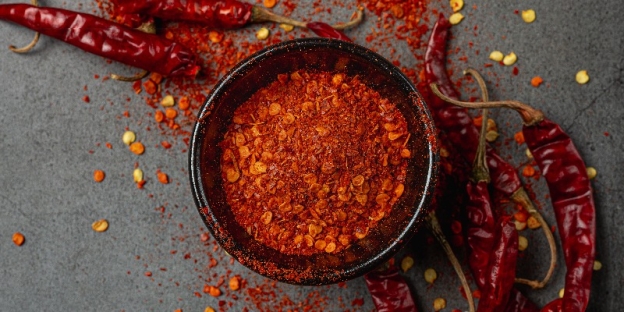
Spicy Foods
Spicy meals are not categorized as unsafe or harmful to the baby. However, they often trigger pregnancy symptoms like heartburn and acid reflux. This happens mostly in the third trimester when the baby crowds your stomach.
The Solution: If you are craving spice, try milder aromatics like ginger (which also helps with nausea), cumin, or coriander instead of heavy chili oils.
Sugary Foods
Craving sugary foods in pregnancy is not uncommon. It happens all too often due to energy dips. But do not fall for the "sweet trap."
-
The Risk: Too much sweetness in pregnancy can spike your blood sugar and increase the risk of gestational diabetes. and excessive birth weight.
-
The Swap: Swap candies for naturally sweet "whole" foods like dates (which some studies suggest can help with labor prep), berries, or a square of 70% dark chocolate.
Foods to Strictly Avoid in Pregnancy
Here’s a quick checklist of high-risk foods to avoid to prevent infections like Listeria or Salmonella:
Raw fish: Sushi, sashimi, or undercooked seafood.
Unpasteurized Dairy: Soft cheeses (like Brie or Feta) unless the label specifically says "made with pasteurized milk."
Undercooked Meat: Rare steaks or raw cookie dough (due to raw eggs).
Unpasteurized Liquids: Fresh-squeezed "raw" juices or raw milk.
High-Mercury Fish: Shark, swordfish, king mackerel, and tilefish.
Busting Pregnancy Food Myths
“High-calorie foods in pregnancy for baby boy” – Nope! Food can’t decide your baby’s gender. Gender is determined at conception.
“Natural foods to avoid pregnancy after sex” – Another myth. No food works as birth control or an emergency contraceptive.
“Eating for two means double the calories” – Actually, you only need about 340 extra calories in the 2nd trimester and 450 in the 3rd. That’s roughly the equivalent of a sandwich and an apple.
Best Nutrition for Pregnancy
Pregnancy is a beautiful journey of love and care. Sometimes it can also feel difficult. It can be challenging as well because of the symptoms and changing body conditions. Also you have to manage your food choices carefully to prevent long-term health issues.
A balanced pregnancy diet can significantly reduce the risk of complications such as gestational diabetes, preeclampsia, and high blood pressure. Research also shows that pregnant women who eat healthy foods are 30% less likely to deliver preterm.
The best approach is to stick to healthy, whole foods in pregnancy and avoid the risky ones. Always listen to your body—it often tells you exactly what it needs through specific cravings or aversions. Remember: no two pregnancies are the same, so always talk with your doctor or a prenatal nutritionist before making major diet changes.

Kids
7 Best Mattress for Kids Who Toss, Sweat, and Grow Fast
January 10, 2026

Baby
How To Choose A Convertible Car Seat That Fits In Small Vehicles
January 1, 2026

Pregnancy
Safe Exercises That Support a Healthy Pregnancy: Your Complete Guide
December 28, 2025

Pregnancy
Breastfeeding Basics: Essential Tips For First-Time Moms
September 29, 2025