7 Best Mattress for Kids Who Toss, Sweat, and Grow Fast
Kids|January 10, 2026High-Protein Foods to Support Your Baby's Brain Development
Pregnancy|January 6, 2026Stress-Free Family Vacation Ideas You Can Trust: Insider Tips Included
Family lifes|December 26, 2025How to Get Your Baby to Sleep Through the Night: Expert-Backed Tips
Baby|October 20, 2025Best Online Coding Classes for Kids: Fun, Interactive, and Beginner-Friendly
Kids|October 11, 2025Kid-Friendly Smart Home - Safe, Functional and Comfortable
Family lifes|September 27, 2025How Sleep Affects Child Growth and Immunity: A Parent’s Guide
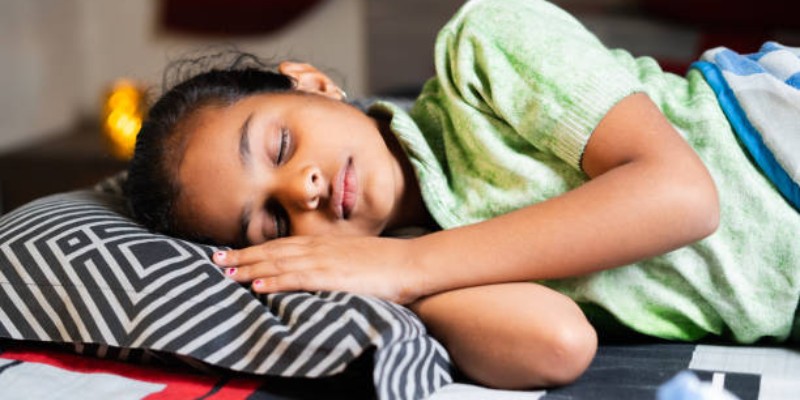
Sleep is more than a child's rest, it's when the child's body grows and the child's immune system becomes more resilient. When a child does not get adequate quality sleep, the child is at a physical growth deficit for height and weight, as well as for building immunity.
There are certain stages in sleep when growth hormones are in abundance in the bloodstream and immune cells are doubling in numbers and learning to protect against infections. This simply won't happen if kids are up and about.
The Growth Hormone Connection During Sleep
Growth hormone doesn't release steadily throughout the day. Instead, the pituitary gland releases roughly 80% of growth hormone during deep sleep stages, particularly in the first few hours after falling asleep. But this timing is not arbitrary; it occurs when cell division and repairs are most efficient.
When kids enter slow-wave sleep, their body transitions to the construction stage. Protein production increases to enable the formation of muscle fibers and development of bones. The spinal cord increases in length as cell divisions occur between the bones. The brain also develops, with new neural pathways being formed to aid learning and memory.
Physical Development Tied to Sleep Stages
Stage 3 is the deepest stage, which releases the highest amount of growth hormones. If children fail to achieve stage 3 because their sleep is disturbed, it will be evident that they develop differently. Studies involving many children demonstrated that kids not getting the recommended amount of sleep were shorter and lighter than others.
The effects are not limited to the immediate results of measurement. Lack of sleep during childhood can lead to delayed puberty by months or even years. In boys, the production of testosterone may be slow, and girls may experience a delay in the onset of the breasts and menses. These are not just slight differences but are serious signs that can affect the future.
How Sleep Builds Immune Strength
Your child's immune system does its most important work at night. T-cells, the white blood cells that identify and destroy infected cells, multiply rapidly during sleep. Simultaneously, the body produces cytokines, proteins that coordinate immune responses and fight inflammation.
Sleep deprivation cuts cytokine production dramatically. Studies measuring immune markers in sleep-deprived children found 50% reductions in some protective proteins. This isn't theoretical, it translates directly to more frequent colds, longer-lasting infections, and slower recovery times.
Antibody Formation and Immune Memory
When children receive vaccines, their immune systems must "learn" to recognize threats. This learning happens most effectively during sleep. Children who slept normally after vaccination produced nearly twice as many antibodies as those who stayed awake or slept poorly.
The immune system also uses sleep to catalog past infections, creating memory cells that provide faster responses to future encounters with the same pathogen. Without adequate sleep, this memory formation weakens. Kids end up catching the same illnesses repeatedly instead of building lasting immunity.
Long-term immune programming occurs during childhood. Poor sleep patterns established early can create immune weaknesses that persist into adulthood. Adults who experienced chronic sleep deprivation as children show higher rates of autoimmune conditions and allergies decades later.
Age-Specific Sleep Needs for Optimal Development
Newborns
Newborns require 14 to 17 hours daily, split between day and night. This excessive sleep supports explosive growth, babies typically triple their birth weight within the first year. Their brains develop faster than any other life stage, requiring extended periods of REM sleep for neural pathway formation.
Toddlers and Preschoolers
Ages one through five need 11 to 14 hours, including naps. This period marks crucial immune system maturation. Children's bodies learn to distinguish between harmless substances and genuine threats, developing tolerance that prevents allergies and autoimmune responses.
Sleep disruption during these years correlates with higher asthma rates, food allergies, and eczema. The immune system, still learning its job, makes more mistakes when sleep-deprived, sometimes attacking the body's own tissues or overreacting to harmless proteins.

School-Age Children
Six to twelve-year-olds need nine to twelve hours nightly. Many don't get it. Early school start times, homework, and screen time push bedtimes later while wake times stay fixed. The resulting sleep debt accumulates, creating what researchers call "social jetlag", a constant misalignment between biological and social schedules.
Growth velocity slows during these years compared to infancy, but steady development continues. Children add roughly two to three inches in height annually. Those consistently sleeping less than nine hours show reduced growth rates and may end up shorter than their genetic potential would otherwise allow.
Teenagers and Continued Development
Adolescents need eight to ten hours of sleep, though natural shifts in their body clock make early bedtimes harder. Sleep supports puberty: testosterone and estrogen peak during deep sleep, which is essential for sexual development.
Teens getting less than seven hours may show delayed puberty, girls may start menstruation later, and boys may experience slower voice deepening and facial hair growth.
Sleep also drives bone growth, as growth hormone is released mainly during deep sleep. Consistent, sufficient sleep is crucial for physical development, mood regulation, and long-term health.
Creating Sleep Conditions That Maximize Growth and Immunity
Room temperature affects sleep quality more than most parents realize. The ideal range sits between 65 and 68 degrees Fahrenheit. Bodies need to cool slightly to enter deep sleep stages where growth hormone release peaks. Overheated rooms prevent this temperature drop, keeping children in lighter sleep phases.
Light Exposure Management
Complete darkness triggers melatonin production, the hormone that initiates sleep. Even small amounts of light from electronics or streetlights suppress melatonin, delaying sleep onset and reducing total sleep time. Blackout curtains or eye masks help, but eliminating light-emitting devices proves more effective.
Blue light from screens poses particular problems. It mimics daylight, telling the brain to stay alert. Stopping all screen use two hours before bedtime allows melatonin levels to rise naturally. For families where this seems impossible, blue-light-blocking glasses provide partial protection, though eliminating screens works better.
Consistent Sleep Schedules
Bodies run on circadian rhythms, internal clocks that regulate countless biological processes. Consistent sleep and wake times synchronize these rhythms, improving sleep quality and optimizing hormone release patterns. Weekend schedule variations disrupt this synchronization, creating effects similar to mild jetlag.
Children thrive on predictability. Establishing fixed bedtimes and wake times, even on non-school days, reinforces healthy sleep patterns. The first week feels restrictive, but after two weeks, bodies adapt and bedtime becomes easier.
Nutrition Timing and Sleep Quality
Heavy meals within three hours of bedtime impair sleep quality. Digestion increases core body temperature and metabolic activity, both working against the physiological changes needed for deep sleep. Light snacks prove fine, but full dinners should finish by early evening.
Calcium and magnesium support sleep. Dairy products, leafy greens, and nuts contain both minerals. Small bedtime snacks incorporating these foods may improve sleep onset. Avoid sugar though, it causes blood sugar spikes that can trigger middle-of-the-night waking.
Exercise Benefits and Timing
Physical activity improves sleep quality by increasing sleep pressure, the biological drive to sleep. Children who exercise regularly fall asleep faster and spend more time in deep sleep stages. However, vigorous exercise within two hours of bedtime can have the opposite effect, raising body temperature and alertness.
Morning and afternoon exercise provides optimal benefits. Even 30 minutes of active play daily makes measurable differences in sleep quality. Walking to school, playground time, or organized sports all count.
Bedtime Routines That Signal Sleep Time
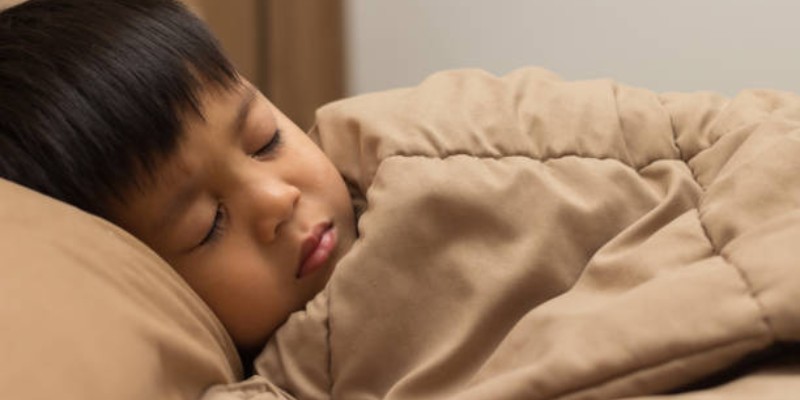
Predictable pre-sleep routines cue the brain that sleep approaches. Simple activities like bathing, brushing teeth, and reading create associations with sleep. The routine itself matters less than consistency; performing the same sequence nightly trains the body to prepare for rest.
Bath Time Benefits
Warm baths one to two hours before bed facilitate sleep through temperature manipulation. Warm water raises body temperature temporarily. After exiting the bath, core temperature drops, mimicking the natural temperature decline that accompanies sleep onset. This artificial trigger helps children fall asleep faster.
Reading together provides another powerful sleep cue. It creates positive associations with bedtime while avoiding stimulating screen content. Choose calm stories rather than exciting adventures. The goal is relaxation, not engagement.
Recognizing and Addressing Sleep Problems
Snoring affects roughly 10% of children and often indicates obstructed breathing. While occasional snoring seems harmless, persistent snoring can signal sleep apnea, where breathing repeatedly stops and starts during sleep. This prevents deep sleep and reduces growth hormone release.
Common Sleep Disruptors
Anxiety and stress disrupt children's sleep just as they do adults. School pressures, social concerns, and family changes can all manifest as sleep difficulties. Children may not articulate these worries, instead showing resistance to bedtime or frequent night waking.
Creating space for daytime worry discussions helps separate concerns from sleep time. Some families use "worry boxes" where children write concerns to address the next day, mentally setting them aside for the night.
Building Healthy Sleep as a Family Priority
Parents’ sleep habits shape children’s routines. Families that make sleep a priority together see better results than those enforcing rules only on kids. If adults stay up late on devices, children learn that sleep isn’t important.
Model healthy habits: set electronics curfews and charge all devices in a common area overnight. This shows that sleep rules apply to everyone.
Benefits appear fast: better moods, improved focus at school, and fewer illnesses within weeks. Long-term, consistent quality sleep supports growth, immunity, and overall health. Every extra hour of sleep is an investment in your child’s development and well-being.
Sources

Kids
How to Know If Your Child’s Autism Evaluation Is Done Right
March 20, 2026

Pregnancy
Safe Exercises That Support a Healthy Pregnancy: Your Complete Guide
December 28, 2025

Family lifes
Understanding the Concept of Helicopter Parenting
October 6, 2025

Family lifes
Which Parenting Style Is Most Encouraged in Modern America
September 27, 2025