How to Know If Your Child’s Autism Evaluation Is Done Right
Kids|March 20, 2026Why Bamboo and Food-Grade Silicone Are Replacing Plastic Baby Gear
Baby|March 20, 2026How Sleep Affects Child Growth and Immunity: A Parent’s Guide
Kids|February 7, 2026High-Protein Foods to Support Your Baby's Brain Development
Pregnancy|January 6, 2026Safe Exercises That Support a Healthy Pregnancy: Your Complete Guide
Pregnancy|December 28, 2025Safe Baby Sleeping Positions to Reduce Risk of SIDS
Baby|October 4, 2025Stress-Free Family Vacation Ideas You Can Trust: Insider Tips Included
Every parent has been through this conversation. “Where are we going this year for the holidays?” your kids ask. And you become the project manager of fun, safety, budgets, and memories. Finding the best vacations in America for families should be easy and fun with so much information available online.
Today’s travel choices are endless. Nobody wants to spend thousands only to hear “I’m bored” on day two. Here is a guide that gives you some great options based on what families actually enjoy right now.
1. Orlando, Florida
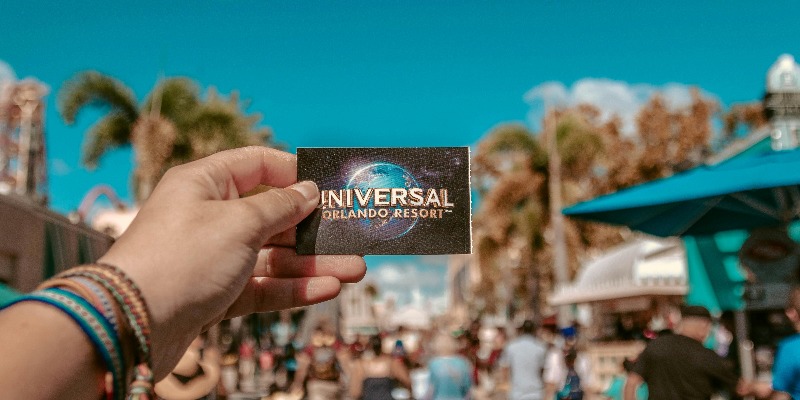
If you are looking for the absolute best vacation spots in the U.S. for families, Orlando continues to top the list. There is Disney, Universal, SeaWorld, endless hotels, and loads of family restaurants. There are travel apps that actually help.
Because everything is designed around children. Clean shuttles. Meal plans. Kid-friendly shows. You can also customize the trip based on age, like preschool magic, teen thrills, or even just resort chill time.
What to Do With Your Kids
Toddlers & Early Childhood (Ages 2-6):
Easy rides, character meet-and-greets in Magic Kingdom; slow animal trails in Animal Kingdom; splash pads and shallow areas in Volcano Bay.
Elementary (Ages 7-12):
Big roller coasters in Islands of Adventure, Harry Potter rides, water slides, interactive shows.
Teens & Tweens (Ages 13-17):
Thrill rides like Hagrid’s Motorbike Adventure, Incredible Hulk Coaster, and VelociCoaster. Let them lead pacing sometimes, it boosts engagement.
Where to Stay (Not Just Cheap)
Disney Resorts: Disney’s Art of Animation or Port Orleans Riverside, kids enjoy themed rooms and free park transport.
Universal Partner Hotels: Loews Royal Pacific, Hard Rock Hotel, Cabana Bay Beach Resort - some packages include Express Pass add-ons for skip-the-line perks.
Vacation Rentals: Larger condos or villas near parks (good for food prep, quiet evenings).
Value Options: Hotels on International Drive with free breakfast and shuttle access (helps stretch budget).
Getting Around & Transport
Airport to Hotel: Shared shuttles or ride-share $25-$45 from MCO to hotel.
Within Orlando:
Free hotel shuttles to parks (some hotels).
International Drive I-Ride Trolley ~$2 per ride, cheap way to move around.
Ride-share for short hops often cheaper than rental car if you’re using hotel shuttles.
Budget Breakdown
Theme Park Tickets: Disney ~$109-$189 adult / ~$104-$179 child per day; Universal similar.
Food: $50-$70 per person daily if packing snacks and eating off-site lunch; $100+ if eating inside parks.
Hotel: Value hotels $90-$180/night; family condos or on-site $200-$400+ depending on season.
Transport: Shuttles or trolley $0-$10/day; rideshares ~$10-$40 per short trip.
Park Add-Ons: Skip-the-line (Genie+, Express), character meals, souvenirs add $100-$300+ per day if you let kids lead.

2. San Diego, California
If you want a family vacation where the weather is almost always on your side, San Diego is a standout choice. It offers a relaxed, beach-focused alternative to Orlando’s theme-park intensity, with walkable neighborhoods and kid-friendly activities.
What to Do With Your Kids
Toddlers & Early Childhood (Ages 2-6)
The San Diego Zoo is excellent for young kids because the exhibits are stroller-friendly and heavily shaded. The Skyfari aerial tram and guided bus tour make exploring the large park easier.
Visiting the La Jolla Tide Pools during low tide lets kids spot sea stars, small crabs, sea anemones, and tiny fish in shallow pools along the rocks.
Elementary (Ages 7-12)
Mission Beach is a highlight at this age. Nearby Belmont Park has small rides, arcades, and the historic Giant Dipper wooden roller coaster.
The USS Midway Museum offers hands-on exhibits and flight simulators that engage kids longer than traditional museums.
Current ticket price (approx.):
Adult: about $39
Youth (4-12): about $29
Teens & Tweens (Ages 13-17)
Older kids enjoy more active experiences. Surf lessons at Mission Beach and guided kayaking tours around La Jolla Cove let teens explore marine life and sea caves.
Snorkeling can reveal the bright orange Garibaldi, California’s state marine fish. Teens also spend more time exploring the flight deck and aviation exhibits at the USS Midway Museum.
Where to Stay (Not Just Cheap)
Beachfront hotels such as La Jolla Shores Hotel place families steps from one of the calmest beaches in the area - ideal for younger swimmers.
Mission Beach Rentals
Beachfront condos are common here. Many include kitchens, multiple bedrooms, and direct beach access - a practical setup for families staying several days.
Downtown Hotels:
Staying near Gaslamp Quarter or Little Italy keeps you close to harbor attractions like the USS Midway Museum and waterfront parks.
Chains like Embassy Suites offer suites with included breakfast, convenient for families.
Budget Option:
Hotels in Mission Valley cost 25-40% less than beachfront areas while still along the trolley line, making downtown or Old Town easily accessible without driving.
Getting Around & Transport
Airport to Hotel
San Diego International Airport is extremely close to downtown - usually only 10-15 minutes by car.
Typical ride-share cost: $15-$30 depending on time and traffic.
Within the City
The San Diego Trolley connects several major visitor areas:
Downtown
Old Town San Diego
Mission Valley
Convention Center area
Beach neighborhoods usually require short Uber/Lyft rides.
If you plan to visit multiple beaches in one day, renting a car can be more convenient.
Budget Breakdown
Attractions
San Diego Zoo: about $78 adult / $68 child
USS Midway Museum: about $39 adult / $29 youth
Food
$45-$70 per person daily if mixing casual restaurants and groceries.
Hotel
$160-$320 per night depending on location and season.
Transport
$10-$40 daily depending on trolley use or ride-share.
Daily Estimate
Roughly $250-$420 per day for a family trip including lodging, food, attractions, and basic transportation.
Ways to Save Money
Buy a multi-attraction pass such as San Diego CityPASS, which bundles major attractions like the zoo, SeaWorld, and LEGOLAND at a discounted combined price.
Alternate beach days with attraction days. Beaches and coastal parks are free and often become the most memorable part of the trip.
Buy zoo tickets online in advance and arrive at opening time to avoid the longest entry lines.
3. Yellowstone + Grand Teton
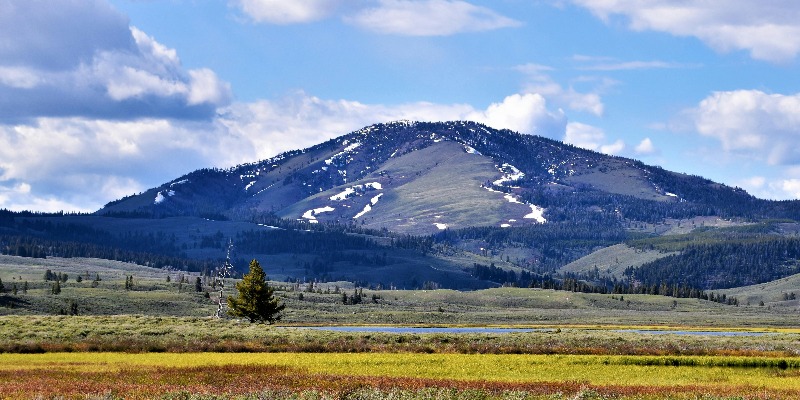
If your family wants real adventure and bonding time, few trips compare to visiting Yellowstone National Park and Grand Teton National Park together.
These neighboring parks combine geysers, roaming bison, mountain lakes, and surprisingly quiet trails once you step away from the main viewpoints. For many families, this becomes a screen-free, once-in-a-lifetime outdoor experience.
What to Do With Your Kids
Toddlers & Early Childhood (Ages 2-6):
The Old Faithful geyser area is one of the easiest places to explore with younger kids. The geothermal features are connected by safe wooden boardwalks, making the area stroller-friendly and easy to walk.
The famous Old Faithful eruption occurs roughly every 60-110 minutes, which keeps small children engaged without long waits.
In Grand Teton, the Jenny Lake shoreline offers calm picnic spots and short walking paths where toddlers can safely explore near the water.
Elementary (Ages 7-12):
Kids this age often love short hikes with big views.
One popular option is the Grand Prismatic Spring Overlook Trail, about 1.2 miles round-trip, which provides a spectacular view of the colorful hot spring.
Children also enjoy the Junior Ranger Program, where they complete activity booklets and earn an official park badge.
Both Yellowstone and Grand Teton offer their own activity booklets at visitor centers.
Teens & Tweens (Ages 13-17):
Older kids often prefer more active outdoor experiences.
Popular options include:
Hiking around Jenny Lake
Kayaking or canoeing on Jackson Lake
Wildlife spotting in Lamar Valley or Hayden Valley
These valleys are among the best wildlife-viewing areas in North America, with chances to see wolves, elk, bison, bears, and bald eagles.
Many families bring binoculars and turn wildlife spotting into a fun group challenge.
Where to Stay (Not Just Cheap)
Inside Yellowstone lodges, properties like Old Faithful Inn or Canyon Lodge place you close to major geothermal areas, helping avoid long morning drives.
In Grand Teton, Jackson Lake Lodge offers panoramic mountain views and convenient access to Jenny Lake.
Budget options include towns like West Yellowstone or Gardiner, where motels and cabins can be 30-40% cheaper than in-park lodging.
Cabin rentals near park entrances are also common and provide kitchens for easy family meals.
Getting Around & Transport
Closest Airports:
Jackson Hole Airport (JAC): Located inside Grand Teton National Park, about 10 minutes from the park entrance.
Bozeman Yellowstone International Airport (BZN) : About 1.5 hours from Yellowstone’s North Entrance.
Driving:
A rental car is strongly recommended.
Yellowstone alone covers more than 3,400 square miles, and major attractions are spread far apart.
Example driving times:
Old Faithful - Canyon Village: about 1.5 hours
Mammoth Hot Springs - Old Faithful: about 2 hours
Grand Teton - Old Faithful: about 2-2.5 hours
Traffic caused by wildlife sightings (“bison jams”) can add extra time.
Budget Breakdown
Park Entry: $35 per vehicle for a 7-day pass (covers both parks).
Food: $40-$70 per person daily depending on groceries vs lodge restaurants.
Hotel or Cabin: $120-$350 per night depending on season and location.
Gas & Transport: $20-$40 daily depending on driving distances.
Daily Estimate: about $120-$250 per day per person if staying outside park lodges and cooking some meals.
Ways to Save Money
Stay just outside park entrances and drive in early each day.
Buy an America the Beautiful National Parks Pass ($80) if visiting multiple parks in one year.
Pack picnic lunches - park restaurants can be crowded and expensive during peak hours.
Practical Family Tips
Start driving early in the morning. Wildlife like bison, elk, and bears are easiest to see around sunrise.
Always keep at least 25 yards from animals (100 yards for bears and wolves).
Bring layers, even in summer. Temperatures can swing 20-30°F within a day.
Short boardwalk trails around geysers make ideal mid-day breaks when kids need a rest from longer hikes.

4. Williamsburg, Virginia
If you want a trip that secretly educates your kids while they enjoy themselves, Williamsburg is one of the best vacation spots for families.
Colonial Williamsburg is essentially a living-history town, where kids can talk to costumed colonists, watch blacksmiths work, and walk through restored 18th-century streets.
Best Ages for Kids
Ages 5-8: Great for hands-on history. Kids enjoy watching blacksmith demonstrations, printing presses, and colonial cooking inside Colonial Williamsburg.
Ages 8-12: History becomes more meaningful. Guided tours, reenactments, and interactive exhibits at Jamestown Settlement work especially well for this age group.
Teens: Pair the history with thrill rides at Busch Gardens Williamsburg, which features major roller coasters, live entertainment, and seasonal festivals.
Typical Daily Budget (Family of 4)
Attractions: $130-$260/day
Colonial Williamsburg single-day admission is typically about $30-$35 for adults and about $9-$10 for youth when purchased online.
Busch Gardens Williamsburg single-day tickets use dynamic pricing, usually $55-$120 depending on the date and promotions.
Some combo passes also include Colonial Williamsburg + Busch Gardens + nearby historic sites for several days of access.
Food: $60-$110/day (casual restaurants, groceries, or park meals)
Transportation: $15-$40/day (parking or short local drives)
Hotel: $130-$230/night depending on season.
Estimated Total
$260-$420/day without hotel
$390-$650/day including hotel
How Families Save Money
Buy attraction tickets online in advance. Colonial Williamsburg offers online discounts of about 10% compared with gate prices.
Look for Historic Triangle passes that combine Jamestown, Williamsburg, and Yorktown sites.
Stay slightly outside the historic district. Many nearby hotels include park-ticket bundles or family packages.
Where Families Usually Stay
Great Wolf Lodge Williamsburg
Indoor water-park resort that kids love, especially for multi-day stays.
Williamsburg Lodge
A historic hotel located within walking distance of Colonial Williamsburg.
DoubleTree by Hilton Williamsburg
A good mid-range option close to Busch Gardens.
If you want fewer crowds and cheaper rooms, look at hotels along Richmond Road, about 10 minutes from the historic district.
Getting There
Nearest airport:
Norfolk International Airport - about 45-50 minutes away by car.
Train:
Amtrak serves Williamsburg from Washington DC and Richmond.
Driving:
Williamsburg sits along Interstate 64, making it an easy road-trip stop between Washington DC and Virginia Beach.
Within town, most families simply drive or use hotel shuttles. Parking is available near Colonial Williamsburg visitor areas and at Busch Gardens.
Parent Tips
Start early at Busch Gardens. Lines become longer after noon, so locals suggest riding major coasters first.
Midday shows or indoor museums are great cool-down breaks during the summer heat.
Bring water and comfortable shoes, Colonial Williamsburg’s historic district covers more than 300 acres, so families often walk several miles during a visit.
Restaurants inside theme parks can be expensive, so many families prefer eating dinner in town after leaving the park.
With the mix of American history, theme parks, and outdoor space, Williamsburg is one of those rare trips where kids learn a lot without realizing it.
5. Chicago, Illinois
Chicago is one of the best major U.S. cities for families. It’s scenic, easy to explore on foot, and packed with museums, parks, and lakefront attractions that work well for kids.
The main tourist areas around Millennium Park, Navy Pier, and the Museum Campus are especially convenient for family trips.
Best Ages for Kids
Ages 4-8
The Shedd Aquarium and Navy Pier are big hits with younger children.
At Navy Pier, kids enjoy the Centennial Wheel, the Chicago Children's Museum, and lakefront playground areas.
Ages 8-12
The Field Museum is often the highlight. Its famous Tyrannosaurus rex skeleton “SUE” is one of the largest and most complete ever discovered.
Chicago River architecture boat tours also work surprisingly well for this age group because the guides tell engaging stories about the city’s skyscrapers.
Teens
Add the Skydeck Chicago or the 360 Chicago Observation Deck for dramatic skyline views.
Typical Daily Budget (Family of 4)
Attractions: $110-$200/day
Shedd Aquarium tickets usually range $40-$50 for adults depending on the package and day.
Official ticket info:
Field Museum admission with major exhibits is typically $30-$45 for adults.
Families visiting several attractions often use Chicago CityPASS, which bundles multiple museums and observation decks and can reduce total ticket costs by up to about 40%.
Food: $75-$130/day (casual restaurants, pizza spots, and groceries)
Transportation: $15-$45/day (CTA trains, buses, or occasional rideshare)
Hotel: $160-$300/night depending on season and location.
Estimated Total
$240-$380/day without hotel
$400-$600/day including hotel
How Families Lower Costs
Use Chicago CityPASS if visiting multiple attractions.
Visit museums later in the afternoon, when crowds often shrink and kids are less rushed.
Consider staying slightly north of downtown in River North or Streeterville, where hotels can sometimes be cheaper than the core Loop district.
Where Families Stay
Embassy Suites by Hilton Chicago Downtown Magnificent Mile
Large suites and free breakfast make it very popular with families.
Swissôtel Chicago
Known for skyline and lake views and walking distance to Millennium Park.
Hyatt Place Chicago River North
Reliable mid-range option near restaurants and transit.
Getting Around
Chicago is one of the easiest large U.S. cities to visit without renting a car.
Airports
O'Hare International Airport
Midway International Airport
Both connect directly to downtown via the Chicago 'L' train system.
CTA transit maps and fares: https://www.transitchicago.com
Many major attractions sit along the lakefront or downtown, so families often walk between them.
Parent Tips
Visit Millennium Park early in the morning to see Cloud Gate (“The Bean”) without crowds.
The Chicago River architecture cruise is best around sunset, when the skyline lights up and temperatures cool.
Chicago weather changes quickly near Lake Michigan, so bring light jackets even in summer.
Many museums provide cafeterias, stroller parking, and indoor rest areas, which makes visits easier with younger kids.
Smart Tips for Stress-Free Family Travel
1. Pack layers & weather gear.
Orlando & San Diego: afternoon thunderstorms in summer are common; light rain jackets and quick-dry clothes help.
Yellowstone/Grand Teton: even summer nights can be cold; layers prevent early-morning chills on wildlife drives.
Chicago: lakefront winds can make sunny days feel chilly - always bring a light jacket.
2. Beat the crowds & long lines.
Orlando (theme parks):
Arrive 30-60 minutes before park opening - early ride times usually have 10-30 min waits instead of 60-90.
Use return time/Lightning Lane systems (Genie+ at Disney) on the busiest rides.
Midday breaks back at your hotel reduce lines and cranky kids during peak heat.
San Diego:
Visit San Diego Zoo and SeaWorld right at opening. Midday is hottest and busiest; spend afternoons at beaches or Balboa Park play areas.
For La Jolla tide pools, plan around low-tide schedules (morning/late afternoon) for best animal sightings with less crowding.
Yellowstone + Grand Teton:
Wildlife sightings create “bison jams.” Early morning (sunrise-9am) and late afternoon are most rewarding and least crowded.
Old Faithful boardwalks are busiest mid-day. Get there right before the predicted eruption time instead of mid-afternoon.
Williamsburg:
Colonial Williamsburg historic trades and demonstrations are most interactive before 10:30am.
Save Busch Gardens for weekday visits if possible; lines shrink significantly compared with weekends.
Chicago:
Millennium Park before 10am gets photos of Cloud Gate with few people.
River architecture cruises late afternoon have cooler temps and lighter crowds than noon.
Save Money Without Missing Fun
1. City/Attraction Passes.
Orlando & San Diego: Bundled tickets that include zoo + USS Midway/SeaWorld/LEGOLAND drop per-attraction prices.
Chicago CityPASS often saves 30-50% versus buying Shedd + Field + Skydeck separately.
Williamsburg historic passes bundle Colonial Williamsburg + Jamestown + Yorktown at deep discounts.
2. Public & Shared Transport.
Chicago & Williamsburg: Avoid rental cars; use CTA trains or walkable historic districts to save parking costs.
San Diego Trolley works well for downtown + Old Town + Mission Valley attractions (cheaper than multiple ride-shares).
3. Meals & Snacks.
Pack picnic lunches for national parks and city picnics (Millennium Park, Balboa Park).
Grocery store pickups (Target, Vons, Ralphs) near hotels save theme-park food costs.
In Orlando, many families dine dinner outside parks (Disney Springs, International Drive) where prices drop 30-50%.
How to Avoid Stress & Burnout
- Build easy days into the trip.
After long hikes in Yellowstone or busy theme park days in Orlando, plan a beach/park/rest day to reset energy.
- Recharge & Hydrate.
Portable phone chargers save stress when using mobile tickets/maps.
Refillable bottles are lifesavers, water stations are common at parks and museums.
- Anticipate weather shifts.
Yellowstone/Grand Teton: thunderstorms and quick temp drops are common, rain shells + fleece layers help.
Chicago near Lake Michigan often feels cooler than forecast; plan for wind and sun.
- Pack a “kid comfort kit.”
Wipes, small snacks, sun protection, and a few screen-free games keep waits and downtime calmer.
A Family Vacation Is a Memory, Not a Price Tag
You could be standing under Yellowstone’s steam clouds, watching your child meet Mickey, biking across Hilton Head, or wandering historic Williamsburg. No matter where you go, the best vacations in America for families are the ones that feel doable, joyful, and low-stress.
Every destination above gives you value, meaningful experiences, and real-world practicality, not wishful thinking.

Pregnancy
The Truth About Morning Sickness and How to Actually Survive It
February 17, 2026

Family lifes
How To Create A Morning Routine That Keeps Your Family Stress-Free
February 8, 2026

Pregnancy
5 Foods to Eat (and Avoid) During Pregnancy
October 12, 2025

Family lifes
Which Parenting Style Is Most Encouraged in Modern America
September 27, 2025