Baby Monitor With Pan Tilt Camera: Why You Need It And Top Models
Baby|March 16, 2026The Best and Safest Exercises During Pregnancy for Every Trimester
Pregnancy|February 20, 2026How Sleep Affects Child Growth and Immunity: A Parent’s Guide
Kids|February 7, 2026Best Math Apps for Kindergartners: Fun, Engaging, and Educational
Kids|October 22, 2025A Parent’s Guide to the Best Phone Plan for Kids
Kids|October 7, 2025What Is Parallel Parenting – A Guide for Families
Family lifes|October 6, 20257 Critical Signs Your Parenting Style Is Stressing Your Child Out
Every parent wants to raise happy, healthy children who thrive emotionally and academically. Yet many well-intentioned parenting approaches can inadvertently create chronic stress that affects a child's development, mental health, and overall well-being.
According to the 2025 psychological outlook reports, parenting stress has reached a critical tipping point, evolving into a significant public health concern. Recent data reveals that approximately 48% of parents now describe their daily stress as "completely overwhelming," a staggering increase compared to just 26% of non-parents.
When parents feel this level of intensity, children instinctively absorb that tension and react with their own behavioral and emotional challenges. Your approach to discipline, communication, and involvement directly shapes whether your child feels secure or anxious in your home.
Your Child Shows Persistent Anxiety and Fear
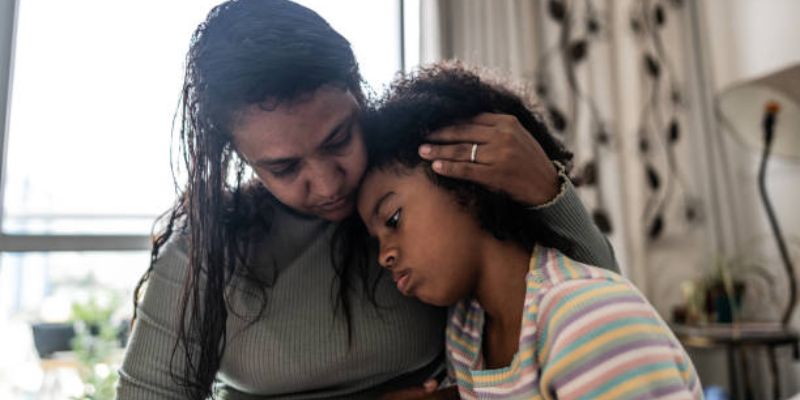
Children experiencing stress from parenting style often display heightened anxiety that goes beyond typical childhood worries. They may become clingy, cry excessively when separated from you, or express fear about situations that shouldn't provoke such strong reactions. These children frequently worry about disappointing you or making mistakes.
Watch for physical symptoms like stomach aches before school, difficulty sleeping, or complaints of headaches without medical causes. When your child constantly seeks reassurance or appears nervous around you, these behaviors signal that your parenting approach might be triggering anxiety rather than providing comfort and security.
Current research underscores that 41% of parents report being so stressed that they struggle to function, creating a bidirectional cycle where parental exhaustion leads to harsher discipline. Children then react with increased anxiety, which further elevates parental stress. Breaking this cycle requires recognizing how your emotional state and reactions contribute to your child's fearful behavior.
Behavioral Problems Keep Escalating
Increased behavioral issues often emerge as children attempt to cope with stressful parenting environments. You might notice more frequent tantrums, defiance, aggression toward siblings, or sudden changes in behavior at home or school. These acting-out behaviors represent your child's struggle to manage overwhelming emotions that they haven't been taught to process.
Children raised with authoritarian parenting styles that emphasize strict control and harsh punishment frequently develop externalizing problems. When discipline feels unpredictable or disproportionate to their actions, children experience confusion and stress that manifests as behavioral challenges. They may withdraw socially or demonstrate hyperactivity as stress responses.
The relationship between parenting stress and child behavior problems operates like a cycle. When children act out, parents experience heightened stress and may react with harsher discipline. This parental reaction then influences future behavioral issues, creating a pattern that becomes increasingly difficult to break without intervention.
Academic Performance Is Declining
Stressed children often struggle with concentration, memory, and learning. If your child's grades have dropped, they frequently forget homework, or teachers report attention problems, parenting stress might be affecting their cognitive development. The brain regions responsible for executive function become compromised under chronic stress.
Helicopter parenting particularly impacts academic outcomes. Research demonstrates that children with overly controlling parents who micromanage schoolwork and intervene in every academic challenge develop lower self-efficacy. By age 10, these children perform worse academically than peers whose parents provide appropriate autonomy.
Stressed parents typically have less time and energy for stimulating activities crucial for language acquisition, problem-solving skills, and memory function. When your stress translates into impatience with homework or excessive pressure for perfect grades, children develop test anxiety and fear of failure that undermines their natural learning curiosity.
Your Child Has Low Self-Esteem and Self-Worth
Children experiencing parenting stress frequently internalize messages that they're not good enough. Constant criticism, impossible expectations, or comparisons to siblings erode self-esteem over time. Your child might express negative self-talk, refuse to try new activities from fear of failure, or seem unable to accept compliments.
Helicopter parenting communicates a lack of confidence in your child's abilities. When you constantly step in to prevent any struggle or mistake, children internalize the message that they're incapable of handling challenges independently. This creates adults who question their abilities and lack confidence in their skills.
Evidence shows that manipulative parenting behaviors, including guilt-tripping and using affection as a bargaining tool, significantly damage self-worth. Children raised in these environments develop chronic self-doubt and perfectionism because they believe nothing they do measures up to parental expectations.
Emotional Regulation Has Become Difficult
Children struggling with parenting stress demonstrate poor emotional control. They might have meltdowns over minor frustrations, struggle to calm themselves down, or display extreme emotional reactions that seem disproportionate to situations. These children haven't developed healthy coping mechanisms because they haven't had opportunities to practice managing difficult feelings.
Studies tracking children from ages 2 to 10 found that those with more controlling parents were significantly less able to manage emotions and behavior. Their social skills suffered as direct consequences of limited emotional regulation abilities. Without space to experience and work through feelings, children remain emotionally immature.
When parents consistently dismiss, minimize, or punish emotional expressions, children learn their feelings don't matter. This emotional neglect teaches children to suppress emotions rather than process them healthily. Mental health professionals emphasize that parental stress directly affects how children learn to cope with their own emotions throughout life.
Social Skills Are Underdeveloped
Children under parenting stress often struggle to form and maintain friendships. They may appear socially withdrawn, have difficulty reading social cues, or experience conflict with peers. When home life feels unpredictable or stressful, children lack the emotional security needed to navigate social relationships confidently.
Overprotective parenting limits opportunities for children to develop social competence. If you constantly intervene in playground disputes, choose their friends, or prevent them from attending age-appropriate social activities, your child misses crucial practice in conflict resolution, empathy, and social problem-solving.
Research demonstrates that children experiencing parental stress show social withdrawal due to feelings of insecurity. They struggle with managing emotions in group settings and maintaining positive relationships because they haven't internalized healthy relationship models. These social difficulties often persist into adulthood, affecting romantic relationships and professional interactions.
Physical Health Complaints Increase
Chronic stress from parenting style manifests in physical symptoms. Your child might complain frequently of headaches, stomachaches, or general fatigue without identifiable medical causes. Stress affects the immune system, making children more susceptible to colds, flu, and other illnesses.
Sleep disturbances represent another physical indicator of parenting stress. Children may resist bedtime, experience nightmares, or wake frequently during the night. When bedtime feels like a battleground or children fear disappointing you, their stress hormones remain elevated, preventing restful sleep crucial for development.
Some children develop stress-related conditions like eczema flare-ups or digestive issues. The mind-body connection in children is particularly strong, and emotional stress directly impacts physical well-being. If your child's pediatrician has ruled out medical causes for recurring physical complaints, parenting stress deserves consideration as a contributing factor.

Different Parenting Styles That Cause Stress
Authoritarian Parenting
Authoritarian parenting, characterized by strict rules, harsh punishment, and limited warmth, creates significant childhood stress. Children raised this way experience moderately high levels of anxiety, depression, and social withdrawal. They constantly worry about avoiding punishment rather than developing internal motivation and self-discipline.
Permissive Parenting
Permissive parenting on the opposite end also generates stress despite appearing relaxed. Without clear boundaries and consistent expectations, children feel insecure and develop anxiety about navigating the world. They struggle with self-control and may act out, seeking the structure their permissive parents haven't provided.
Helicopter Parenting
Helicopter parenting combines aspects of both styles with overprotection and excessive control. These parents hover constantly, preventing children from experiencing natural consequences or developing problem-solving abilities. Children of helicopter parents report higher stress, depression, and anxiety while struggling with basic independence skills.
The Impact of Parental Stress on Children
Your personal stress level profoundly affects your children's wellbeing even when you believe you're hiding it. Research from 2024 confirms that 41% of parents report feeling so stressed that they cannot function most days. This parental stress transmits directly to children who pick up on tension and worry in response.
When parents experience chronic stress, they become less patient, more reactive, and harsher with discipline than usual. This inconsistency confuses children who never know which version of you they'll encounter. Studies indicate that parental negative affect perpetuates negative emotions in children's lives, particularly impacting those already facing financial or social adversity.
Life stress specifically shows strong correlations with negative parenting behaviors. Parents dealing with financial worries, work demands, or relationship problems demonstrate decreased involvement with children and increased negative affect during interactions. Your children become collateral damage of stress you're experiencing from sources beyond parenting itself.
Recognizing Toxic Parenting Patterns
Toxic parenting involves consistent patterns of harmful behaviors that damage children's emotional and psychological development. These patterns include manipulation through guilt, constant criticism that undermines self-worth, emotional neglect, and failure to respect boundaries. Unlike occasional parenting mistakes everyone makes, toxic patterns persist despite their harmful effects.
Blaming children for adult problems represents a particularly damaging, toxic behavior. When you make your child feel responsible for your marital issues, financial stress, or personal unhappiness, you burden them with guilt and responsibility beyond their developmental capacity. This creates lasting psychological damage.
Emotional abuse, including stonewalling, giving silent treatment for days, or using sarcasm to belittle your child, causes profound harm. Verbal abuse through constant yelling, name-calling, and harsh criticism damages self-esteem and creates fear-based relationships. Children in these environments develop mental health problems, trust issues, and relationship difficulties lasting into adulthood.
How Stress Affects Child Development
It Affects Brain Development
Chronic parenting stress alters brain development in measurable ways. Neuroimaging studies show that toxic stress changes brain areas, including the amygdala and hippocampus, which control emotional regulation and memory. These alterations affect how children process emotions and learn throughout their lives.
It Affects Cognitive Development
Cognitive development suffers when children experience sustained stress. Their brains remain in hypervigilant states, making concentration on learning tasks difficult. Memory function becomes impaired, and executive function skills like planning, organization, and problem-solving develop more slowly than in children from lower-stress environments.
It Affects Social-Emotional Development
Social-emotional development represents another casualty of parenting stress. Children need secure attachments and emotionally available parents to develop healthy self-concepts and relationship skills. When parenting stress disrupts these foundational needs, children struggle forming secure attachments, experience attachment disorders, and carry relationship difficulties throughout life.
Breaking the Stress Cycle in Your Family
Self-Assessment
Addressing parenting stress begins with honest self-assessment. Acknowledge when your stress, anxiety, or frustration drives your parenting choices rather than your child's actual needs. Recognizing patterns represents the crucial first step toward change that benefits your entire family.
Develop Stress Management Techniques
Develop stress management strategies that work for you personally. Exercise, mindfulness meditation, adequate sleep, and maintaining social connections all reduce parental stress effectively. When you manage your own stress better, you naturally become more patient, consistent, and emotionally available for your children.
Seek Support
Seek support through parenting education, therapy, or community resources. Many parents benefit from learning child development principles, age-appropriate expectations, and positive discipline techniques. Support groups connect you with others facing similar challenges, reducing the isolation that intensifies parenting stress.
Creating a Healthier Parenting Approach
Adopt an Authoritative Parenting Style With Clear Boundaries
Shift toward authoritative parenting that balances warmth with appropriate boundaries. This style provides children with the structure they need while respecting their growing autonomy. Set clear, consistent expectations while remaining emotionally responsive to your child's needs and feelings.
Validate Your Child’s Emotions Before Correcting Behavior
Practice emotional validation even when you disagree with your child's behavior. Acknowledge their feelings before addressing inappropriate actions. This teaches children that their emotions are acceptable while helping them learn appropriate behavioral expression. Simple statements like acknowledging frustration while redirecting behavior make significant differences.
Encourage Independence Through Natural Consequences
Allow age-appropriate independence and natural consequences. Let your child make mistakes and experience minor failures while you provide support. This builds problem-solving skills, resilience, and self-efficacy that helicopter parenting prevents. Children learn best through experience combined with loving guidance rather than constant parental intervention.

Teaching Children Healthy Stress Management
Model Healthy Coping Skills Through Everyday Behavior
Model healthy coping strategies so your children learn by observation. Talk about your feelings and demonstrate appropriate ways to handle stress, frustration, and disappointment. When children see you taking walks to decompress or practicing deep breathing during stress, they internalize these techniques.
Help Children Build Personal Coping Strategies
Create opportunities for your child to develop their own coping strategies. Encourage physical activity, creative expression through art or music, journaling, or other healthy outlets for emotional processing. Help them identify what works for their unique personality and stress triggers.
Keep Communication Open and Emotionally Safe
Maintain open communication where your child feels safe expressing concerns without judgment or punishment. Regular check-ins about their emotional state normalize discussing feelings and stress. This ongoing dialogue helps you identify when your parenting approach needs adjustment before small stressors become major problems.
When to Seek Professional Help
Consider professional support if your child's stress symptoms persist despite your efforts to reduce them. Therapists specializing in children and families can assess whether your child has developed anxiety disorders, depression, or other mental health conditions requiring treatment beyond parenting changes alone.
Family therapy helps address systemic patterns contributing to stress in your home. A therapist can identify communication problems, boundary issues, or unresolved conflicts affecting everyone. This outside perspective often reveals blind spots you cannot see from within the family system.
Your own therapy provides space to address personal issues contributing to parenting stress. Unresolved trauma from your childhood, mental health conditions, relationship problems, or other stressors deserve professional attention. Improving your well-being directly benefits your children by allowing you to parent from a healthier emotional place.
Moving Forward With Compassion
Parenting represents one of life's most challenging responsibilities, and nobody does it perfectly. Recognizing signs that your approach stresses your child doesn't make you a bad parent—it makes you a caring one committed to growth and improvement. Self-compassion matters as you work toward healthier family dynamics.
Small changes accumulate into significant improvements over time. Focus on one area at a time rather than attempting to overhaul your entire parenting approach overnight. Celebrate progress even when setbacks occur, remembering that parenting is a journey of continuous learning and adjustment.
Your willingness to examine your parenting honestly and make necessary changes gives your child an invaluable gift. Children are remarkably resilient when parents acknowledge mistakes and work toward healthier patterns. By addressing these signs of parenting stress now, you create a foundation for your child's long-term emotional health and well-being.
Building Stronger Parent-Child Connections
Quality time strengthens parent-child bonds and reduces stress for everyone. Dedicate regular one-on-one time where your child leads activities and you follow their interests. This child-centered play communicates that you value them beyond their achievements or behavior.
Physical affection and verbal affirmations build security. Hugs, physical proximity, and words expressing unconditional love reassure stressed children. Make sure your child knows your love doesn't depend on perfect behavior, good grades, or meeting your expectations—you love them simply for who they are.
Consistent routines provide stability that reduces childhood stress. Predictable bedtimes, meal times, and daily rituals create security in an often unpredictable world. When children know what to expect, they feel safer and more able to handle challenges outside these stable routines.
Sources

Kids
Remote Pediatric Telehealth: A Smarter, Time‑Saving Option for Busy Parents
February 22, 2026

Pregnancy
Safe Caffeine Limits During Pregnancy: What You Can Actually Drink
December 30, 2025

Family lifes
How to Discipline Kids Without Fear or Punishment: A Complete Guide
October 20, 2025

Baby
How to Get Your Baby to Sleep Through the Night: Expert-Backed Tips
October 20, 2025