12 Proven Ways to Reduce Anxiety During Pregnancy
Pregnancy|January 16, 2026How To Choose A Convertible Car Seat That Fits In Small Vehicles
Baby|January 1, 2026Safe Caffeine Limits During Pregnancy: What You Can Actually Drink
Pregnancy|December 30, 2025Best Math Apps for Kindergartners: Fun, Engaging, and Educational
Kids|October 22, 20257 Early Signs Of Pregnancy You Might Miss
Pregnancy|October 14, 2025What Is Parallel Parenting – A Guide for Families
Family lifes|October 6, 2025How to Help Your Child Sleep Better Without a Nightly Fight
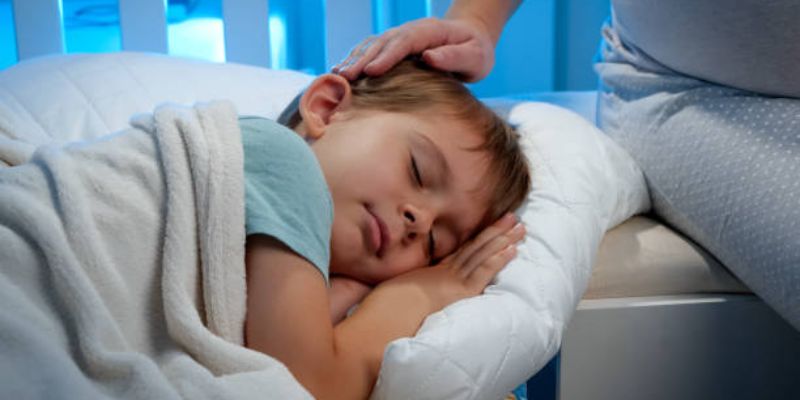
Bedtime should not feel like a negotiation. But for millions of parents, it does, every single night, complete with stalling tactics, meltdowns, and a child who somehow gets a second wind at 8:30 pm. It is exhausting in a way that is hard to describe.
The problem is rarely the child. It is almost always the setup. Sleep habits are built, not inherited, and the right adjustments can turn a nightly fight into something genuinely manageable.
Start With the Right Bedtime, Not Just Any Bedtime
Most parents are putting their children to bed too late. Sleep recommendations from the American Academy of Pediatrics are specific: toddlers aged 1 to 2 need 11 to 14 hours of sleep per day, children aged 3 to 5 need 10 to 13 hours, and school-age children aged 6 to 12 need 9 to 12 hours. Most children are falling short.
An overtired child does not fall asleep easily. Paradoxically, they become hyperactive, emotionally dysregulated, and harder to settle. If bedtime is a constant battle, moving it 30 minutes earlier, not later, is often the fix that surprises parents most.

Build a Routine That Is Predictable Enough to Signal Sleep
The brain learns through repetition. A consistent pre-sleep sequence, the same steps in the same order every night, tells the nervous system that sleep is coming. That signal is powerful, especially for young children whose bodies respond strongly to environmental cues.
A workable routine does not need to be elaborate. Bath, pajamas, teeth, one or two books, lights out. Twenty to thirty minutes total. The content matters less than the consistency. Children who know exactly what comes next stop fighting the process because it stops feeling like something being done to them.
Cut Screens at Least One Hour Before Bed
This is the recommendation that parents hear most and follow least, and the data behind it is genuinely compelling. Screens emit blue light that suppresses melatonin production, the hormone that makes falling asleep possible. In children, whose melatonin systems are more sensitive than those of adults, the effect is significant.
A study tracking school-age children found that those who used screens within one hour of bedtime took an average of 30 minutes longer to fall asleep and reported more nighttime waking than those who did not. Replacing screen time with reading, drawing, or quiet play in the final hour makes a measurable difference to children's sleep quality.
Make the Bedroom Environment Work for Sleep
The sleep environment does a lot of quiet work that parents often overlook. Temperature, light, and noise all affect how quickly children fall asleep and how well they stay asleep through the night.
The ideal room temperature for child sleep sits between 65 and 70 degrees Fahrenheit. Darkness matters too. Blackout curtains are one of the highest-return purchases a sleep-struggling family can make, particularly for children who wake with the sun or resist sleep in summer when it stays light longer. A basic pair from Amazon or IKEA runs between $20 and $40 and regularly gets praised by parents as genuinely transformative.
Use White Noise Strategically
White noise machines work because they mask the unpredictable sounds that pull children out of light sleep, such as a door closing, a television from another room, or outdoor traffic. The Hatch Rest is the most talked-about option among parents right now, and for good reason. It combines a white noise machine, a nightlight, and a toddler clock in one device, priced around $89.
The LectroFan Classic is a simpler, cheaper alternative at around $50 with no light function but strong, consistent sound options. Both are significantly better than phone apps playing through a speaker, which introduce light and notification risks. White noise is not a crutch. For many families, it is simply part of what makes a child sleep reliably.
Teach Your Child to Fall Asleep Independently
This is where a lot of bedtime battles originate. Children who need a parent present to fall asleep will need that same condition when they naturally wake at night, which every human does multiple times. The result is repeated night wakings that require parental intervention.
Teaching independent sleep does not require letting children cry indefinitely. The gradual retreat method, where a parent slowly moves their chair further from the bed over one to two weeks, works for many families without the distress of abrupt separation. The goal is a child who can return to sleep on their own, which also means longer, better quality child sleep for everyone.
Watch What They Eat and Drink in the Evening
Food timing affects child sleep more than most parents realize. Heavy meals within two hours of bedtime make it harder for the body to wind down. Sugar in the evening, even from fruit juice, can spike energy at exactly the wrong time.
Warm milk, a small banana, or a handful of whole-grain crackers are genuinely useful pre-sleep snacks because they support serotonin and melatonin production. The old advice about warm milk was not wrong. Caffeine is the other side of this: chocolate, some sodas, and certain teas contain enough caffeine to disrupt child sleep when consumed after 3 pm.
Address Anxiety That Masquerades as Stalling
Not every bedtime battle is about the child not being tired. Some children are genuinely anxious about the dark, about being alone, about what might happen while they sleep. That anxiety comes out as requests for water, more books, one more hug, or complaints about the room being too hot or too cold.
If stalling is accompanied by visible fear or consistent worry talk, the solution is not stricter limits. It is a brief, calm conversation before the routine starts, where the child can voice their worry and get reassurance.
A nightlight they choose themselves, or a "worry toy" they can squeeze if anxious, gives them agency that reduces the anxiety driving the stalling behavior.
Be Consistent Even When It Is Hard
Consistency in sleep routines is the single most referenced factor in pediatric sleep research when it comes to child sleep improvement. One late night can reset several days of progress, not because the child is being difficult, but because the brain's sleep timing system responds to patterns.
Weekends are where most routines collapse. A one-hour sleep-in on weekends is generally manageable. More than that starts to shift the child's internal clock, making Monday night harder and the whole week noisier. Parents who hold the routine on weekends consistently report that the nightly fight diminishes faster than those who take a two-day approach.
Let Them Have Some Control Within the Structure
Children resist bedtime partly because it is something imposed on them. Giving them small, genuine choices within the routine shifts that are dynamic without sacrificing structure. Two pajama options. Which book to read first?
Whether the nightlight is blue or orange. Whether the door is open or closed.
These feel minor, but they matter to a child. Autonomy reduces resistance. A child who chooses their pajamas and picks tonight's book feels like a participant in bedtime rather than a subject of it. That shift in feeling changes how they approach the whole routine over time.
Know When to Talk to a Pediatrician
Some children's sleep difficulties go beyond routine and environment. Loud snoring, gasping during sleep, bedwetting in older children, or persistent sleep terrors that occur multiple times per week are worth raising with a doctor. Pediatric sleep apnea is more common than many parents expect and significantly underdiagnosed.
Children with untreated sleep disorders are more likely to be misidentified as having behavioral or attention issues at school, because the symptoms of sleep deprivation in children look a lot like ADHD.
If behavioral strategies have been consistently applied for six to eight weeks without meaningful improvement, a conversation with a pediatrician is the right next step, not a sign that you have failed at bedtime.
Better Nights Are Built One Consistent Evening at a Time
Bedtime will not transform overnight. But within two to three weeks of consistent routine, appropriate timing, a sleep-supportive environment, and screens out of the picture, most families see real change. The nightly fight does not have to be permanent.
Pick the one adjustment that feels most achievable right now, whether that is moving bedtime earlier, getting blackout curtains, or committing to a screen-free final hour. Start there, hold it consistently for two weeks, and build from that foundation. Your child's sleep is fixable, and your evenings are worth reclaiming.
References
[1] American Academy of Pediatrics - https://www.aap.org
[2] Eunice Kennedy Shriver National Institute of Child Health and Human Development - https://www.nichd.nih.gov
[3] Sleep Foundation - https://www.sleepfoundation.org

Family lifes
How to Get Your Child Off Video Games Without Daily Arguments
February 28, 2026

Baby
How To Choose A Convertible Car Seat That Fits In Small Vehicles
January 1, 2026

Baby
Newborn Care Guide: What to Expect in Your Baby's First 30 Days
October 24, 2025

Baby
Useful Baby Care Tips Every First-Time Parent Should Know
September 28, 2025